Why a huge game can start to feel like a job
The urge to quit after many hours is often described as open-world fatigue: a loss of momentum that can set in when a game keeps offering more to do but stops making the next step feel worthwhile. It is not one single psychological diagnosis. Several familiar pressures can combine to produce it.
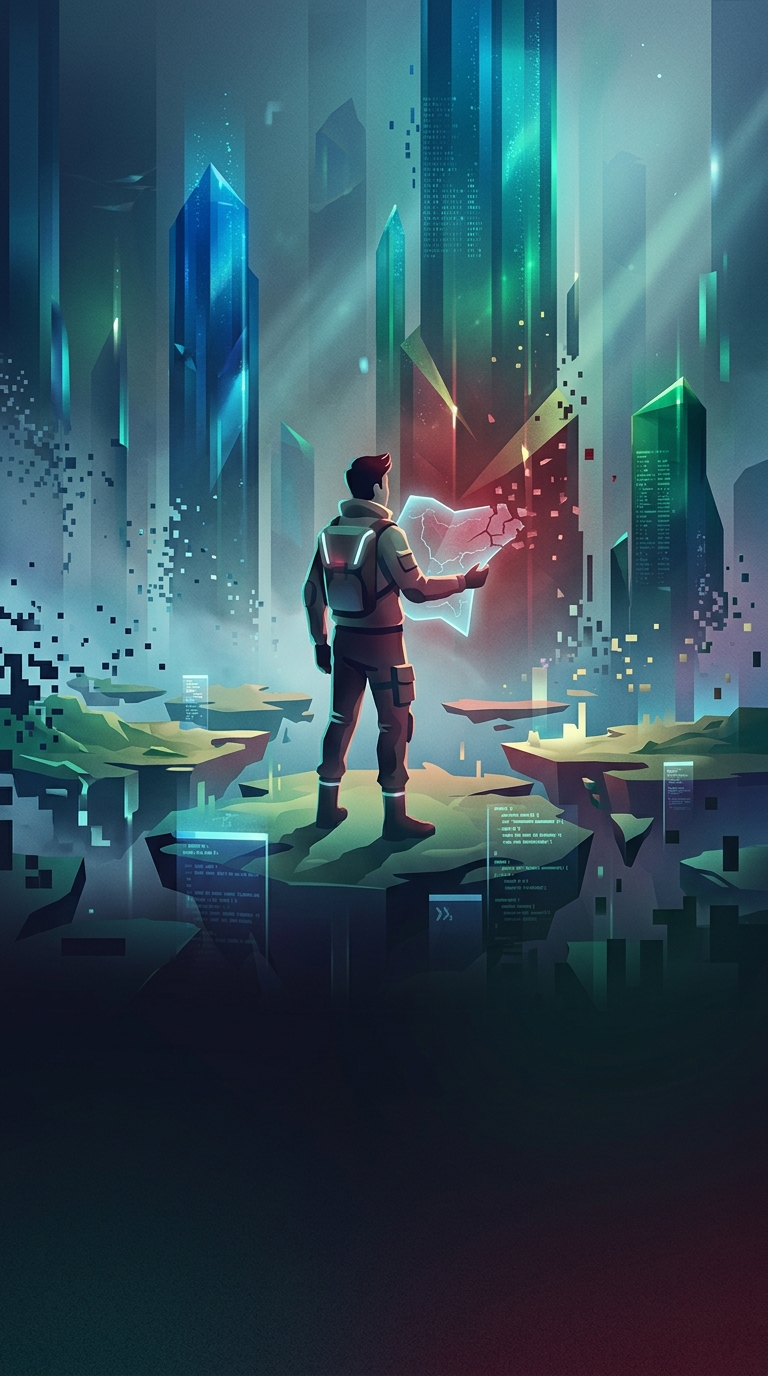
A sprawling map turns play into a steady stream of small decisions: follow the main story, clear a nearby marker, collect an upgrade, or head toward something unexplored. Each choice seems easy, but the game keeps asking for another. When the player has to supply their own priorities, the world’s freedom can become a burden rather than a pleasure. This resembles decision fatigue—not a literal depletion of a mental fuel tank, but the feeling of growing tired of repeatedly weighing options.
When progress stops feeling like progress
Open-world games often use rewards to make detours appealing: a new tool, a stronger character, a discovered location. Early on, those rewards can make the world feel full of possibility. Later, if upgrades arrive faster than the player can use them, or side activities repeat the same pattern, another marker on the map may promise little that feels new. The activity still takes time; its payoff feels smaller.
There can also be a tension between freedom and completionism. A player who wants to see everything may treat optional content as an obligation, even when the game does not require it. Hours invested can then make quitting feel wasteful, while the growing list of unfinished tasks makes continuing feel exhausting. That is a trap: past playtime cannot be recovered by forcing more play.
The shift can feel sudden because fatigue accumulates quietly. One more quest is manageable; after enough similar choices, the whole map can start to look like a checklist. A useful signal is whether the next activity sounds interesting on its own—or merely necessary because it is there.