A farm that ran on the player’s clock
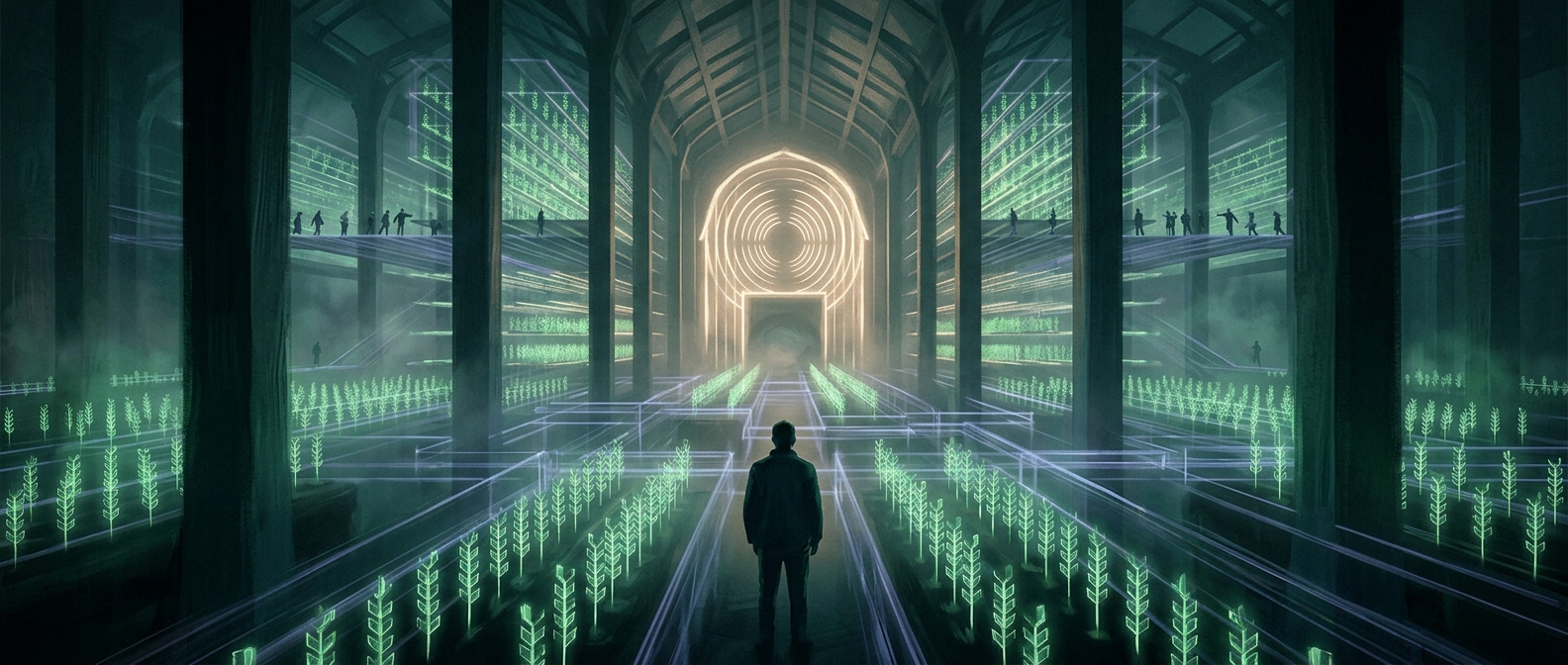
FarmVille turned waiting into part of the game. Planting a crop started a timer: come back when it was ready, harvest it, and choose what to plant next. Some crops could wither if left unattended too long, so a missed visit did not merely pause progress—it could erase the expected reward.
That is a form of operant conditioning: behavior is shaped by what follows it. Returning to harvest brought a payoff; staying away risked losing one. The cycle made checking in feel useful, while the possibility of withering made delay feel costly.
Why the farm felt personal
The pressure was not only about virtual crops. A farm was something players had built, so neglect could feel like letting their own work go to waste. Social features added another nudge: when play involved friends and shared attention, stepping away could feel like falling behind or letting others down.
Those feelings helped turn a short action—checking a crop—into a routine. The game did not need to demand a long session each time. It could make the player think about when to return, then offer a small task waiting at that moment.
The tradeoff behind the loop
Timers gave the farm a sense of activity even when the player was offline, but they also tied play to real schedules. A crop’s growth window could make a convenient check-in feel like an obligation. The central design move was to make absence consequential: the more a player cared about the farm, the more a missed visit could sting.