Travel Was Part of the World’s Content
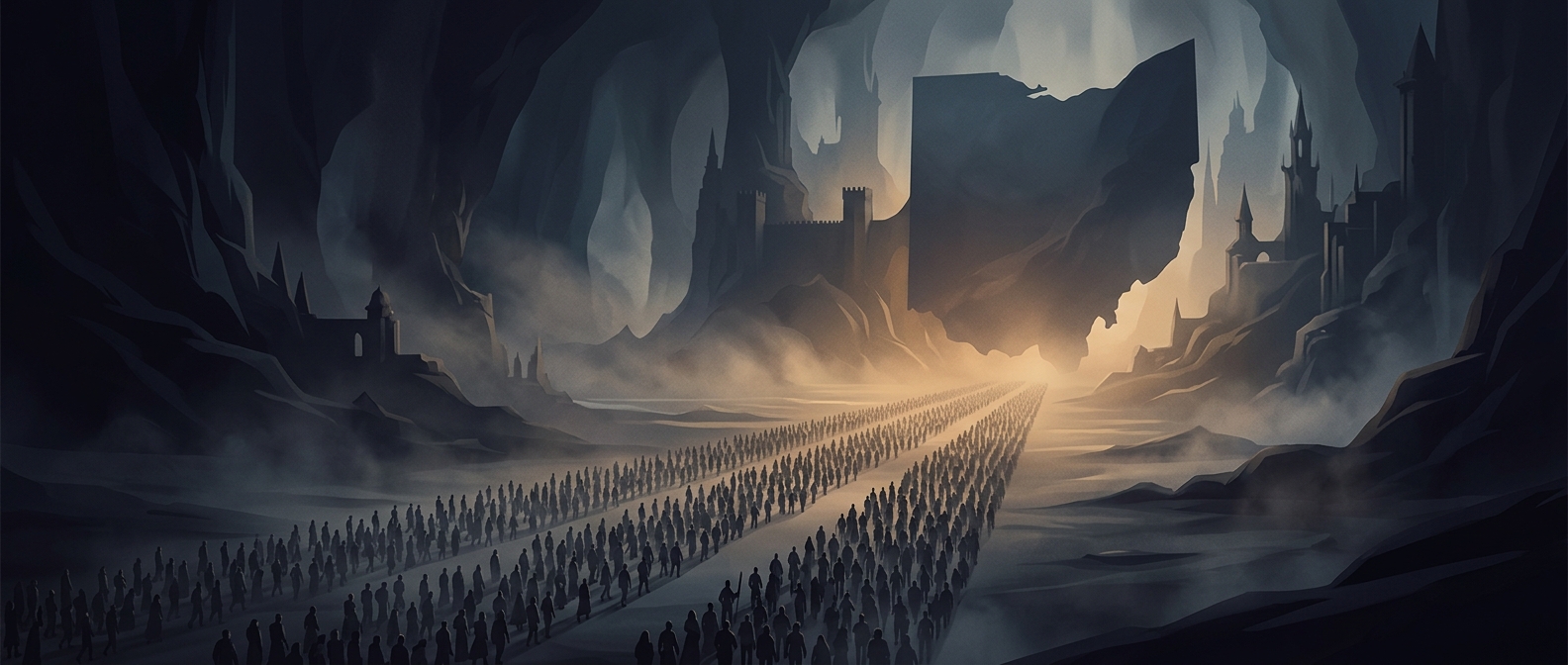
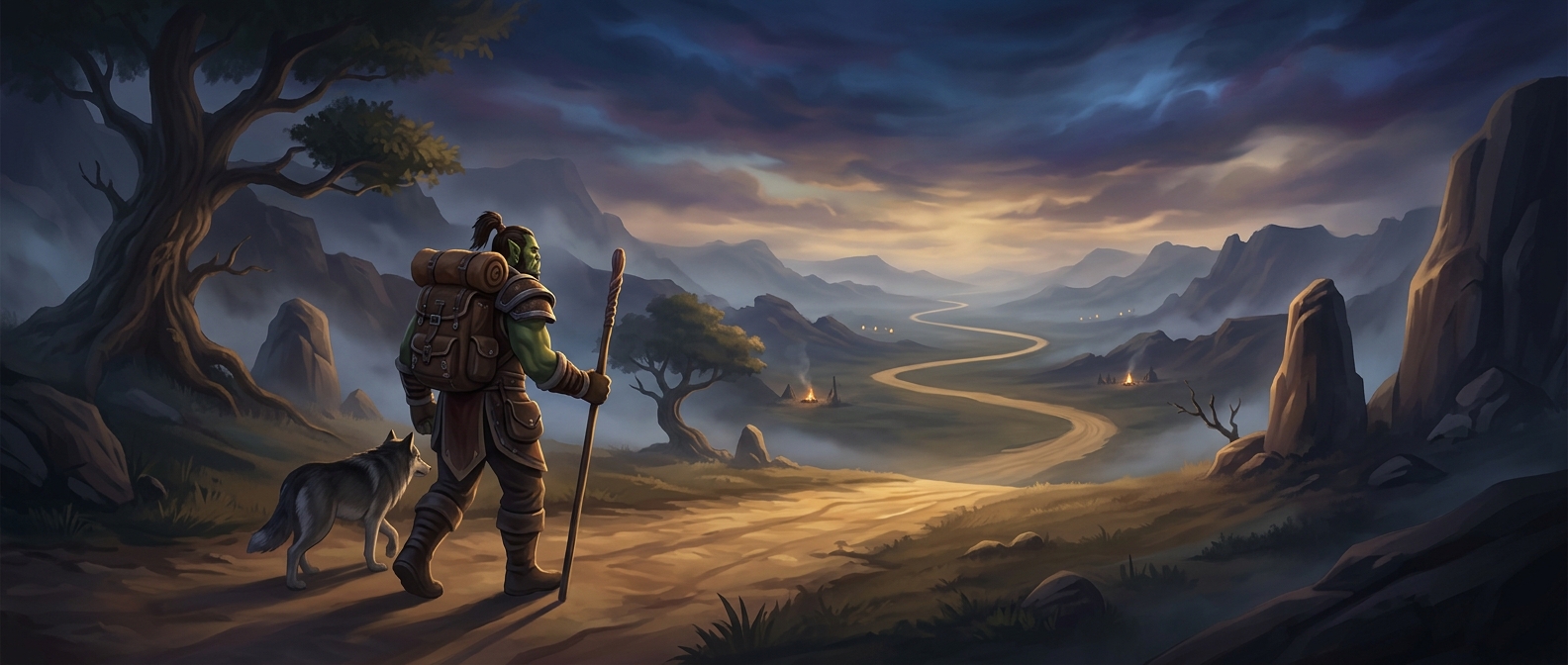
In World of Warcraft, reaching a quest could take long enough to become an activity of its own. A player might leave a town, follow a road across a broad stretch of terrain, pass through a dangerous area, and only then arrive at the objective. The journey made the world feel larger than a sequence of quest markers—and stretched the time between one authored task and the next.
Why Distance Could Be Cheaper Than More Quests
A new quest needs more than a patch of ground: it may require objectives, enemies, dialogue, rewards, and testing. A large landscape, by contrast, can be built from terrain, roads, and recognizable landmarks, then used to connect existing activities. That makes geography a relatively economical way to give players room to travel without filling every mile with a separate mission.
The empty stretches were therefore not necessarily accidental gaps. Distance could slow progress and make a destination feel earned, while giving the game’s world time to register as a place rather than a menu of tasks. In a subscription game, that pacing also meant players spent more time inside the world between milestones.
The Cost of Making Players Cross It
Travel had a tradeoff: it could create anticipation, but repeated journeys could feel like busywork. Mounts and routes such as flight paths made some trips faster, yet getting to the right route—or traveling to a new region—still made distance part of the player’s routine.
That is why a ride across apparently quiet countryside could matter. It was both a practical bridge between quests and a way of turning the map itself into playtime.