Why a Short Countdown Changes the Puzzle
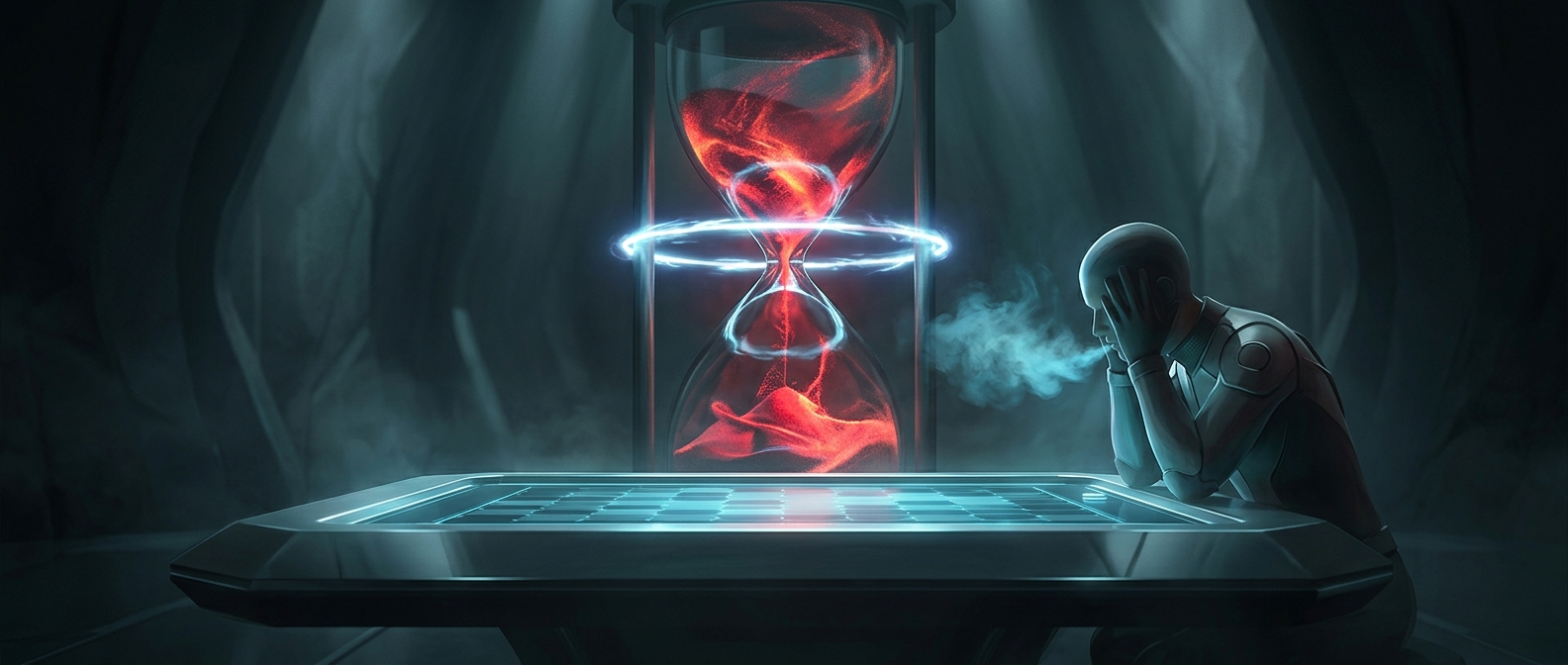
A 30-second turn timer does more than limit how long a player may think. It changes what the player has to think about. Alongside the problem itself, the player must track the shrinking clock and decide whether another moment of consideration is worth the risk of running out of time.
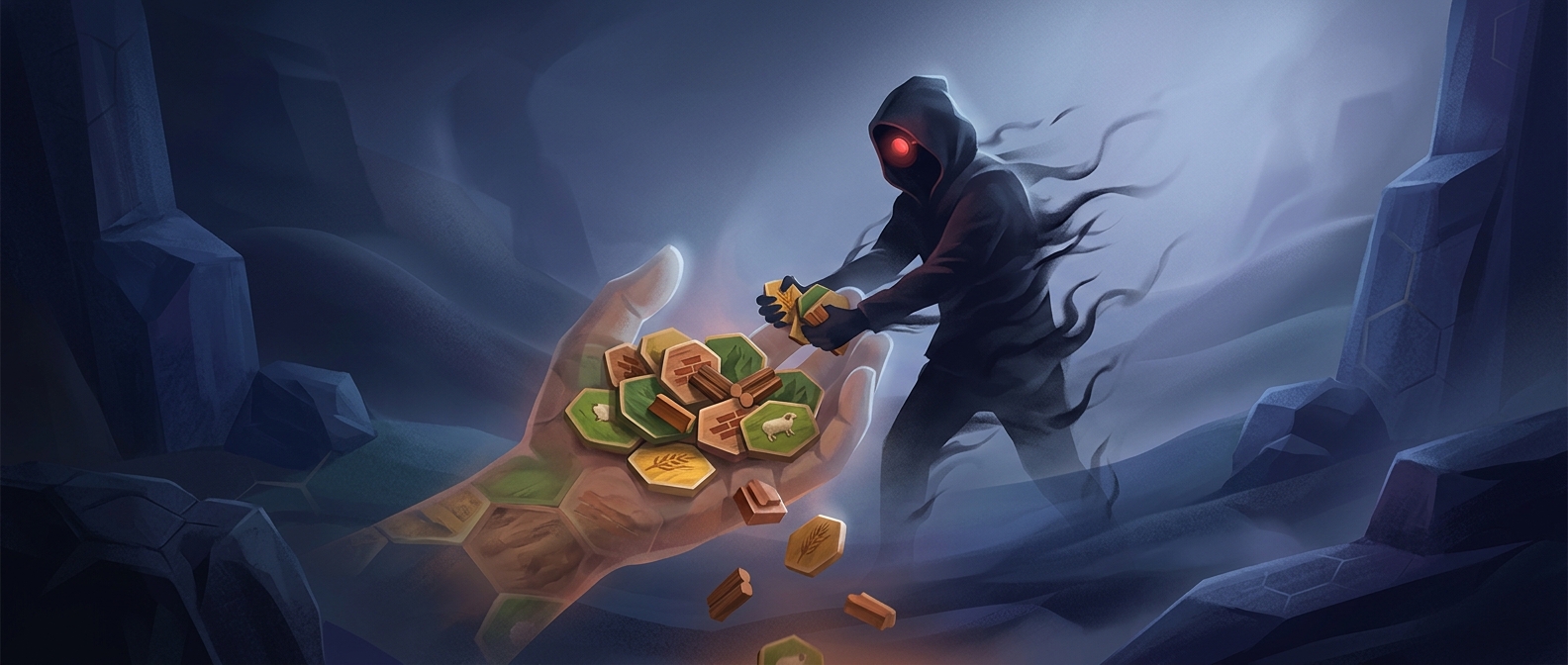
That extra demand can crowd out useful reasoning. Players may rush past a clue, overlook a safer option, or commit to the first answer that seems plausible. The mistake is not necessarily a lack of skill: the same player might notice the better move with more time to compare possibilities.
The Timer Is Part of the Challenge
For a designer, a short limit can make a familiar problem feel urgent without changing its rules. The deadline turns deliberation into a tradeoff: spend time checking an answer, or act before the opportunity disappears. A timer also keeps turns moving, which can make a game feel brisk—but it leaves less room for careful play.
The effect depends on the player and the situation. Some people respond to urgency by focusing; others become flustered, especially when a decision has several plausible answers. The clock does not guarantee panic, but it makes time pressure impossible to ignore.
That is why a seemingly small change—from an open-ended turn to 30 seconds—can alter the character of a game. Players are no longer solving only the problem on the screen or table. They are also solving the problem of how much thinking they can afford.