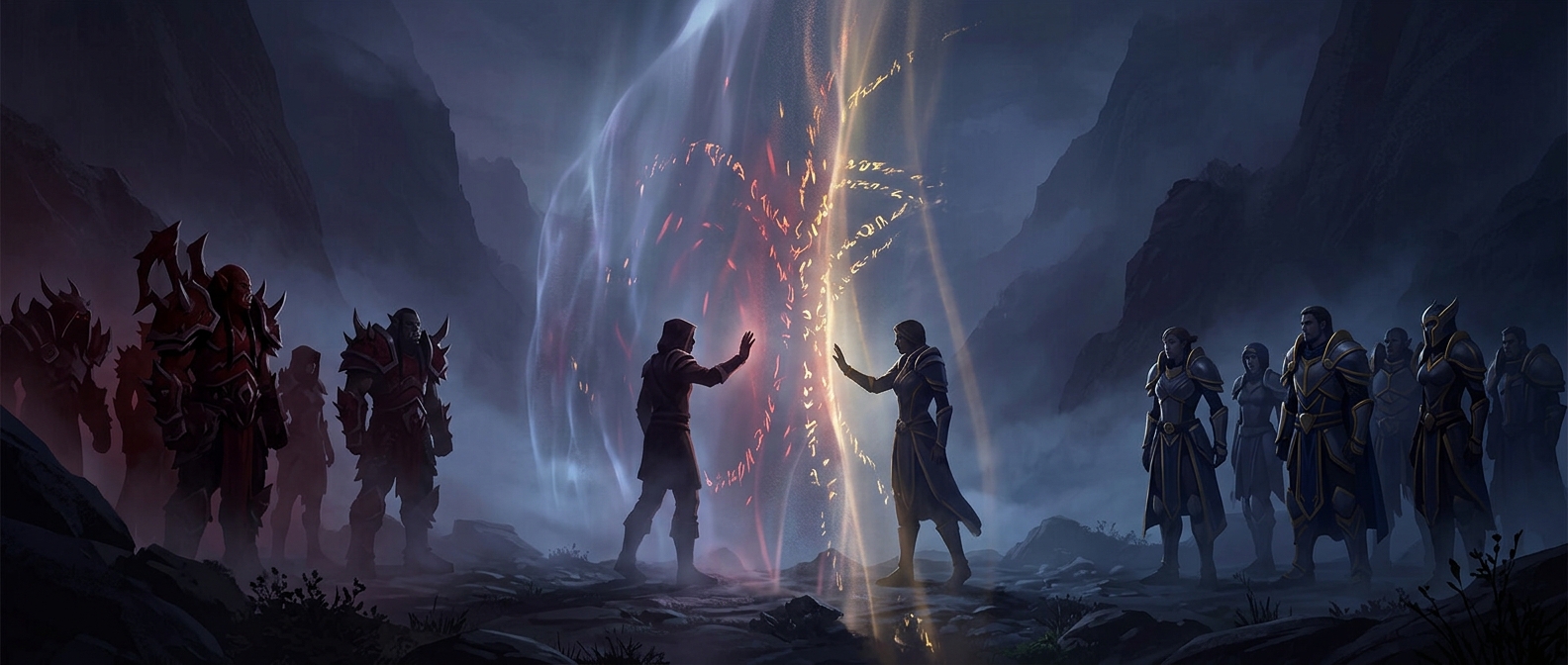
A game filter became a player-made dictionary
In World of Warcraft, faction boundaries affected more than whom a player could fight. A message sent in one faction’s language appeared to an opposing player as nonsense. The filter was meant to make hostile cross-faction communication difficult, limiting opportunities for abuse without having to remove the chat entirely.
But the gibberish was not always meaningless. Players noticed that recurring strings appeared in similar situations. If a short string showed up whenever someone greeted them, for instance, it might correspond to a greeting. Repeated messages, familiar game situations, and players willing to compare notes gave them clues to what individual strings meant.
Repetition supplied the clues
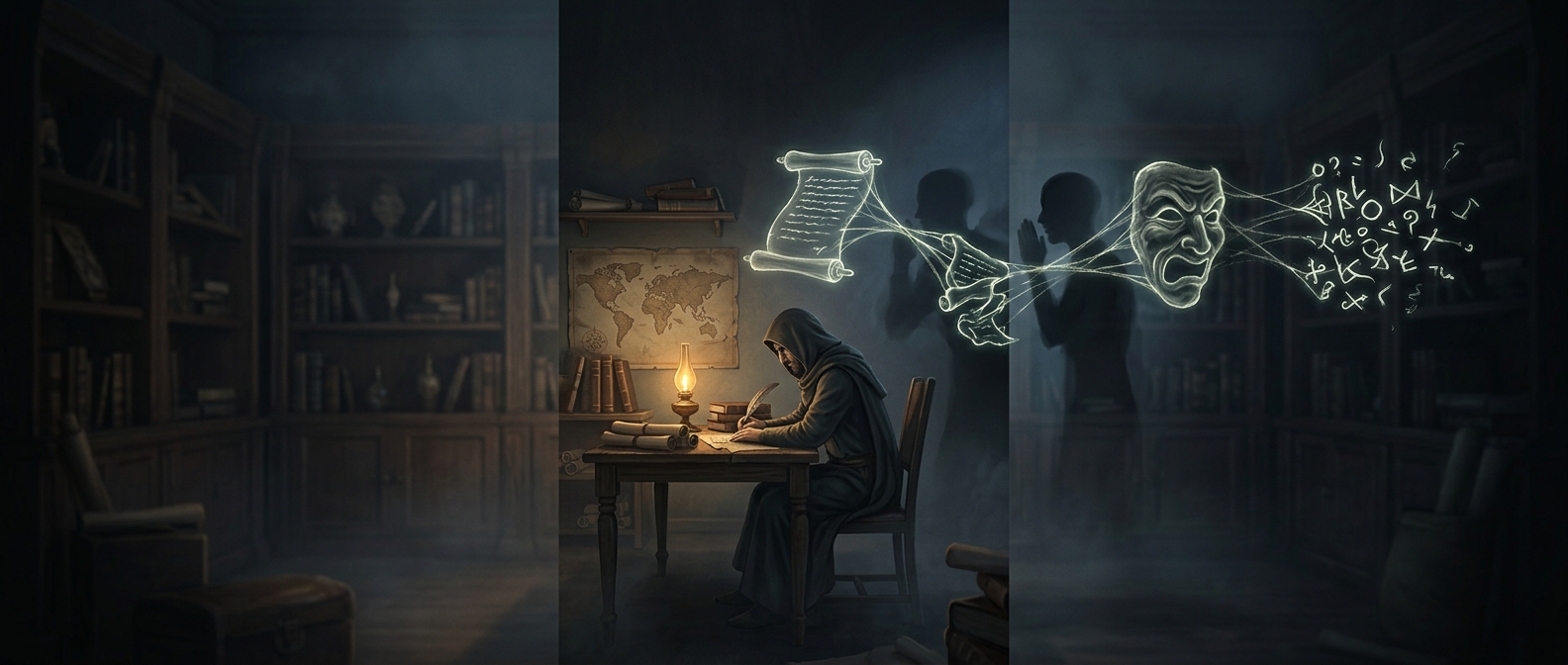
This was closer to building a vocabulary than cracking a modern encryption system. Players tried words, watched how the enemy-side text changed, and matched recurring forms to likely meanings. Once a few mappings seemed reliable, they could test them in other exchanges and share what they had learned.
The method had limits: a fragment of text could be hard to interpret without context, and a guessed meaning was not necessarily certain. Still, players did not need a perfect translation to communicate. A few recognized words could carry a greeting, a warning, or an insult—and prompt another attempt in return.
The restriction shaped the conversation
The language barrier did not simply stop communication; it changed what communication required. Players had to treat ordinary chat as a puzzle, turning repetition and context into tools the game itself had not explicitly handed them. The result was a small, improvised bridge across a boundary designed to keep the factions apart: sometimes useful, sometimes antagonistic, and often assembled one deciphered string at a time.