How the Search Turns Into a Secret
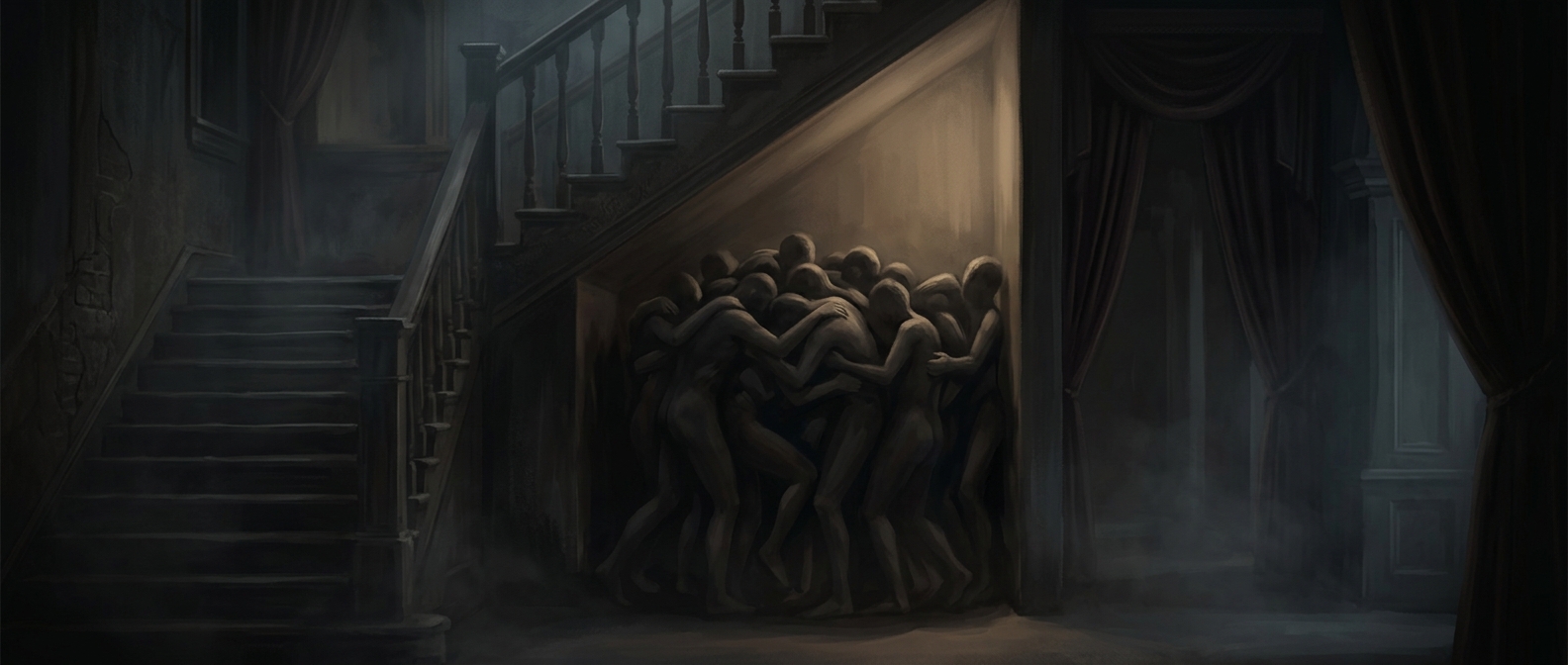
Sardines reverses the usual rhythm of hide-and-seek. Instead of the seeker gradually narrowing down one person’s location, each finder disappears from the search and joins the hidden group. The remaining players still think they are looking for a single hider, while the hiding place quietly becomes more crowded.
That change creates two kinds of suspense at once: seekers wonder where the person went, and the hidden players have to keep still and quiet as newcomers arrive. A creak, a muffled laugh, or a glimpse of someone squeezing behind furniture can give the secret away.
The Hiding Place Becomes the Challenge
Ordinary hide-and-seek rewards finding a spot that is hard to discover. Sardines adds a second test: it must also hold several people. A roomy closet or space behind a curtain may work at first, but every arrival makes staying concealed more awkward. The hiding group has to adjust without making enough noise to attract attention.
That physical comedy is part of the game’s design. Players who have already found the hider are no longer just waiting; they are helping protect the hiding place, while also trying not to give it away. In common versions, the last person still searching becomes the next hider, though groups can choose a different rule.
Because the game depends on everyone fitting safely, the best hiding place is not necessarily the smallest one. A spot that can hold the whole group without blocking an exit keeps the surprise—and the game—going.