Why a Cape Can Work Against Its Wearer
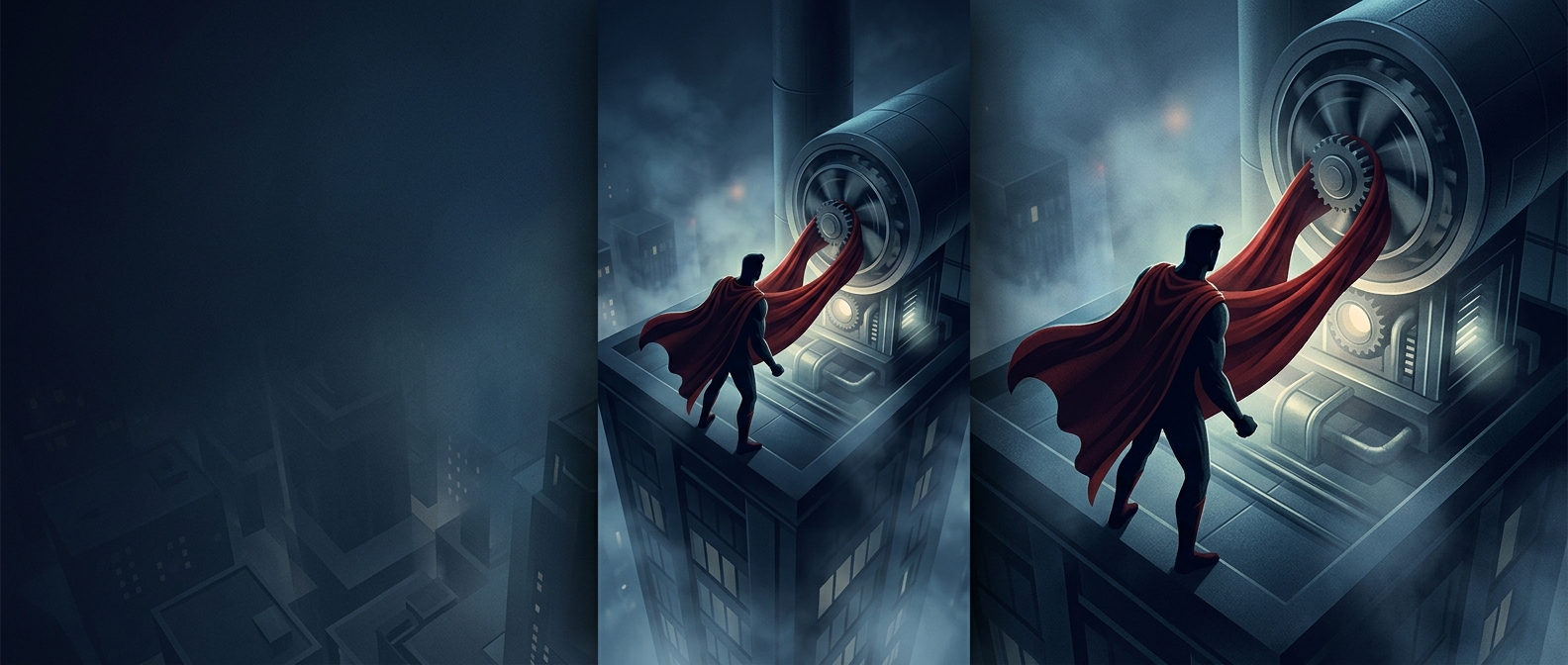
A cape is a large, loose piece of fabric attached near the neck or shoulders. In a fight, that makes it an easy handle: an opponent can pull the wearer off balance, restrict movement, or use the cloth to interfere with a turn or escape. The danger is not limited to combat. Fabric can catch on nearby objects, and a hard tug near the neck can become hazardous quickly.
The same qualities that make a cape risky also make it useful on screen. It gives a character a distinctive outline, and its movement can make a leap, turn, or landing feel larger than the actor’s motion alone. A cape can signal power and drama before the character even acts.
The Costume Is Also a Production Choice
In comics and animation, artists can control every fold and gust. A cape can billow at exactly the right moment without snagging or slowing its wearer. Live-action productions have to account for actual fabric, bodies, and equipment. A costume that looks striking in a posed shot may behave very differently once an actor runs, turns, or performs a stunt.
That creates a practical tradeoff for designers and filmmakers: preserve the recognizable silhouette while managing loose material around movement. How they handle it depends on the scene and production; the cape may be controlled, adjusted, or omitted when it would interfere. The dramatic image is effortless only when someone has accounted for what the fabric might catch—or who might grab it.