How superhero costumes became visual shorthand
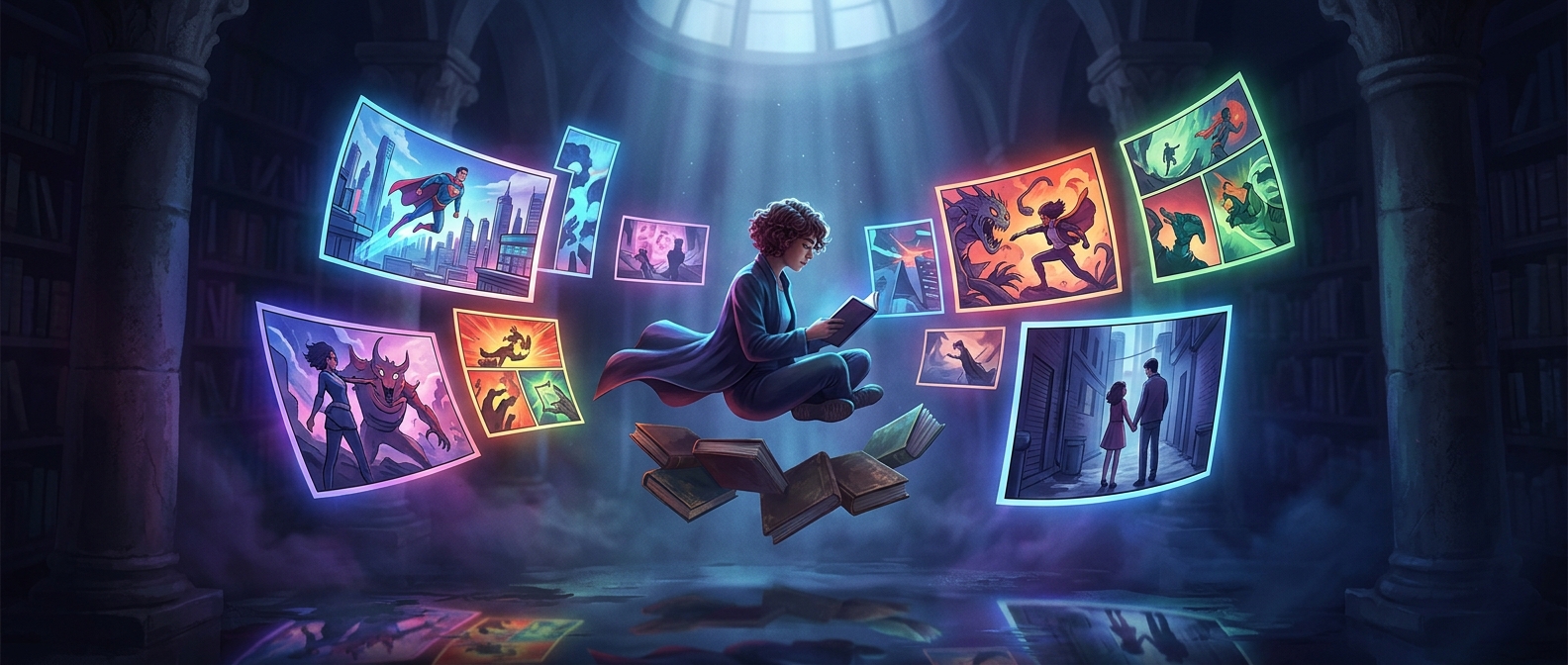
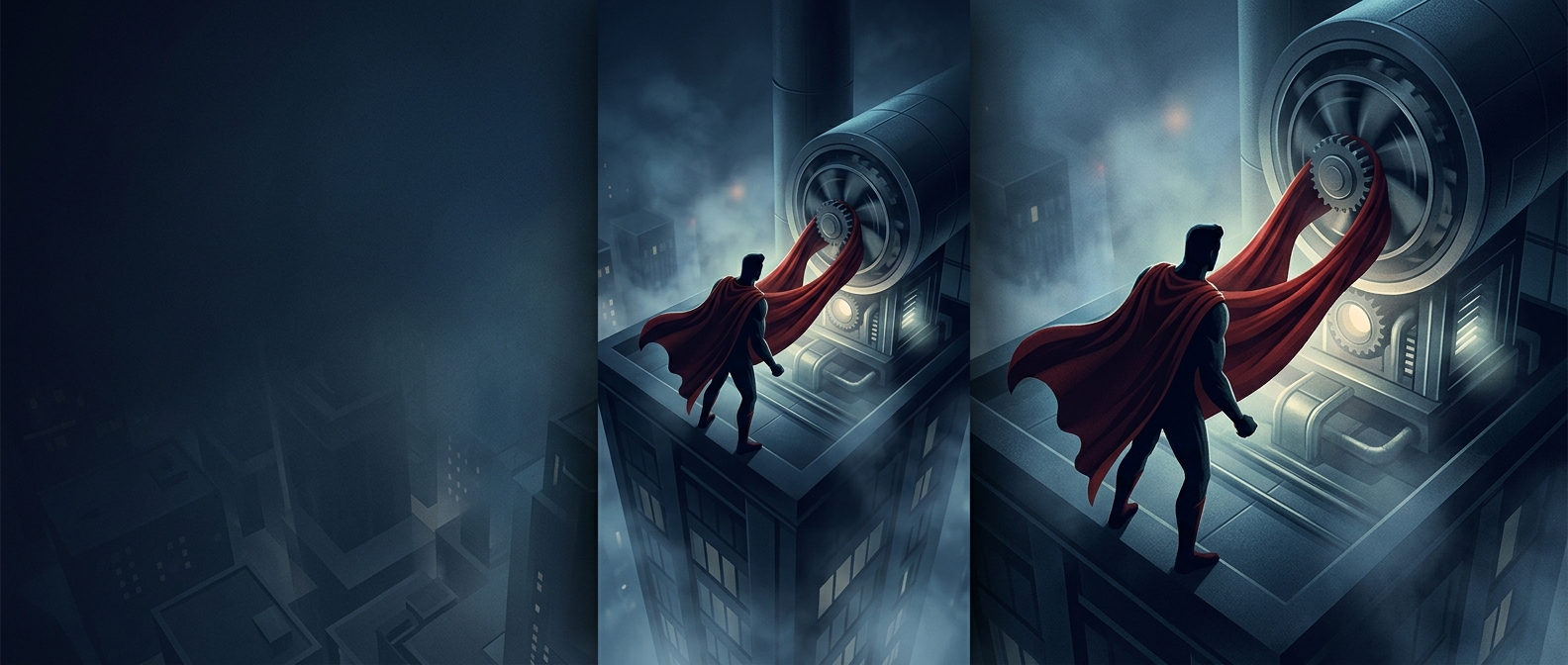
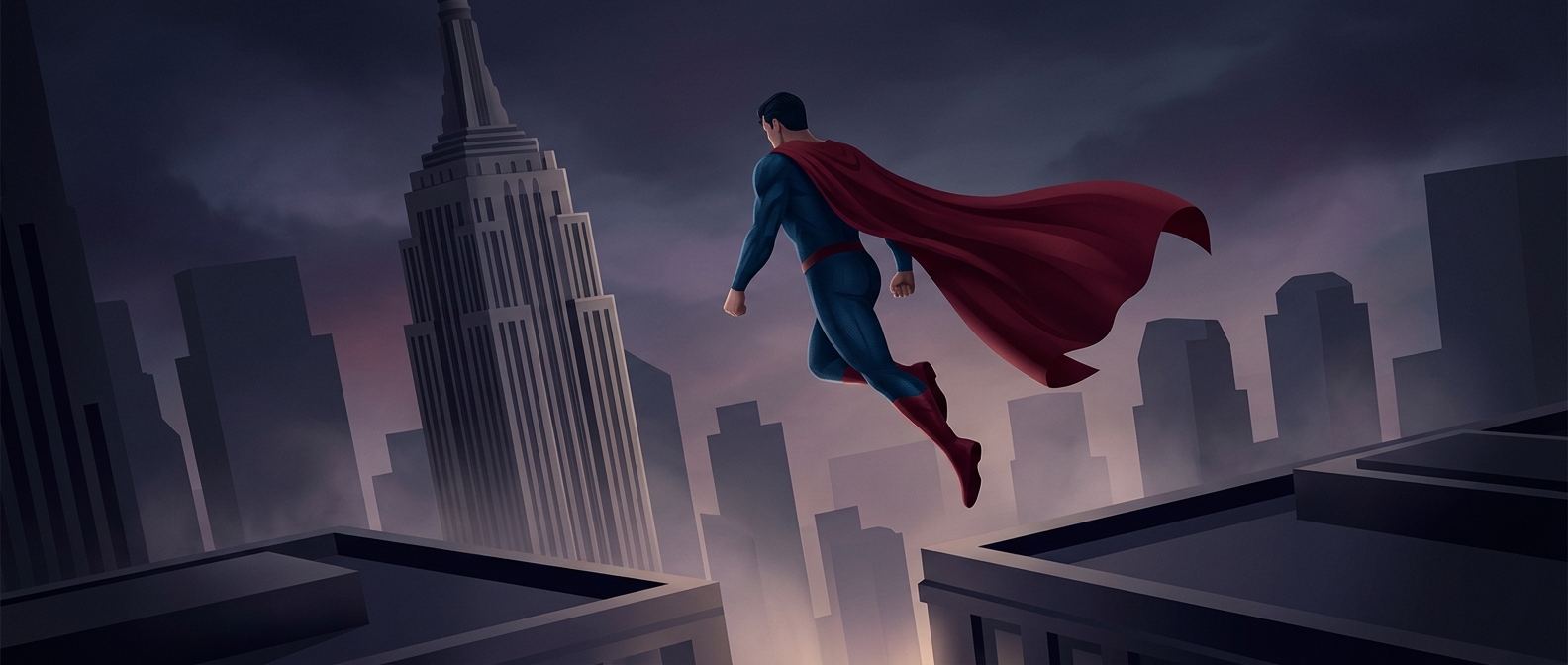
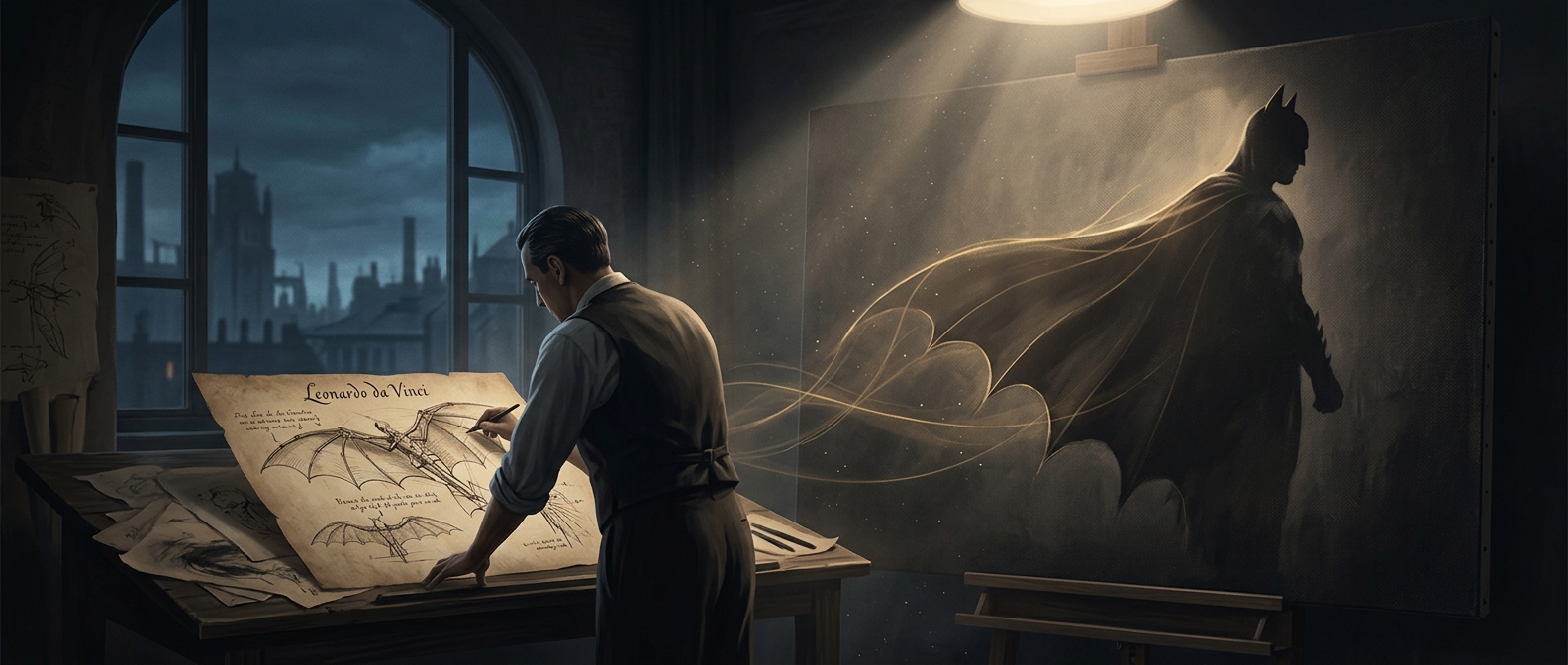
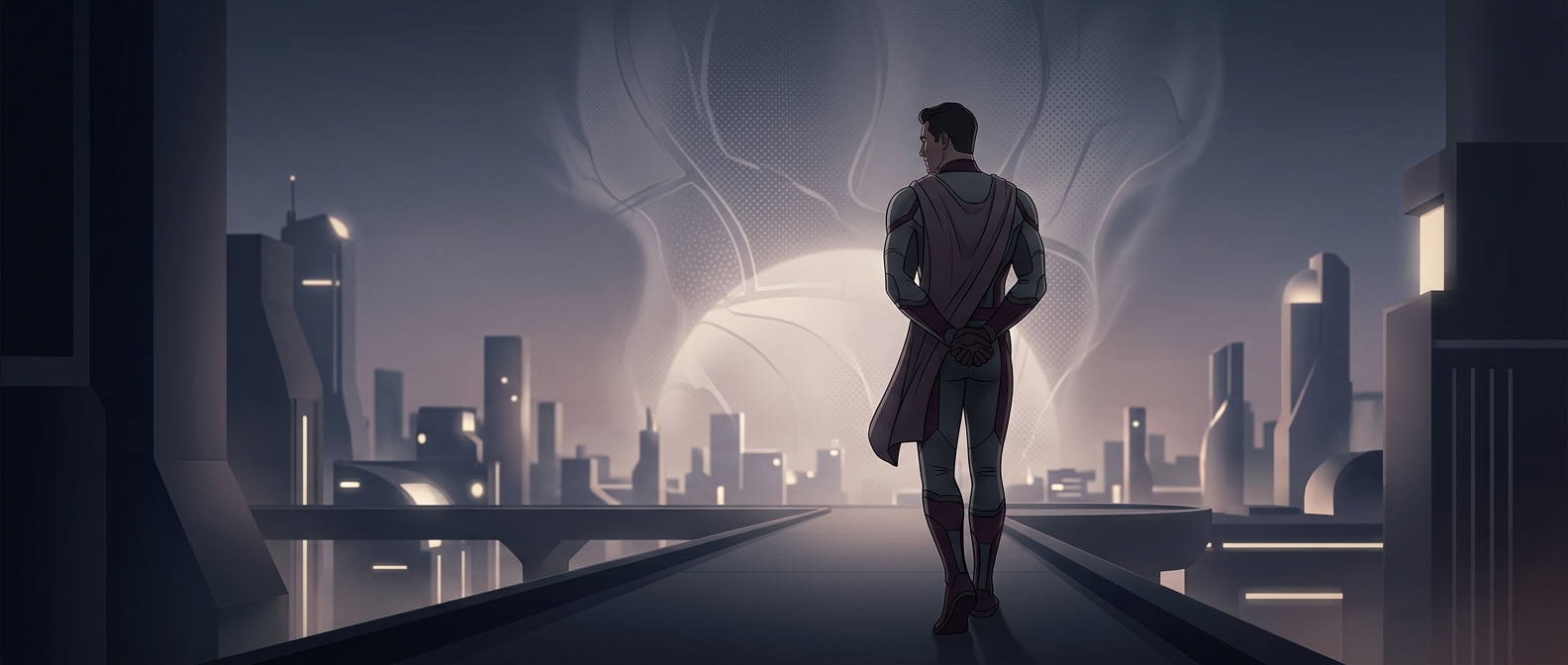
A comic costume has to work at a glance. In a crowded panel, a bold silhouette and a few blocks of color help readers recognize a hero before they can make out a face—or even read the dialogue. Close-fitting clothes keep the body’s outline visible through leaps, twists, and punches, while a cape, mask, or emblem makes one character easier to distinguish from another.
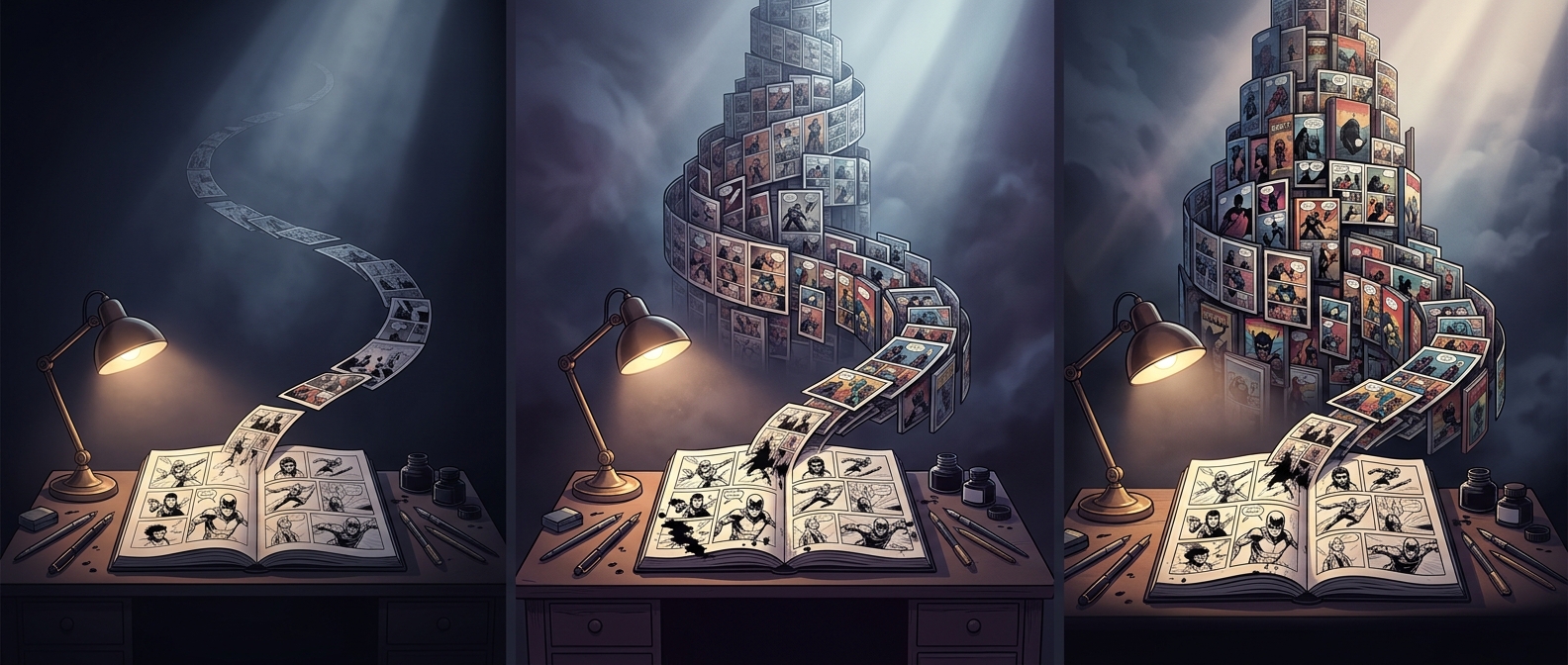
That clarity matters because comics tell stories through a sequence of still images. A costume that looks distinctive in a single pose can also remain recognizable as the artist changes the angle, scale, or setting. It becomes part of the character’s visual signature, repeated from panel to panel and story to story.
Repetition turns an odd choice into a convention
The first time a reader sees a brightly colored, skin-tight outfit, it may look less like practical clothing than a theatrical costume. But comics teach their own visual grammar through repetition. When the same kind of outfit repeatedly signals “hero,” readers come to read it as a uniform for the genre rather than as everyday fashion.
That convention also lets artists show bodies in motion without drawing bulky fabric that might obscure a pose. The outfit’s real usefulness is therefore on the page: it keeps the figure legible and the character identifiable. After enough appearances, the question shifts from “Why would someone wear that?” to “Which hero is this?”