Why a Comic Strip Can Be Old Before It Appears
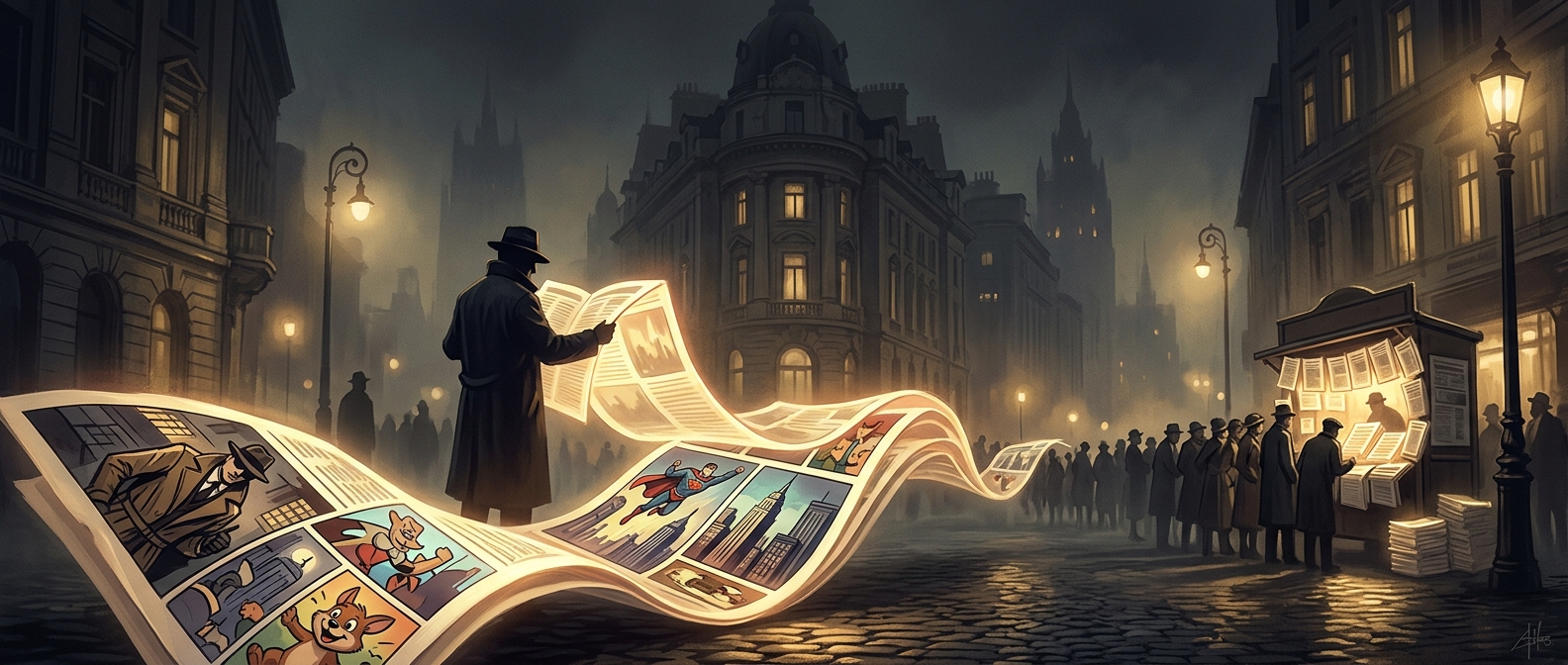
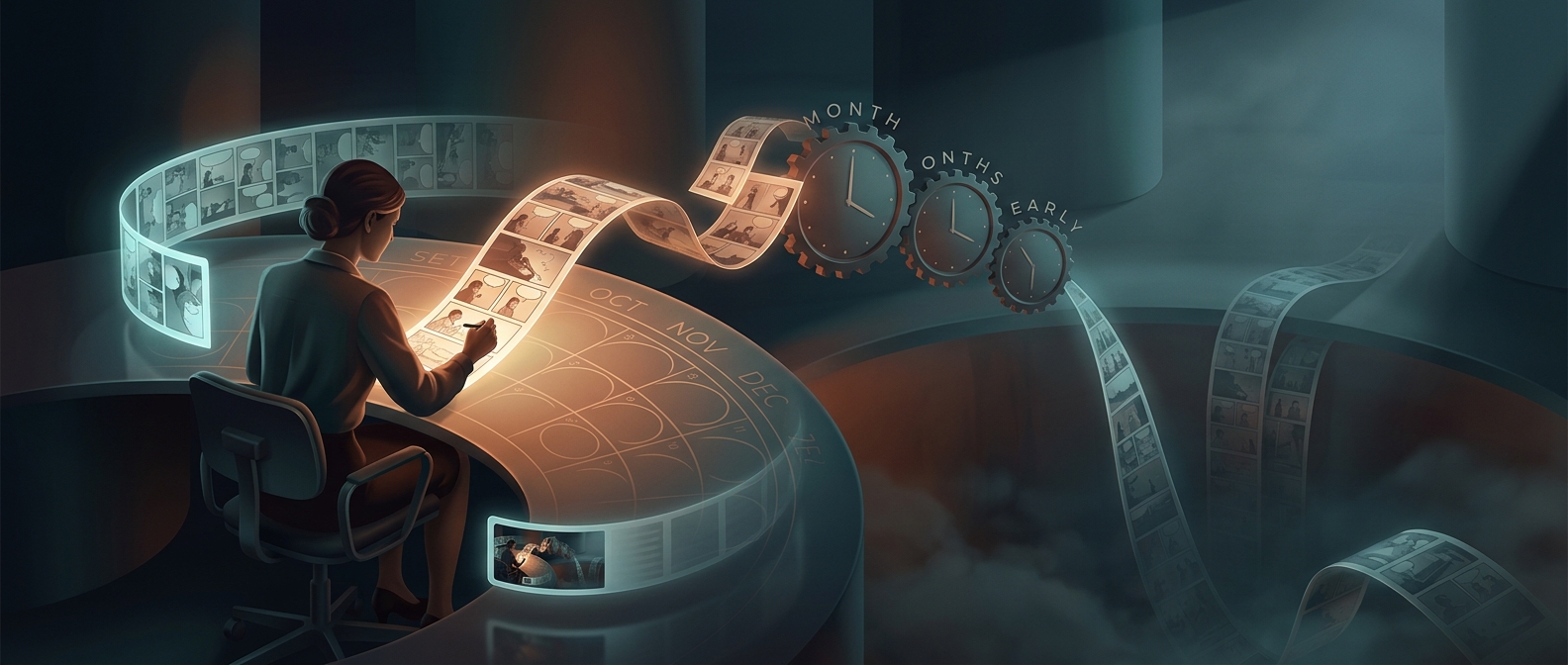
A newspaper comic is not usually drawn in response to the morning’s headlines. It moves through a production chain: the creator prepares a batch, a syndicate distributes it to subscribing newspapers, and each paper schedules the strips for publication. That pipeline needs material in advance so editors can plan pages and keep the comic running on a dependable daily schedule.
The work may be finished months before readers see it. That gives the creator and the syndicate time to review, package, and deliver the material, but it also means a strip can be locked in before a major event has happened.
The Tradeoff: Reliability Over Instant Reaction
A current-events joke has a short window. By the time a strip reaches the page, the story it references may have changed—or readers may have moved on. Creators working this far ahead therefore tend to build jokes around characters, relationships, and situations that will still make sense later, rather than depend on a particular day’s news.
That does not make the format incapable of responding to events; it makes a quick response difficult. A creator may be able to adjust work that has not yet been completed or scheduled, but an already distributed strip is hard to replace across many newspapers at once. The result is a medium with a built-in tension: its regular rhythm depends on planning ahead, while topical humor depends on reacting now.