Why publishers wrote their own rules
In the early 1950s, comics faced mounting public criticism over their depictions of crime and horror. The controversy reached Congress, where hearings examined whether comics encouraged juvenile delinquency. Publishers feared that lawmakers might impose restrictions—and that public alarm could also cost them readers and sales.
Rather than wait for government rules, major publishers organized a trade association and adopted the Comics Code in 1954. It set limits on what member companies could publish, including restrictions on graphic violence, horror staples such as vampires, and stories that portrayed law enforcement or other authority figures as corrupt or ridiculous.
A rulebook enforced by the marketplace
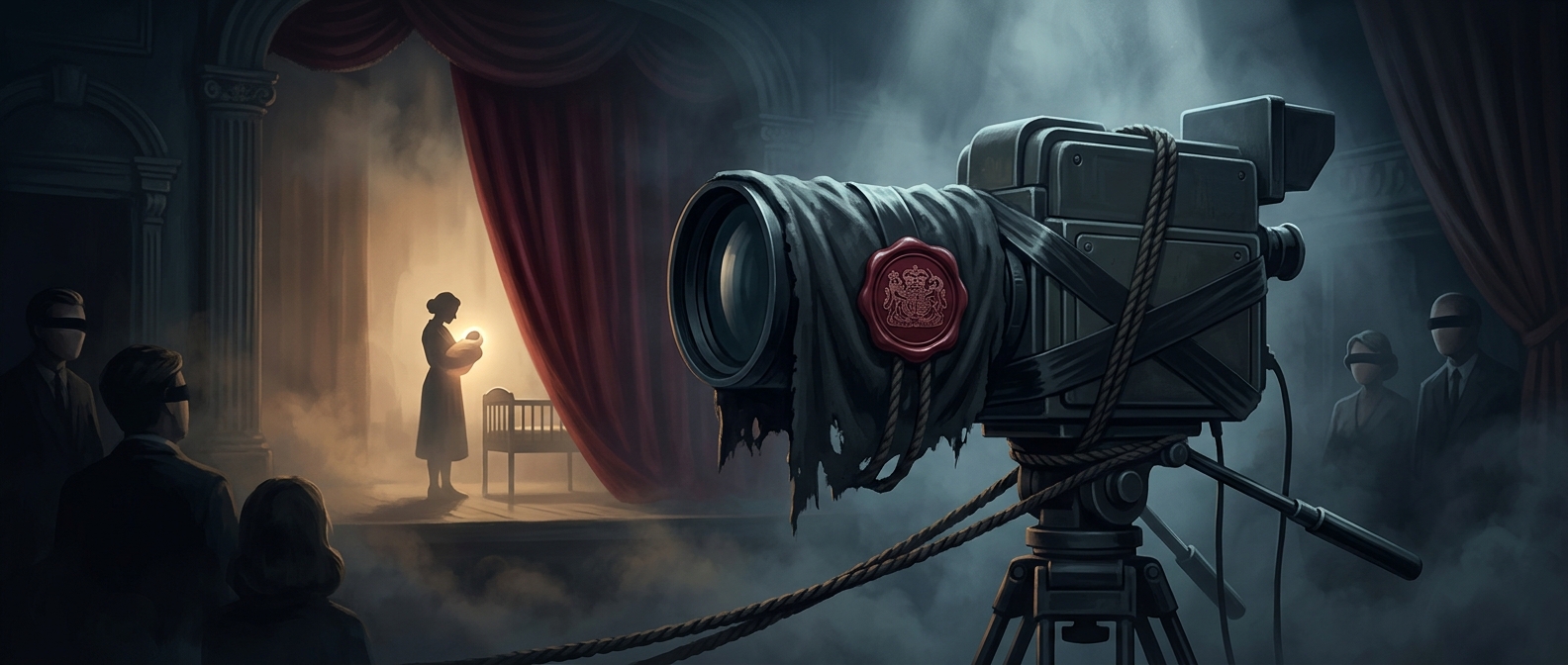
The Code was more than a list of recommendations. Comics submitted to its review could receive a seal printed on the cover. That seal reassured nervous parents and retailers that an issue met the industry’s standards. Publishers that wanted broad distribution had a strong incentive to comply: without approval, a comic could be harder to sell through ordinary channels.
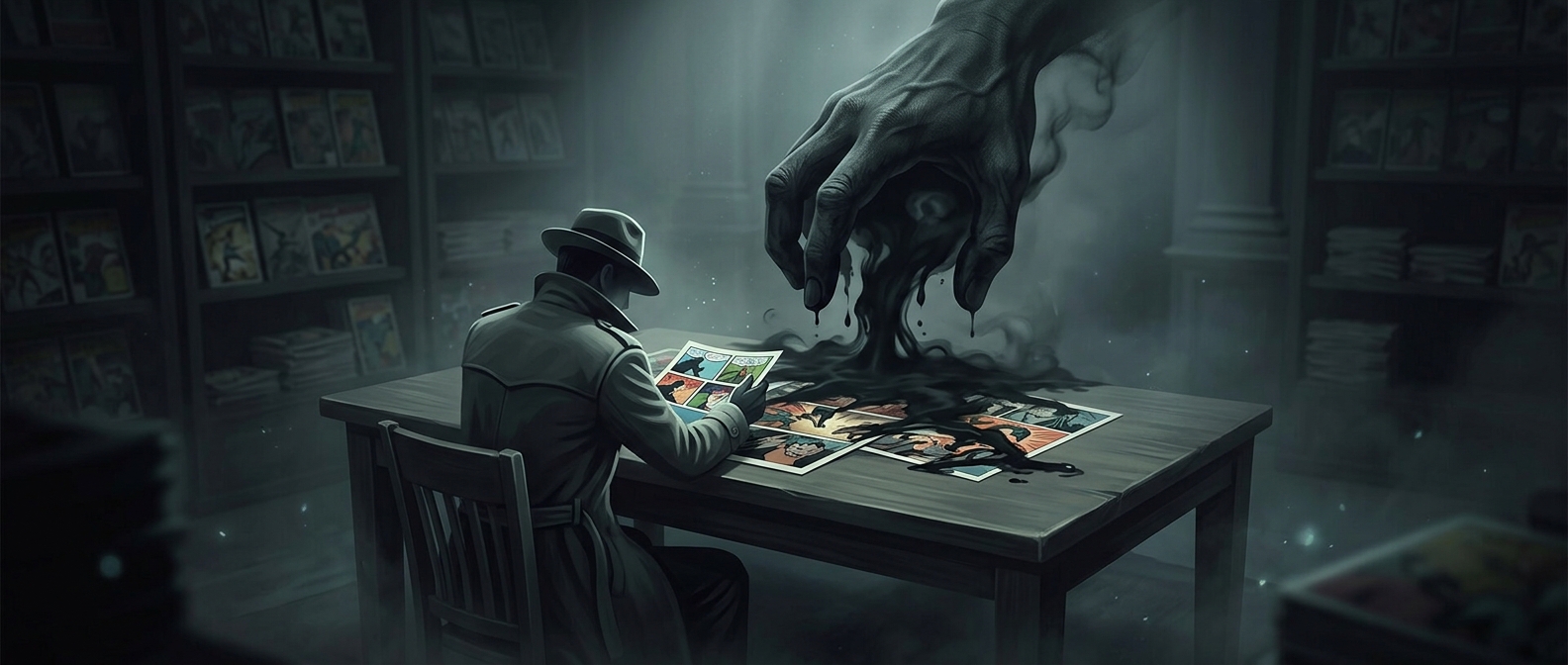
This private system let the industry regulate itself without giving the government direct control over story content. But it also gave the Code practical power over creators. A publisher could reject or revise a story before it reached readers, so the rules shaped not only what appeared on the page but which genres and plotlines remained commercially viable.
The cost of avoiding outside control
The bargain was clear: publishers preserved the ability to set their own standards, while accepting limits that narrowed what comics could depict. Horror comics, in particular, lost some of the imagery and supernatural characters central to the genre. The episode shows how censorship can work without a law banning a book: when retailers and readers treat an approval mark as a condition of sale, an industry’s voluntary rule can become a powerful gatekeeper.