How a Kiss Became a Cutaway
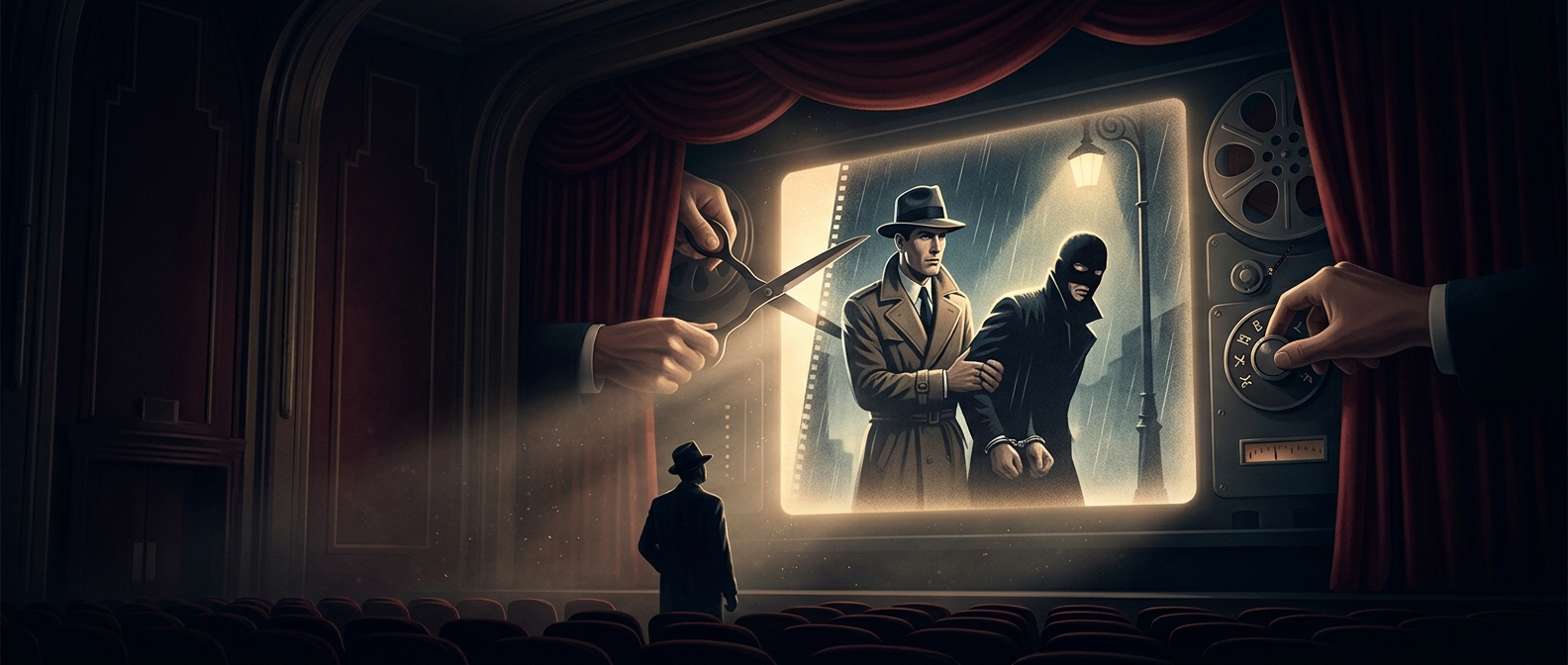
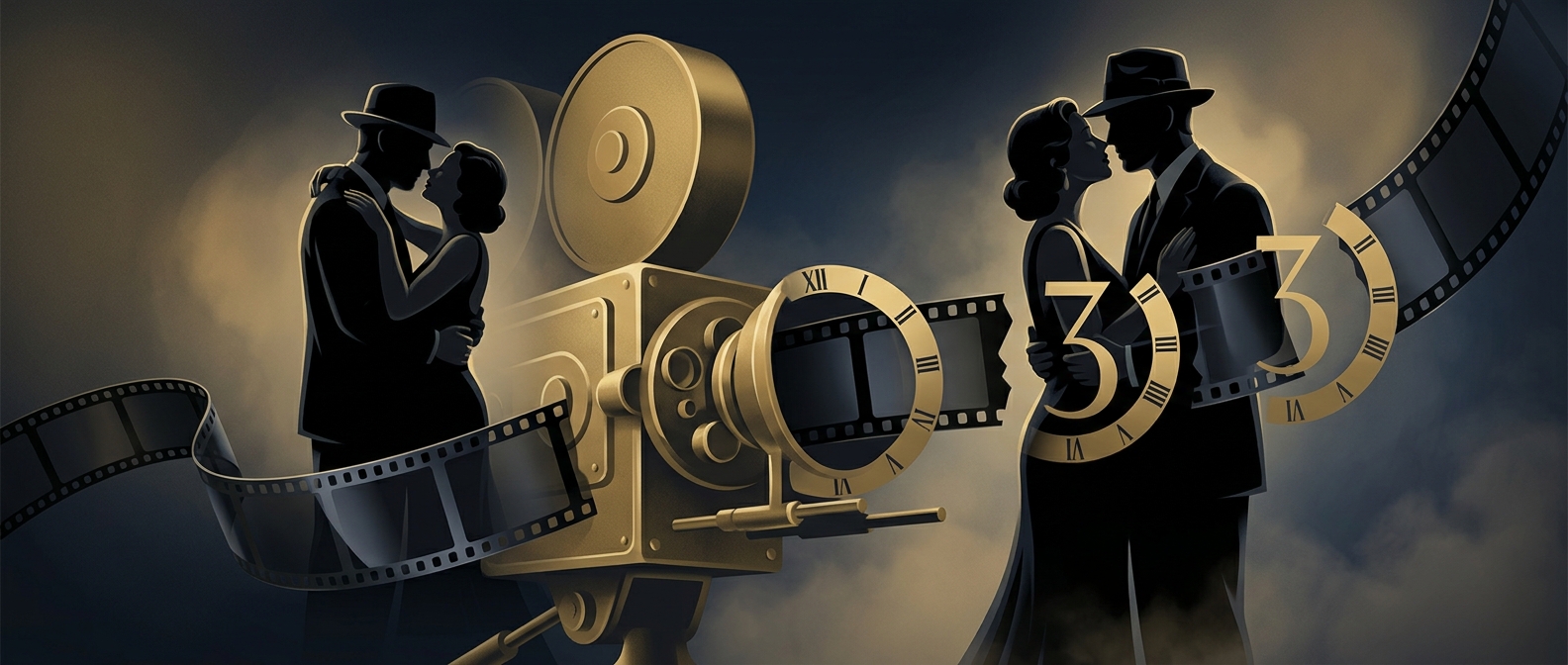
The familiar “three-second kiss” was less a stopwatch rule than a shorthand for the restraint Hollywood’s Production Code demanded. The Code, a set of standards studios used to police the content of their films, was enforced from 1934 by the Production Code Administration. Its reviewers objected to kissing they considered too prolonged or sexually suggestive, leaving filmmakers to work within a judgment call rather than a precise timer.
That uncertainty shaped the scene itself. A couple could kiss briefly, separate to speak or catch a breath, and then kiss again. Each break gave the camera a natural pause—and gave the scene a way to suggest continuing desire without showing one uninterrupted embrace. The technique turned censorship into a bit of screen choreography.
Suggestion Did the Work
The restriction did not make romance disappear; it changed how filmmakers conveyed it. A look, a pause, or a return to the kiss could carry the emotional charge that a longer display was not allowed to. The audience filled in what the camera and actors could not linger on.
The Production Code’s authority weakened as filmmakers and studios challenged its restrictions and the industry’s standards changed. It was replaced in 1968 by a ratings system, which classified films for audiences rather than requiring studios to follow the Code’s detailed content rules. Until that shift, even a brief separation between kisses could be doing two jobs at once: keeping a scene within the rules and making the romance feel more charged.