A dry walk could look strangely foreign
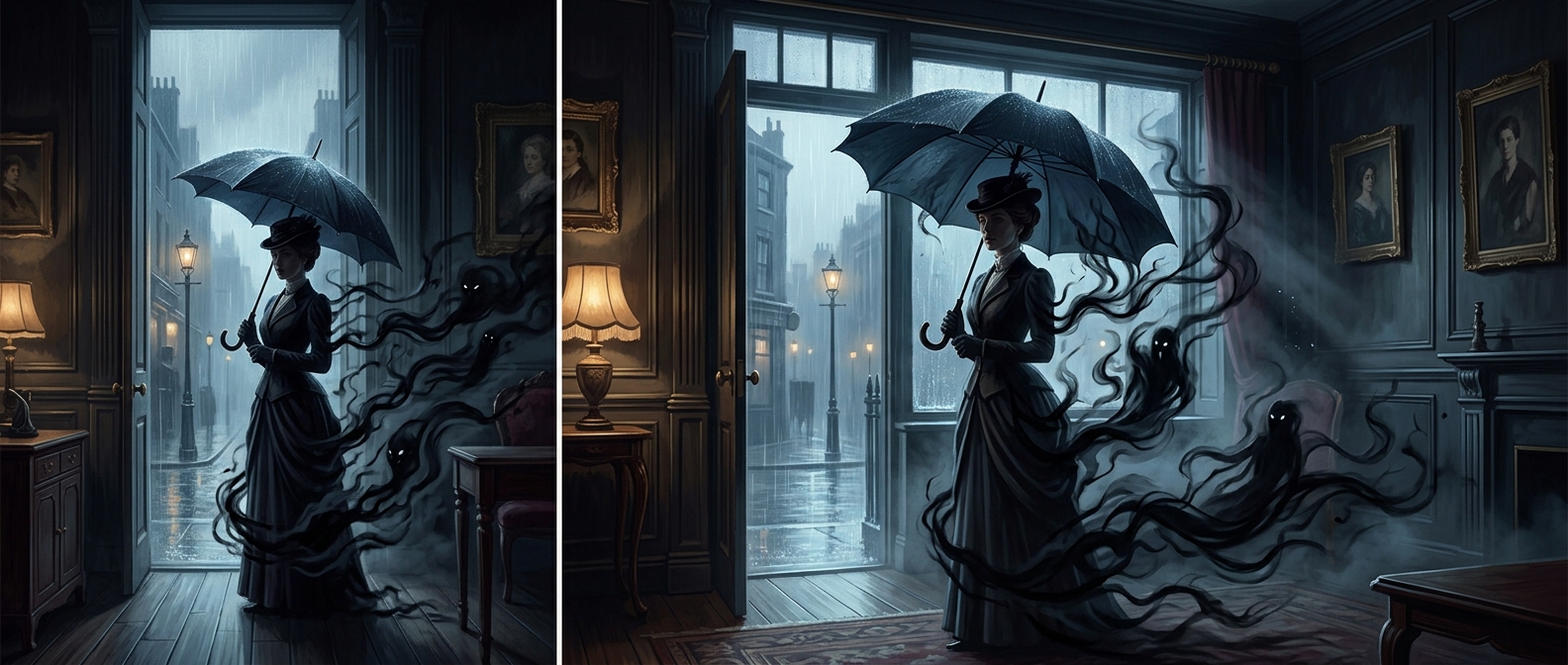
In 18th-century Britain, an umbrella was more than protection from rain: it was an unfamiliar way to move through it. People commonly relied on hats, cloaks, or a hired carriage. Opening a large canopy and walking through the street could therefore attract attention, especially when the practice was associated with continental Europe.
That association mattered in a country where France was a nearby rival as well as a source of fashions. To some observers, adopting a foreign-looking accessory could seem like affectation—or invite suspicion about where a person’s loyalties lay. The “spy” implication was a taunt born of that atmosphere, not evidence that umbrella users were actually suspected agents.
The umbrella challenged ideas about masculinity
For men, carrying one could also suggest that they were unwilling to endure ordinary bad weather. In a culture that prized toughness, the umbrella risked looking precious or weak. Its awkward early reputation came from the social meaning attached to using it, not from any mystery about how it worked.
As people grew accustomed to seeing umbrellas on British streets, the object became less conspicuous and its foreign associations mattered less. What once marked a man as fussy—or oddly continental—eventually became an ordinary answer to rain.