Why the Middle Seat Can Stay Empty
On a three-seat side of a typical economy row, travelers often prefer the window for the view or wall to lean against, and the aisle for easier access. The middle seat offers neither advantage, so when two companions choose the window and aisle, their booking can make that row less appealing to other seat-selecting passengers than a pair of adjacent seats elsewhere.
That is the logic behind the gamble: if nobody chooses the remaining seat, the pair has extra room between them. It is not a reservation of the whole row, though. The middle seat remains available, and another traveler may select it or be assigned it later.
A Booking Tactic, Not a Guarantee
The odds depend on the flight and the airline’s seating process. A nearly full plane leaves fewer empty seats to aim for; seat maps may also omit passengers who have not chosen seats yet. Some travelers are assigned seats at check-in or at the airport, so an apparently vacant middle can still be filled before departure.
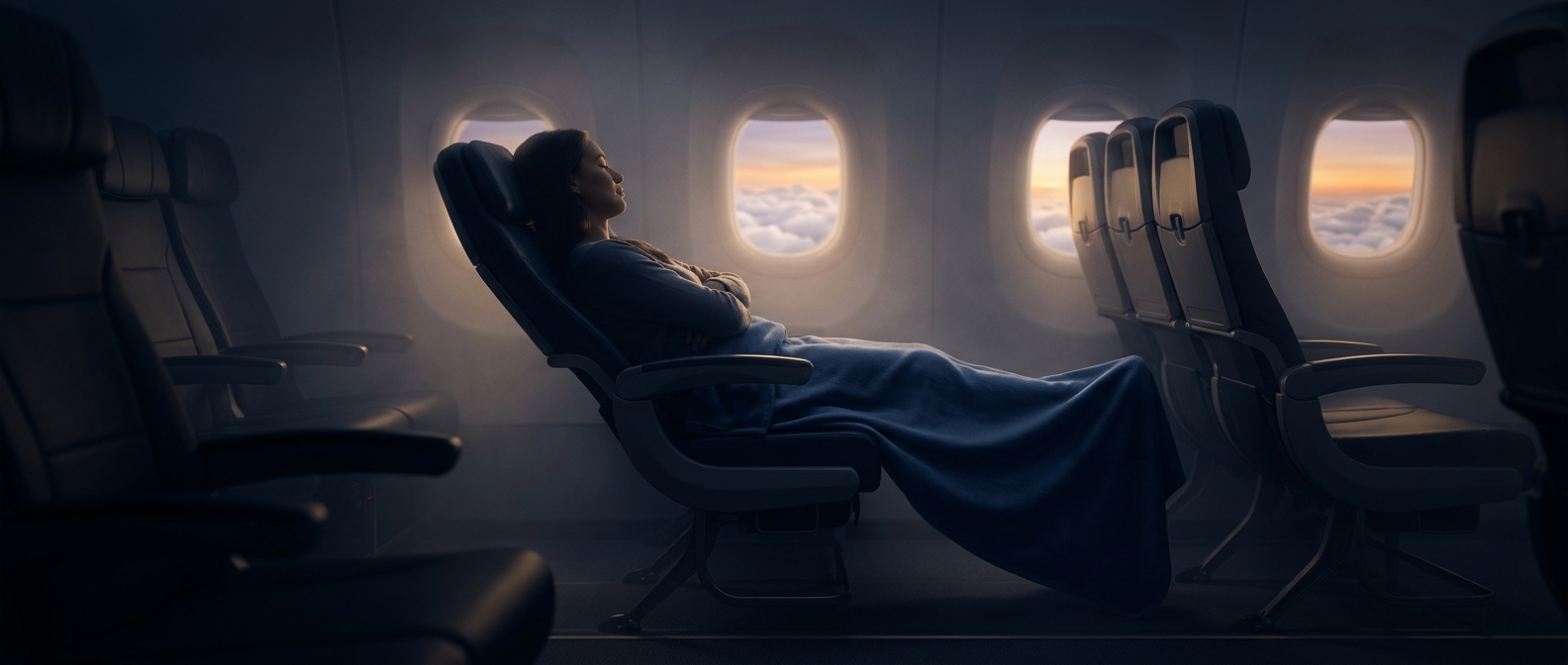
If the middle does stay open, the payoff is simple: a little more elbow room and fewer reasons to negotiate around a seatmate. If it does not, the two companions can still sit together only if one is willing to trade places with the middle-seat passenger—and that passenger may prefer the seat they were assigned.