Why a soft pillow can still strain your neck
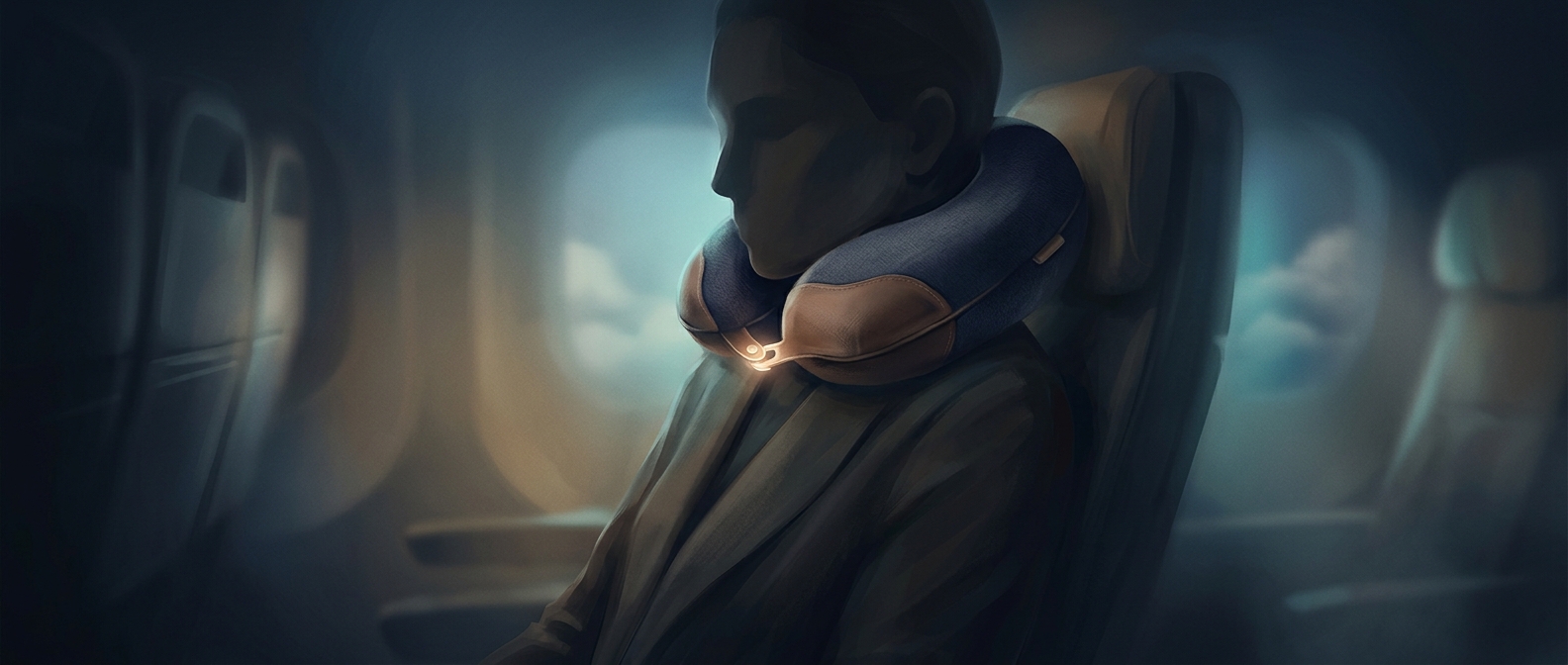
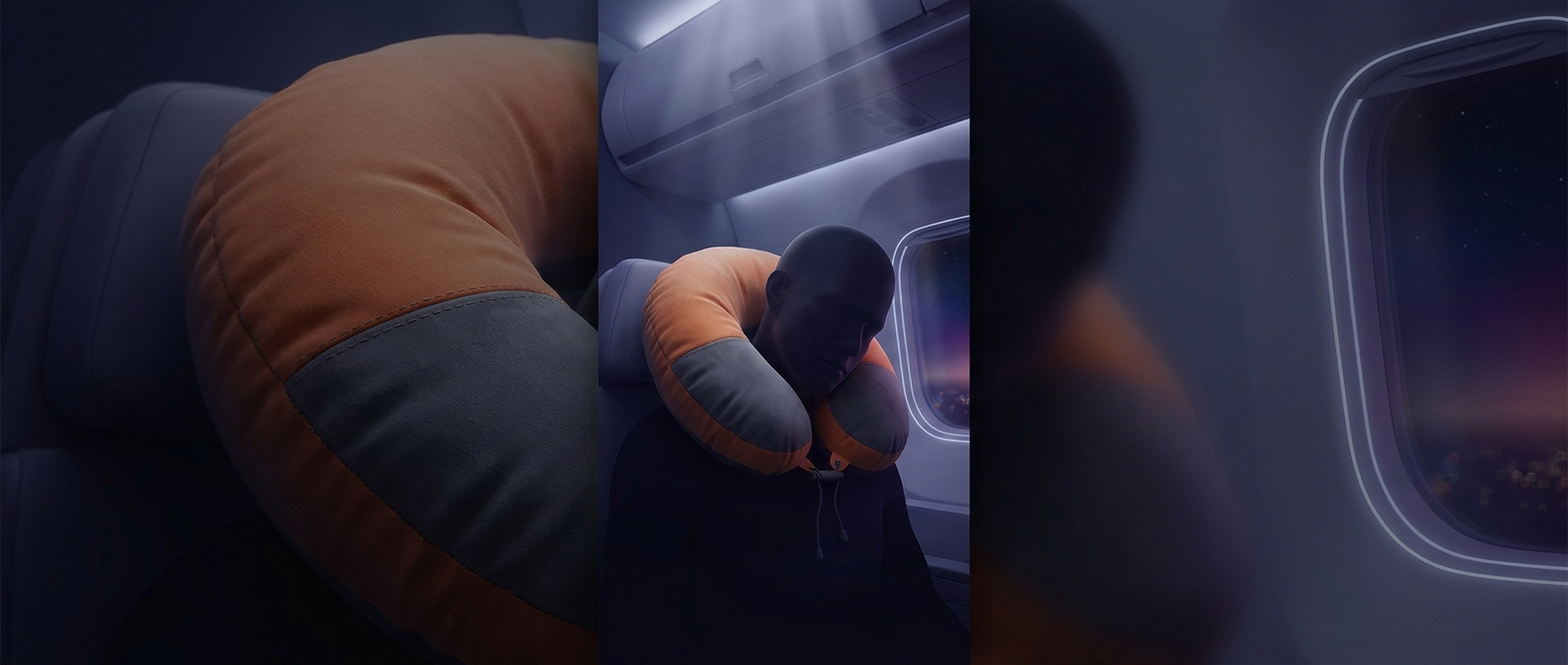
A U-shaped travel pillow is meant to stop your head from dropping sideways when you doze upright. But the shape can create a different problem: if the pillow is thick behind your neck, it may push your head forward. Your chin moves toward your chest, and your neck stays bent instead of resting in a neutral position.
The seat and pillow work together
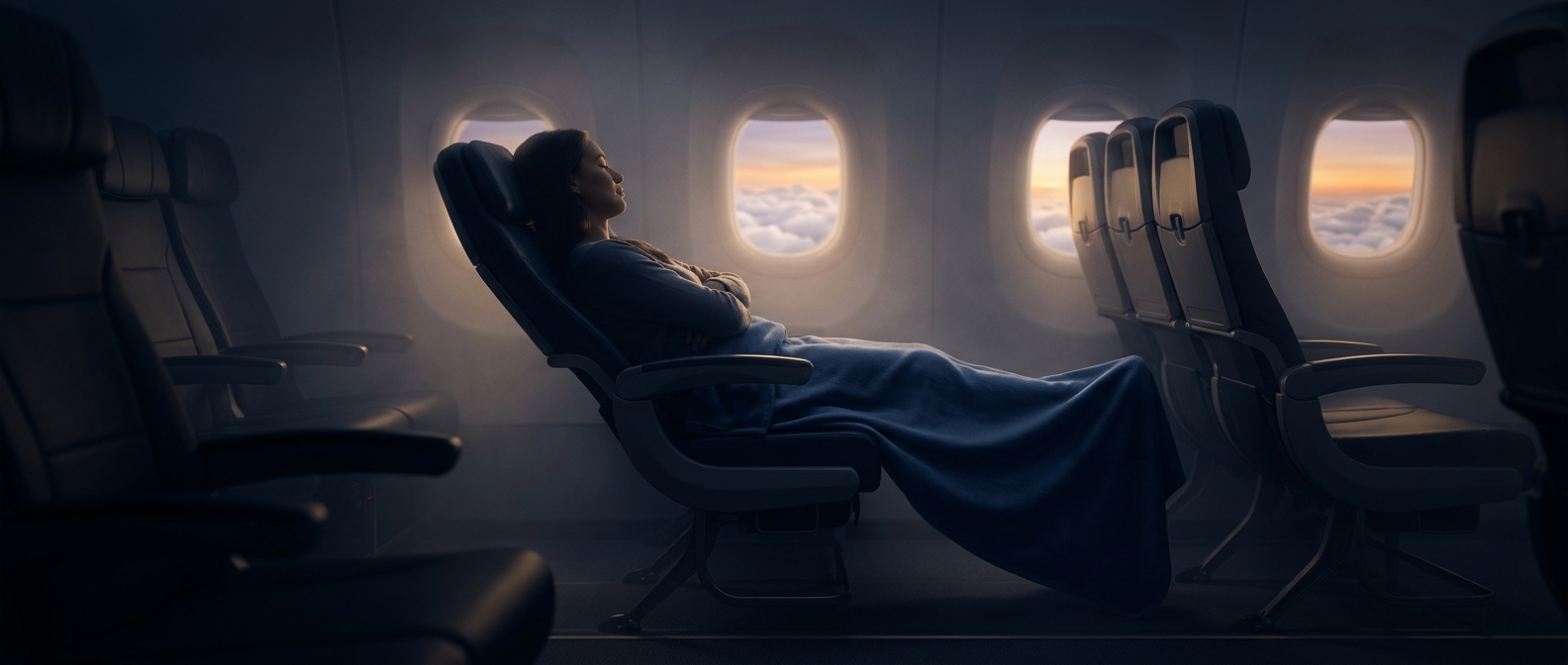
In an airplane or bus seat, the backrest already limits how far your head can move backward. Add a pillow between your neck and the seat, and the extra bulk can shift your head forward even more. The pillow may feel cushioned, but comfort depends on where it holds your head—not just how soft it is.
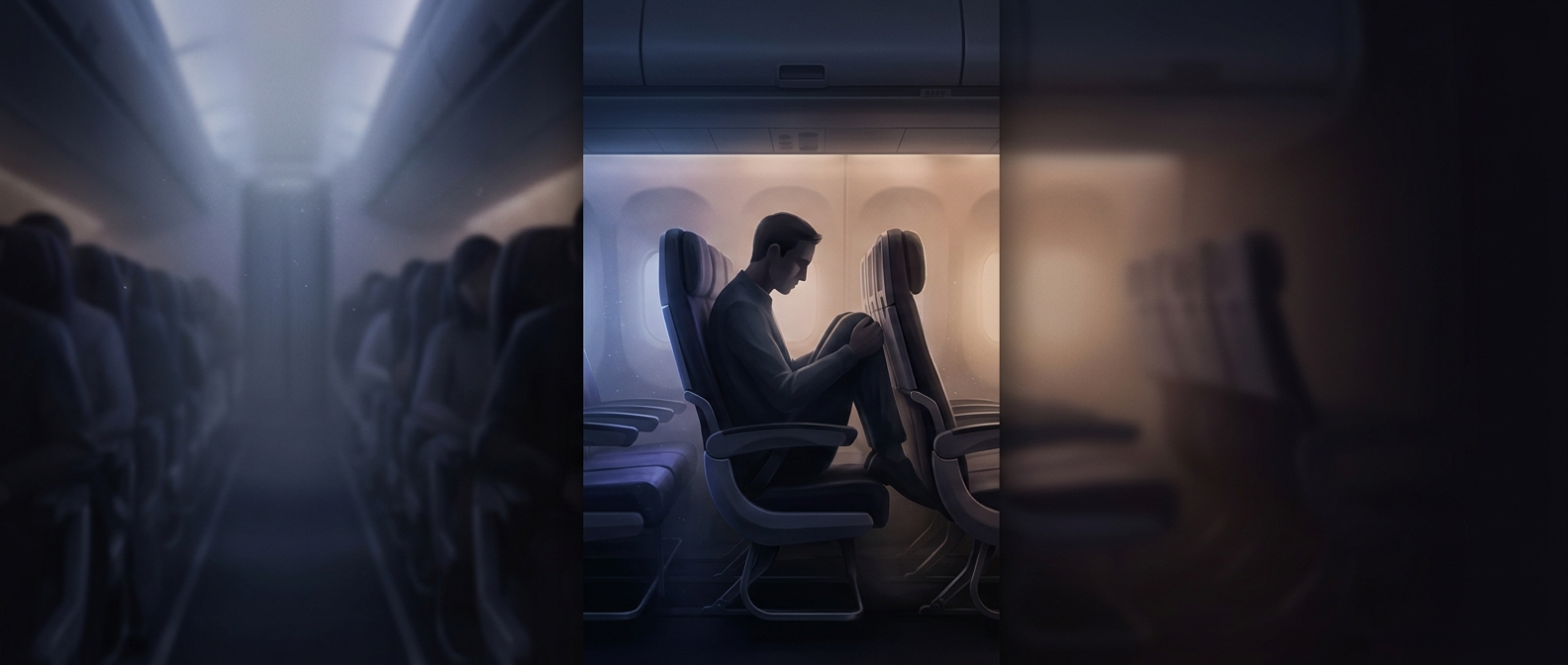
When your head is tilted forward for a while, the muscles at the back of your neck have to work to support it. That sustained effort can leave them stiff or sore when you wake. A pillow that is too loose may also fail to keep your head steady, so you slump into an awkward angle anyway.
Fit matters more than shape
A travel pillow should support your head without forcing your chin down or pushing your neck forward. Try it while seated in the position you will actually travel in: the right fit should reduce the head’s tendency to tip, while letting your neck feel relaxed. If the pillow makes you lean forward, shifting it, using a thinner design, or skipping it may be more comfortable than adding more padding.