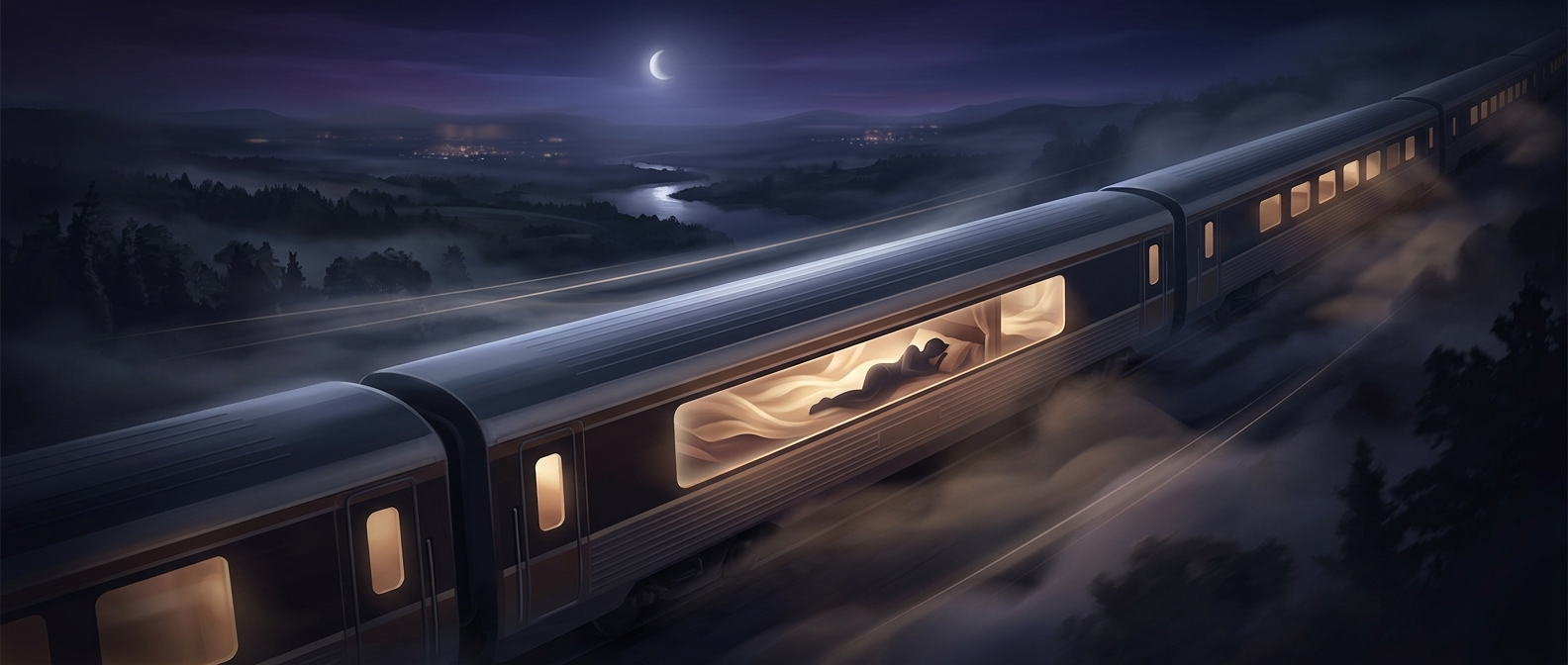
Turning a Train Seat Into a Bed
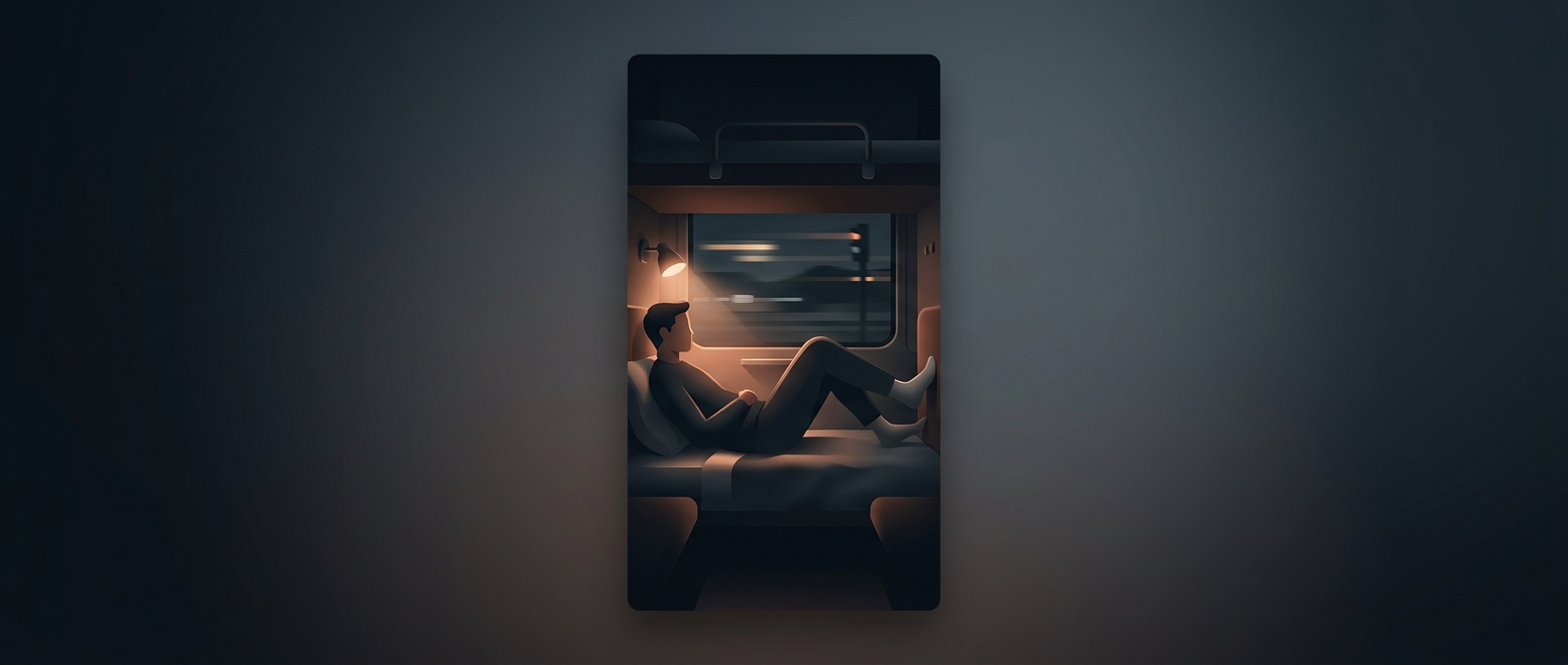
Before sleeping cars, an overnight rail journey meant trying to rest upright or stretched across hard seating. A berth changed the basic problem: instead of asking passengers to tolerate the ride, the car was arranged to let them sleep while the train kept moving. In many designs, seats could be rearranged into a lower bed, with another berth folded down above it.
That conversion made the car a compact, shifting space. By day, passengers could sit facing one another; at night, the same area became sleeping accommodation. The arrangement used limited floor space efficiently, but it also meant that comfort depended on more than a mattress: passengers needed room to climb in and out, bedding had to be managed, and sleeping areas needed some separation from the aisle and other travelers.
A Longer Journey Became More Practical
The key change was time. A trip that took through the night no longer necessarily consumed a full day of alertness at the destination. Travelers could cover long distances while resting, making overnight rail service more useful for journeys too long to complete comfortably in daylight.
Sleeping cars also created a new tradeoff for railroads: they could offer more comfort, but beds took space that ordinary seats would otherwise occupy. The berth was therefore both a piece of furniture and a way to sell a different kind of journey—one in which the destination could be reached after a night aboard rather than after a night spent enduring the train.