The wheel controls power, not direction
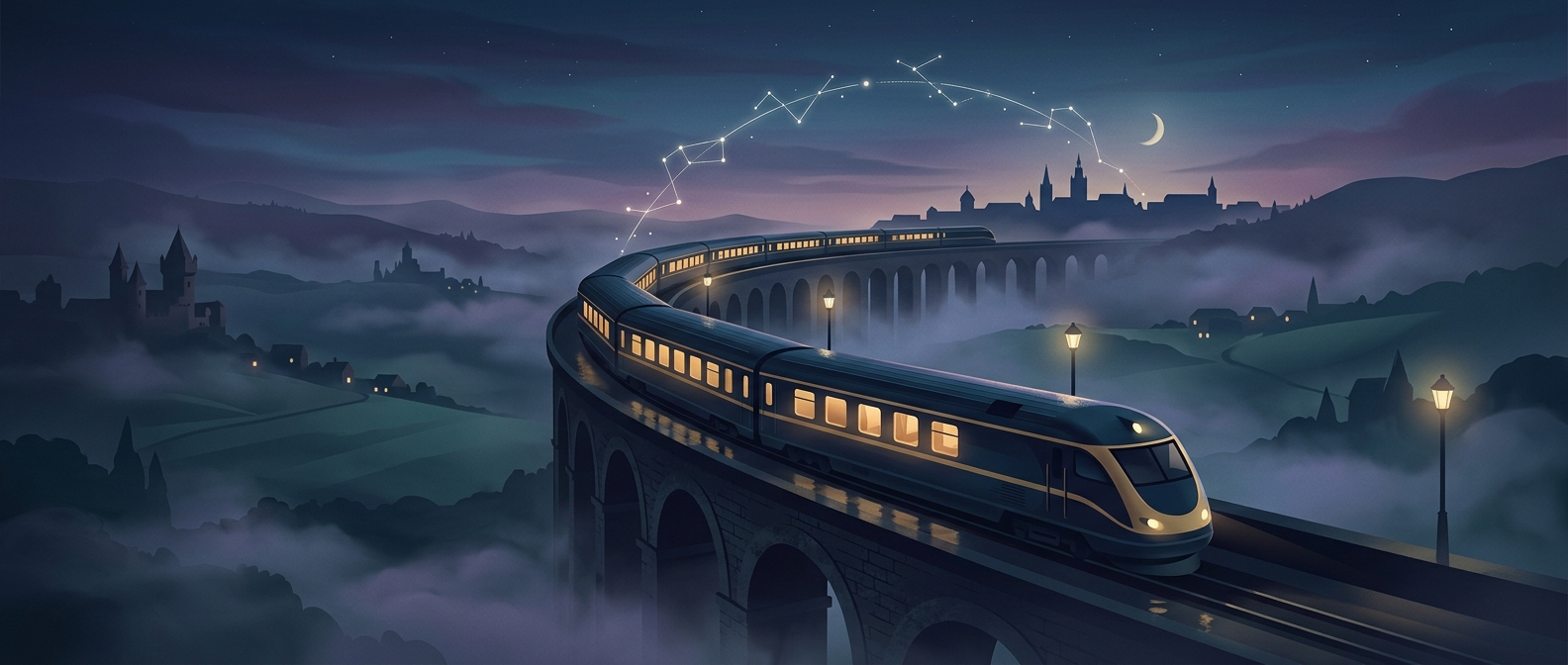
A train’s wheels cannot turn left or right to steer it like a car’s. Their flanges—the raised rims at the edges—keep them aligned with the rails, while switches route the train onto a different track. The large wheel in some train cabs is therefore not a steering wheel in the road-vehicle sense.
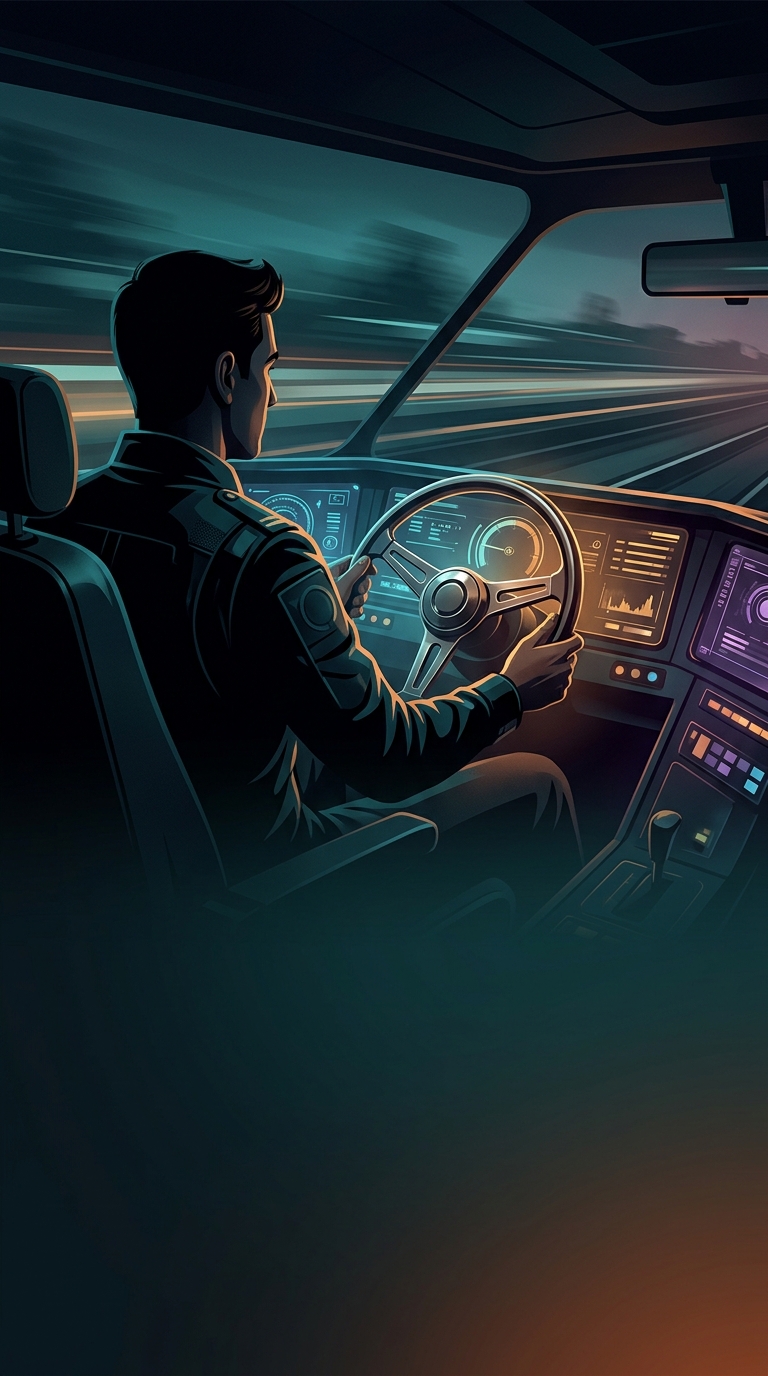
It is a control wheel: a way for the driver to command the train’s traction, or pulling force. Turning it can select how much electrical power the motors receive, moving the train from low power toward stronger acceleration. Depending on the train, the same control or a separate one may also manage braking. The cab’s instruments and control systems translate those commands into coordinated action across the train.
Why use a wheel for the job?
A rotary control can offer a clear, deliberate range of settings. The driver can increase or reduce power in steps rather than making a single all-or-nothing choice. That matters because a long, heavy train takes time to accelerate and stop; smooth adjustments help avoid jolts and keep the ride controlled.
The exact layout varies. Modern high-speed trains often use compact levers, buttons, or electronic controls instead of a prominent wheel, and controls differ by model. But when a large wheel appears in a cab, its role is to regulate how the train moves along the track—not to choose which way the track bends.
The distinction is simple: the rails steer the train; the driver controls its power and speed.