Why a locomotive may idle through a freezing night
A locomotive’s diesel engine is a massive piece of machinery, and in severe cold its temperature can fall far below its normal operating range while parked. As it cools, engine oil thickens and moves less readily through the engine during startup. Cold also makes batteries less effective, so they may have less power available to turn the engine over. Together, those conditions can make a restart difficult and increase wear during the minutes before the engine warms up.
Keeping the engine running preserves heat in the engine and its fluids. That helps the locomotive remain ready to move rather than relying on a cold start after hours outdoors. The risk is not simply that any stopped engine will inevitably freeze solid: the danger depends on the temperature, how long the locomotive sits, and the equipment and precautions available.
The tradeoff: fuel now, reliability later
Idling consumes diesel even when the train is not moving, and it produces exhaust. Railroads therefore weigh that ongoing cost against the possibility of a delayed or failed restart and the disruption of having a locomotive unavailable in cold weather.
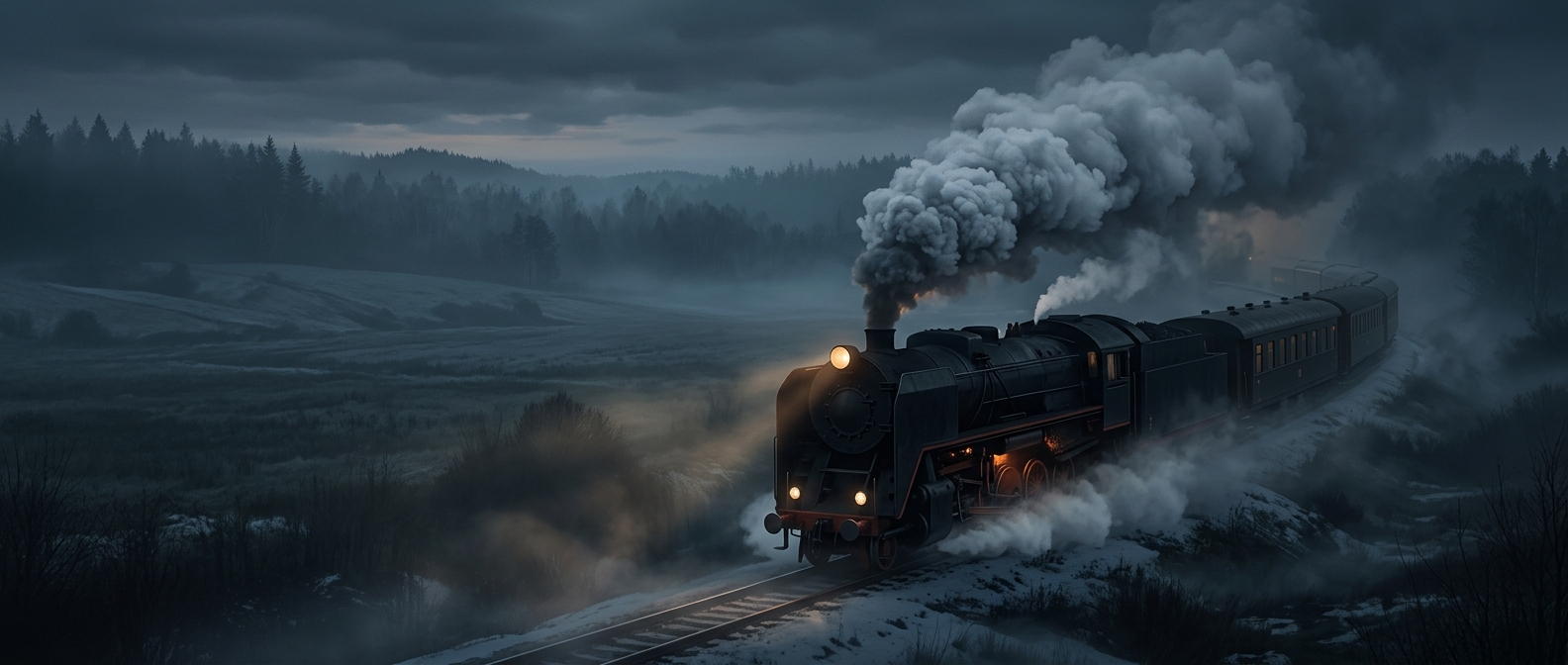
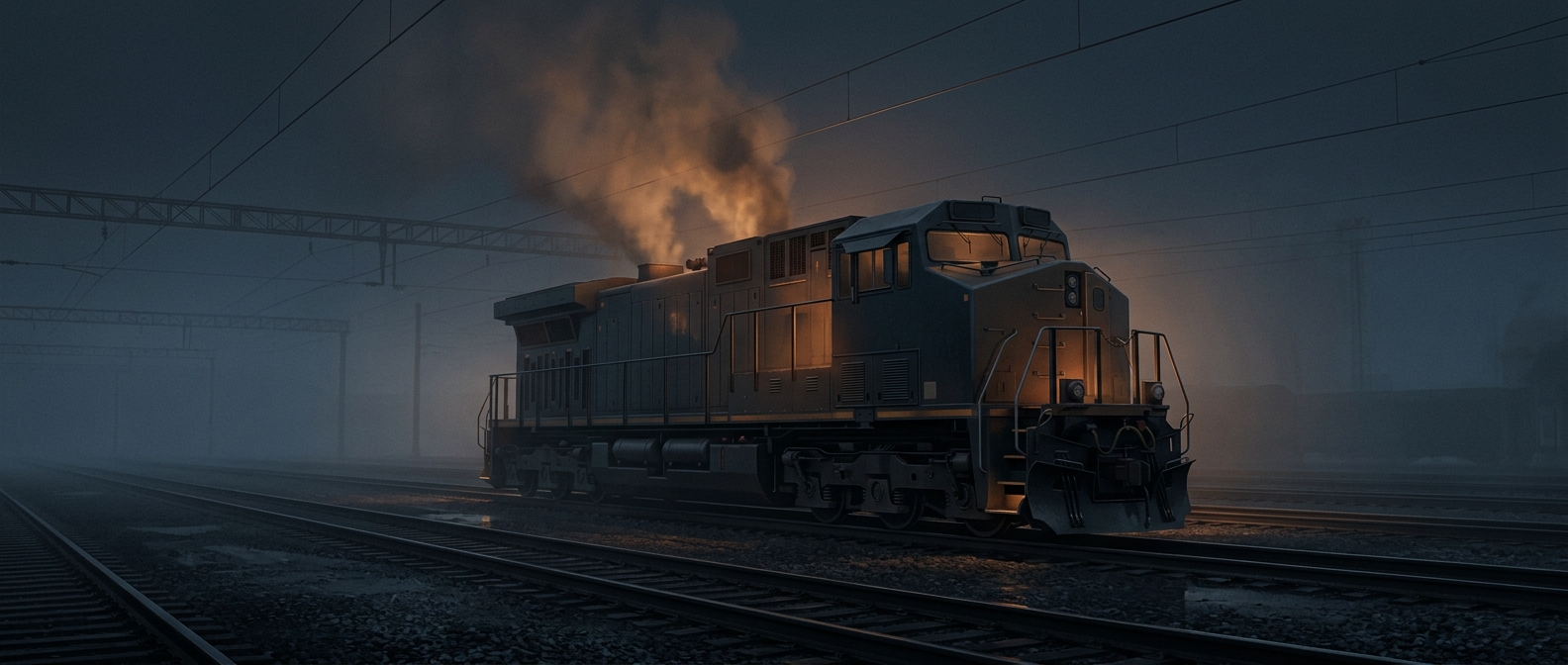
Some locomotives can use systems that keep key components warm without running the main engine continuously. Where those systems are unavailable or unsuitable for the conditions, overnight idling is a practical way to maintain heat. The visible exhaust from a parked train can, in other words, be part of keeping it ready for the next trip—not evidence that it is going somewhere.