Why fine interiors did not mean warm interiors
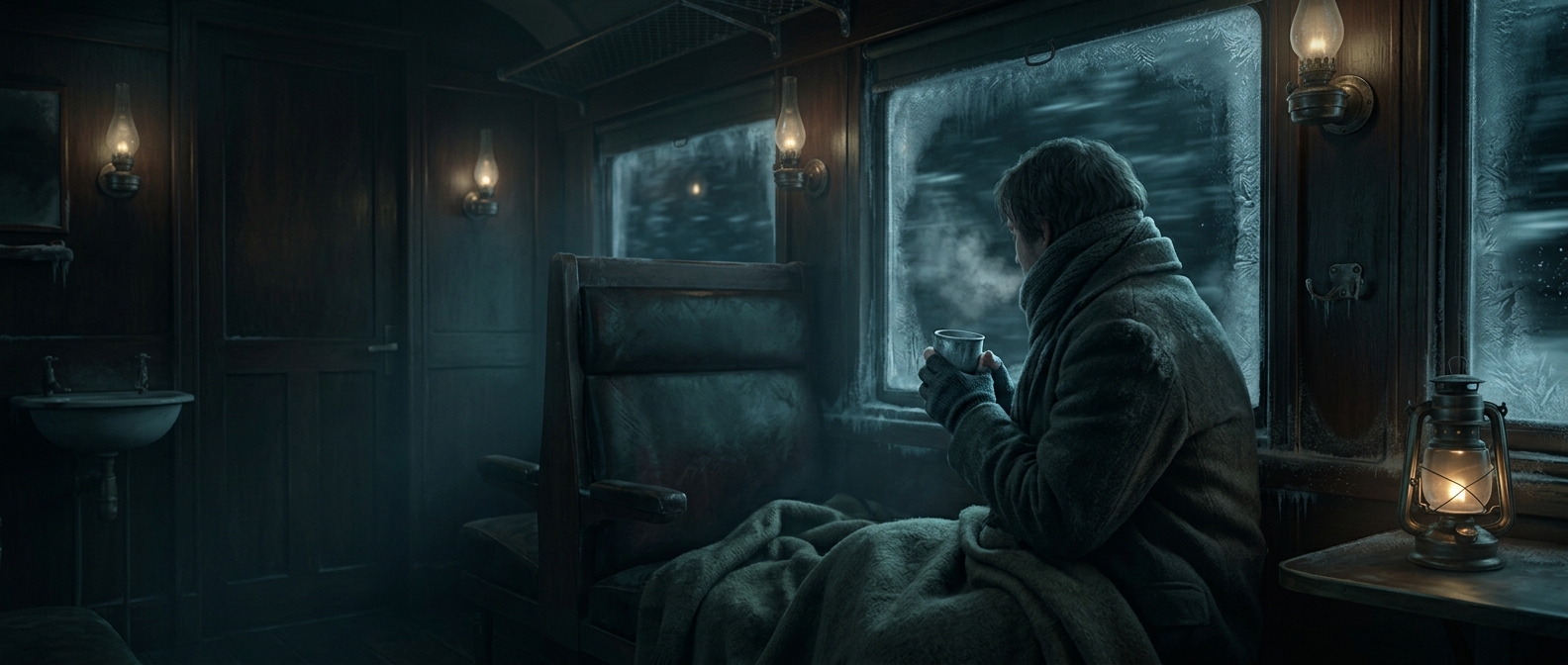
A railway carriage could be richly upholstered and paneled yet still lose heat quickly. Its wooden walls and large windows offered little protection from winter temperatures, while gaps around doors and fittings let cold air in. Once a train was moving, air rushing past the carriage could make those drafts especially noticeable.
Luxury meant comfort by the standards of the time—plush seats, polished wood, attentive service—not the sealed, evenly heated cabin modern passengers expect. A blanket was a practical layer of warmth that passengers could control for themselves.
Heating was difficult to distribute
Early carriages did not have today’s reliable, regulated heating. Some used portable warmers or stoves; these could provide heat nearby but were harder to make consistent throughout a long carriage. A stove also brought a tradeoff: it needed fuel and careful handling inside a moving wooden vehicle.
Steam heating later offered a way to carry warmth from the locomotive through the train, but it took time to develop and did not instantly make every carriage uniformly comfortable. The challenge was not simply producing heat; it was getting enough of it to each seat while limiting drafts and avoiding hazards.
That is why a passenger might ride in an ornate compartment and still pull a heavy blanket over their knees: decoration could signal luxury, but warmth depended on the much less glamorous problem of controlling heat and moving air.