Why a steam ride can leave a mark
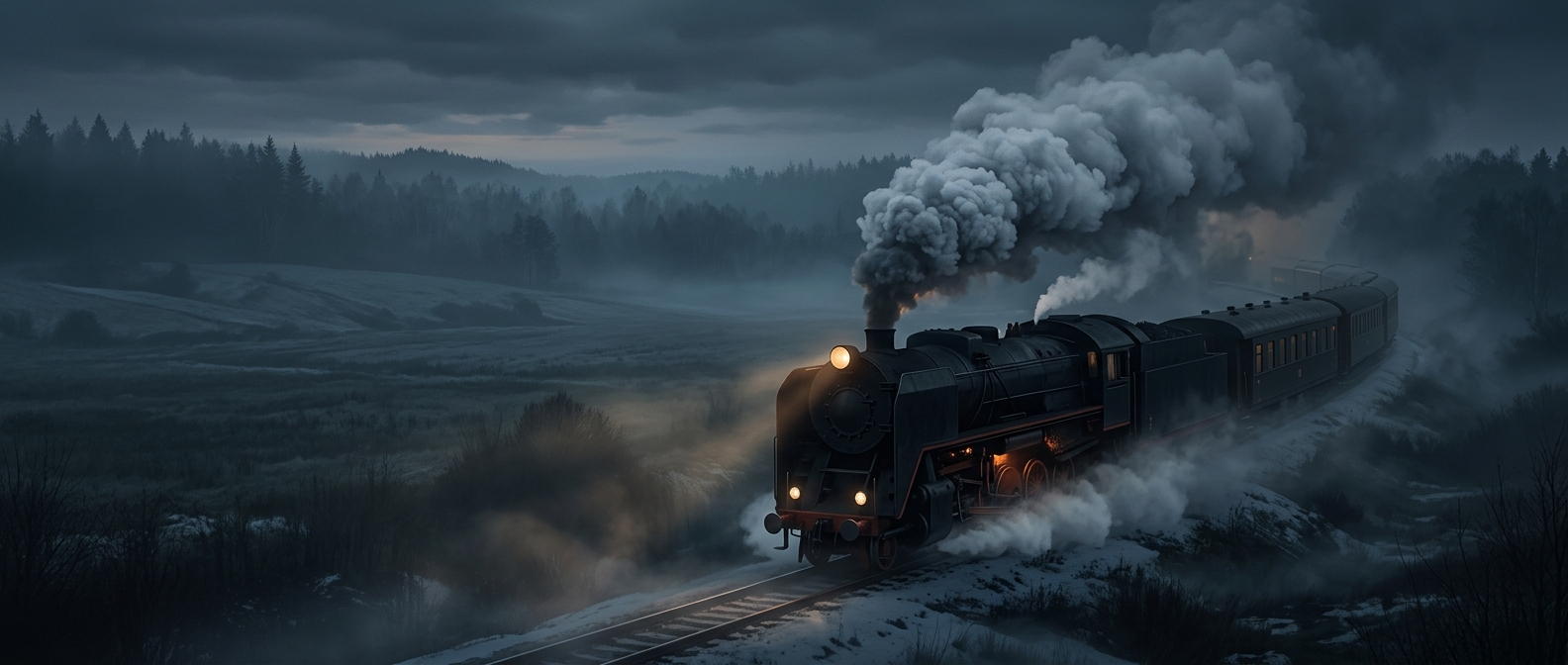
A coal-fired locomotive makes its own power by burning coal to heat water. The resulting steam drives the machinery, while combustion gases and tiny particles of soot escape through the chimney. The white plume is mostly condensed water; the darker smoke carries much of the residue that can settle on clothing.
On a moving train, that residue does not simply vanish behind the engine. Wind and the train’s motion can carry particles along the cars, especially when a window is open or a passenger is standing near the track. A brief ride can therefore bring the engine’s workings close enough to feel—and sometimes to see—on a jacket or sleeve.
The landscape is part of the experience
Steam services that remain in remote parts of Eastern Europe may run on lines where the journey itself is a draw: the slow pace, the sound of the locomotive, and the view from the carriage. The soot is an unplanned souvenir of that older form of travel, not a sign that the train is producing only harmless-looking vapor.
For passengers, the practical lesson is simple: keep windows closed when the engine is working hard or the wind is carrying smoke toward the cars, and avoid wearing clothes that need to stay spotless. The same coal-fired plume that makes the train visible across the landscape can follow it into the carriage.