A bedroom squeezed inside a moving carriage
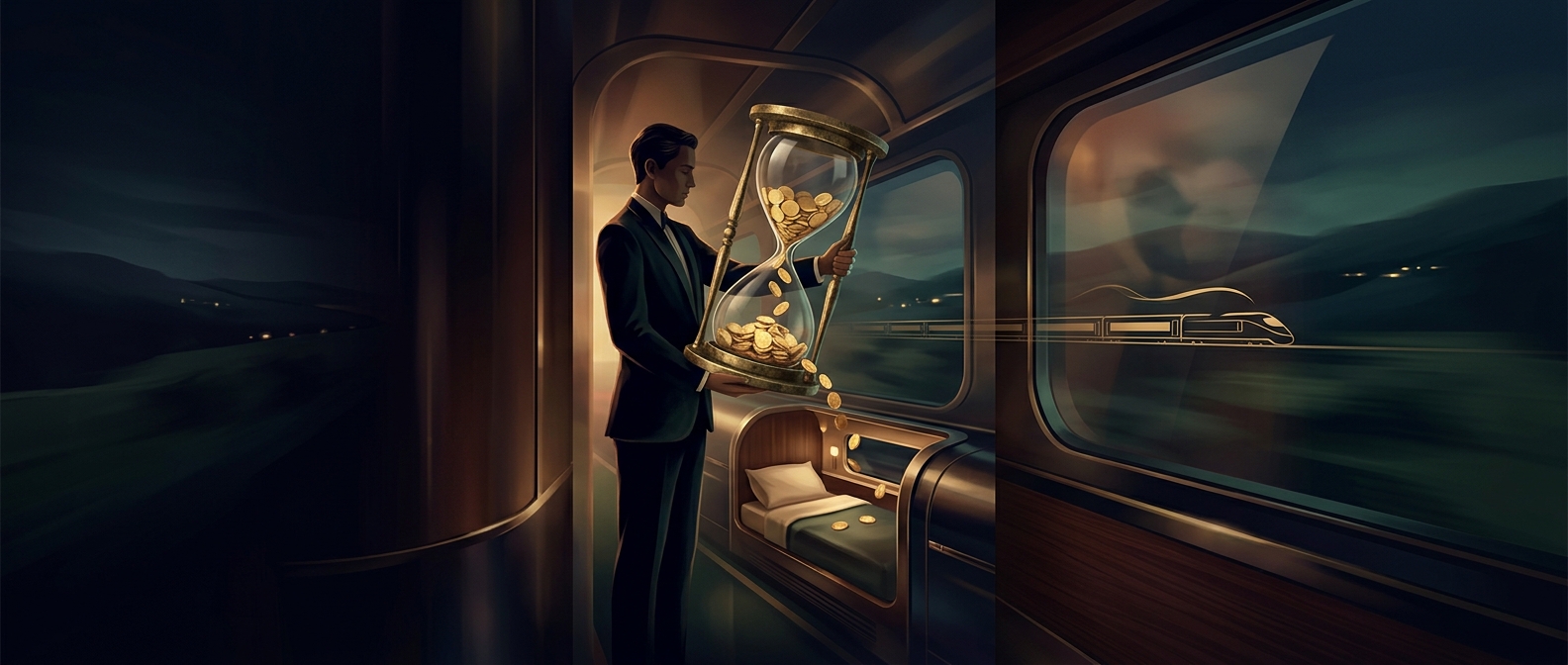
A luxury train cabin has to fit within a long, narrow vehicle that also needs space for a corridor, doors, plumbing and other passengers. Unlike a hotel room, it cannot expand sideways when a designer wants a wider bed. The sleeping space is shaped by the carriage as much as by comfort: a bunk can fold away or sit above another bed, leaving room to move around during the day.
That makes the bed a practical part of the journey, not necessarily the main thing passengers are buying. It provides a place to sleep while the train carries them between destinations; the cabin’s compactness is the tradeoff for having a private room on board.
The room is part of a larger experience
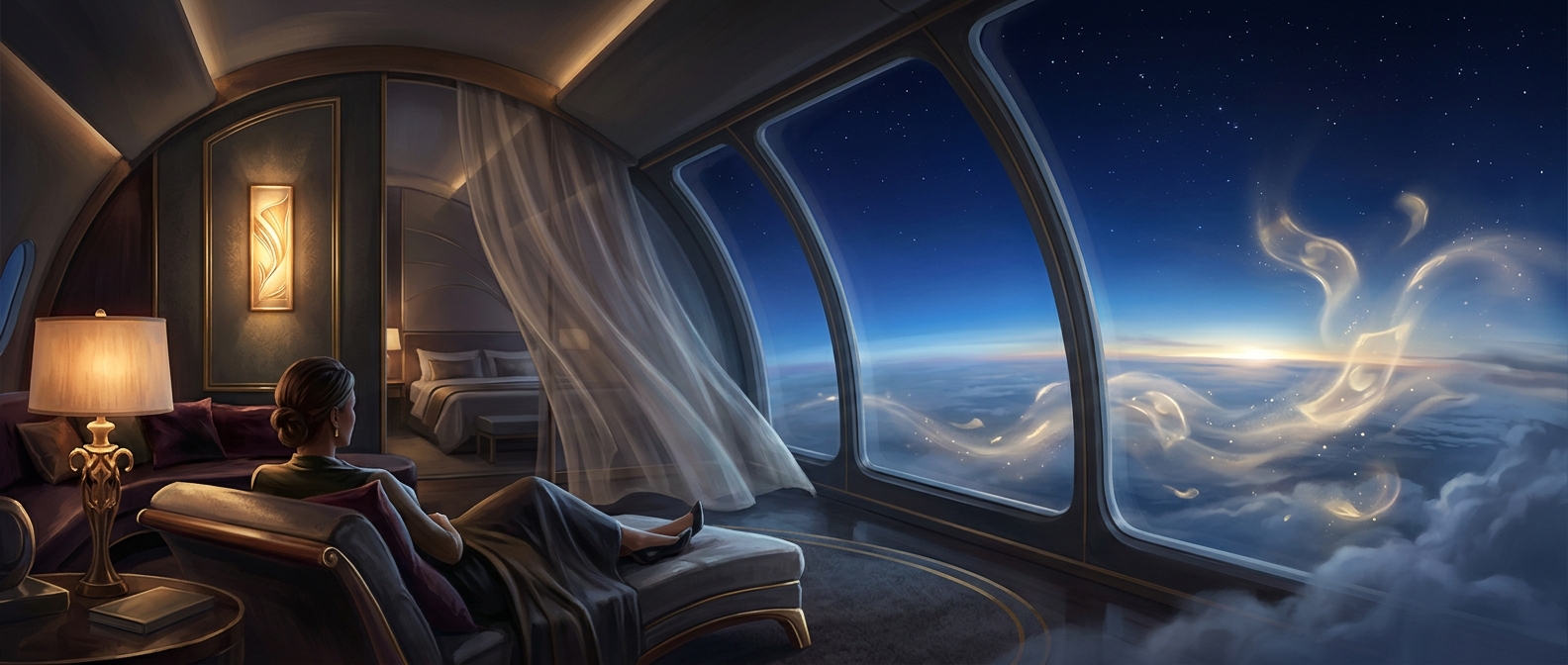
On a luxury train, the appeal can come from spending time in a setting that moves through changing landscapes, with meals and attentive service built into the trip. A hotel offers more space at a stop. A train offers the unusual combination of a private cabin and a route unfolding outside the window.
That changes how passengers judge the narrow bunk. They are not comparing it only with a roomy bed at home. They are weighing it against the whole experience of traveling and sleeping aboard, with the cabin serving as a small, functional retreat between the shared parts of the journey. The bed may be modest, but waking up somewhere new is part of what the fare buys.