Why a Few Inches Change the Whole Cabin
Seat pitch is measured from a point on one seat to the same point on the seat in front of it. It is not the same as usable legroom: the shape of the seat, its cushion thickness, and how far it reclines all affect how much space a passenger actually feels.
The change matters because airlines repeat it row after row. When each row takes up less space, a cabin can fit more of them without making the aircraft longer. That gives an airline more seats to sell on a flight, spreading the cost of operating the plane across more passengers. Across a cabin, a seemingly small reduction can therefore alter both the economics of a flight and the experience of sitting in it.
The Tradeoff Is Felt Most in a Full Cabin
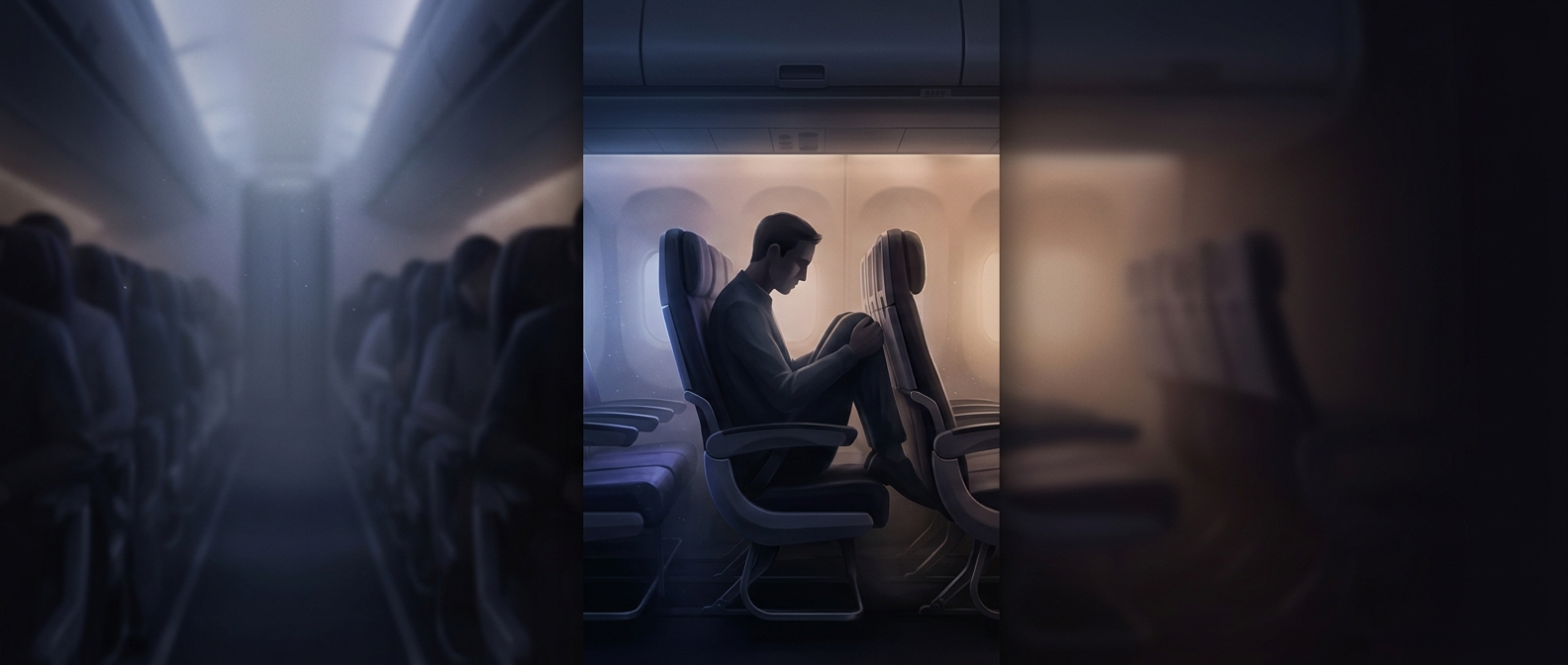
Tighter spacing is especially noticeable when a passenger tries to stretch their legs, get to the aisle, or recline without pressing into the person behind them. It can also make boarding and movement through the cabin feel more cramped. The effect varies by aircraft and seat design, so the same pitch does not guarantee the same comfort from one airline to another.
For travelers, the practical lesson is that a seat map’s row number alone tells little about comfort. Pitch is a useful clue, but seat shape and the layout around a particular row matter too. The airline gains capacity one row at a time; the passenger experiences the cost in the small space between their knees and the seat ahead.