Why an Airline Would Fly Without Passengers
A plane can be empty of passengers without being a pointless flight. Airlines have to get aircraft to the places where their next jobs begin. If a plane ends up in the wrong city after a disruption, a seasonal schedule change, or a maintenance visit, the airline may fly it there without selling seats. These are often called ferry or positioning flights. Pilots and other required crew are still aboard.
Aircraft and crews follow tightly linked schedules. A plane due to depart from one airport cannot do so if it is stranded elsewhere, and moving it by road or rail is not an option. A positioning flight can restore the schedule, help put an aircraft in the right place for maintenance, or return it to service after repairs.
Why Not Just Cancel the Flight?
Some passenger flights operate with very few—or, occasionally, no—passengers because the airline has already committed the aircraft and crew to that route. Canceling can disrupt later flights, connections, and the placement of planes needed elsewhere. The airline weighs those knock-on effects against the cost of flying, including fuel, airport charges, and crew time.
Airport slots can also matter. A slot is permission to take off or land at a particular time at a busy airport. Where rules require airlines to use slots to keep them, a carrier may have an incentive to operate a flight even when demand is weak. The rules and exceptions vary, so this is not a universal explanation for empty flights.
Empty Seats Are Not the Whole Story
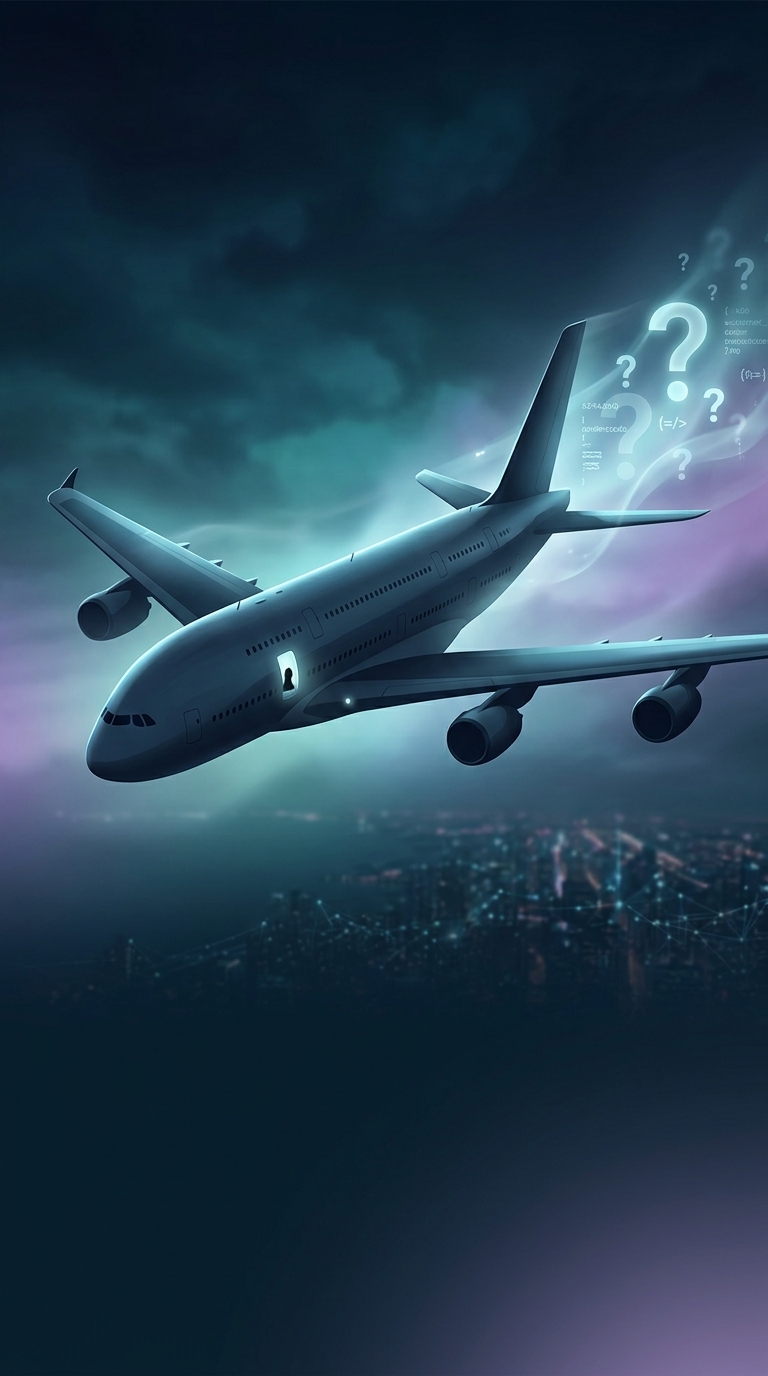
“Ghost plane” can make these flights sound like a routine global practice, but it covers different situations: a passenger service with nobody booked, a nearly empty flight, or a plane flown solely to reposition it. An aircraft with no passengers still consumes fuel and produces emissions, which is why airlines generally have a financial reason to avoid unnecessary trips. When one does fly empty, it is often because the plane needs to be somewhere else for the next part of its work.