The Bridge’s Anchorages Have Room Inside
The Brooklyn Bridge’s stone towers get much of the attention, but the bridge also depends on massive masonry anchorages at either end. These structures hold the main suspension cables in place: the cables pull toward the river, and the anchorages transfer that force into the ground.
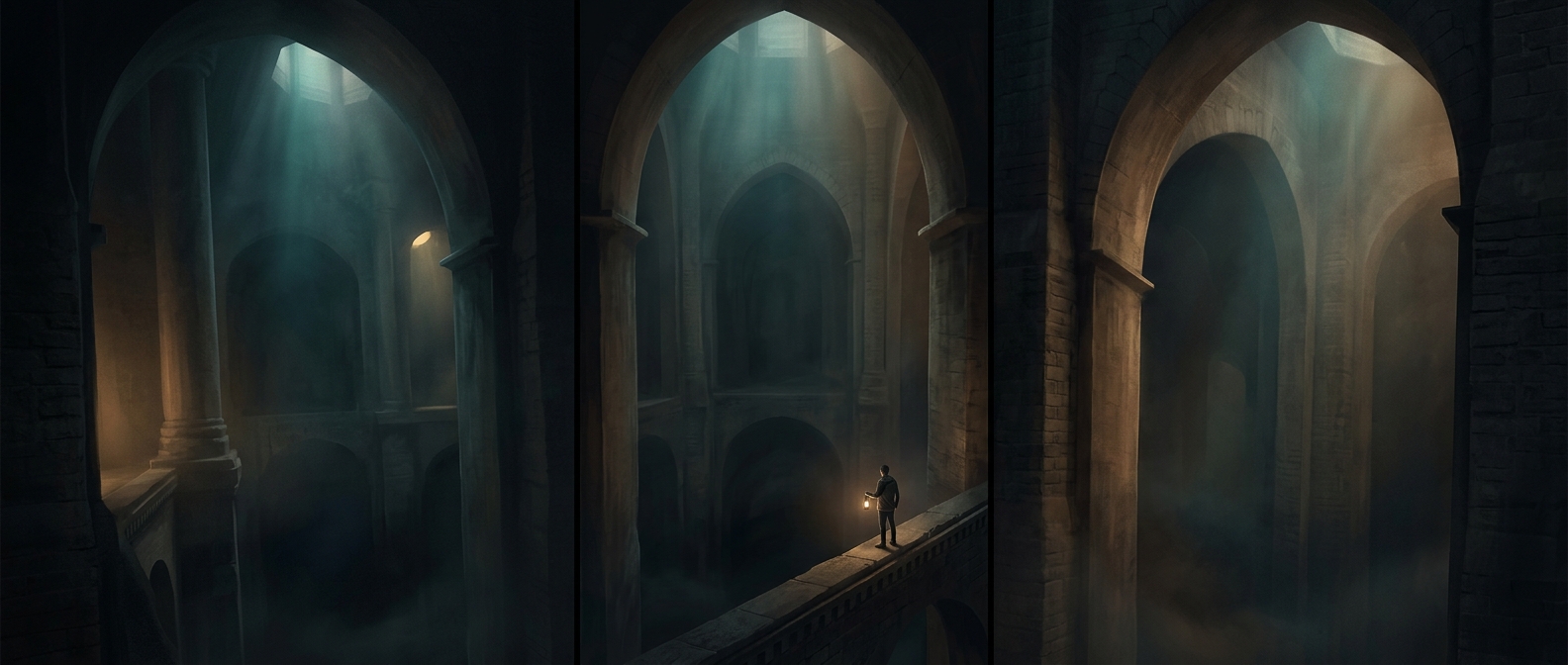
Their interiors are not simply solid blocks of stone. Arches create vaulted chambers within the masonry, leaving enclosed spaces beneath the bridge approaches. Those chambers were structural parts of the anchorages, not rooms designed from the start as public attractions or permanent businesses.
A Convenient Cellar Beneath the Street
The chambers’ thick masonry and sheltered position helped keep them cool, making them useful for storing wine and champagne. Merchants rented some of the space for that purpose. The bridge’s engineering had inadvertently created a cellar-like environment in the middle of a busy city.
That use depended on practical access and commercial tenants, not on the bridge needing the chambers for storage. Once the wine business ended, the vaults had no obvious everyday role. They have consequently remained mostly unused, hidden behind the monumental stonework.
The contrast is part of the bridge’s appeal: a structure built to hold enormous cable forces also contains quiet, cool chambers that once served a very ordinary purpose—keeping bottles at a stable temperature.