Why the Cooking Lesson Trips Players Up
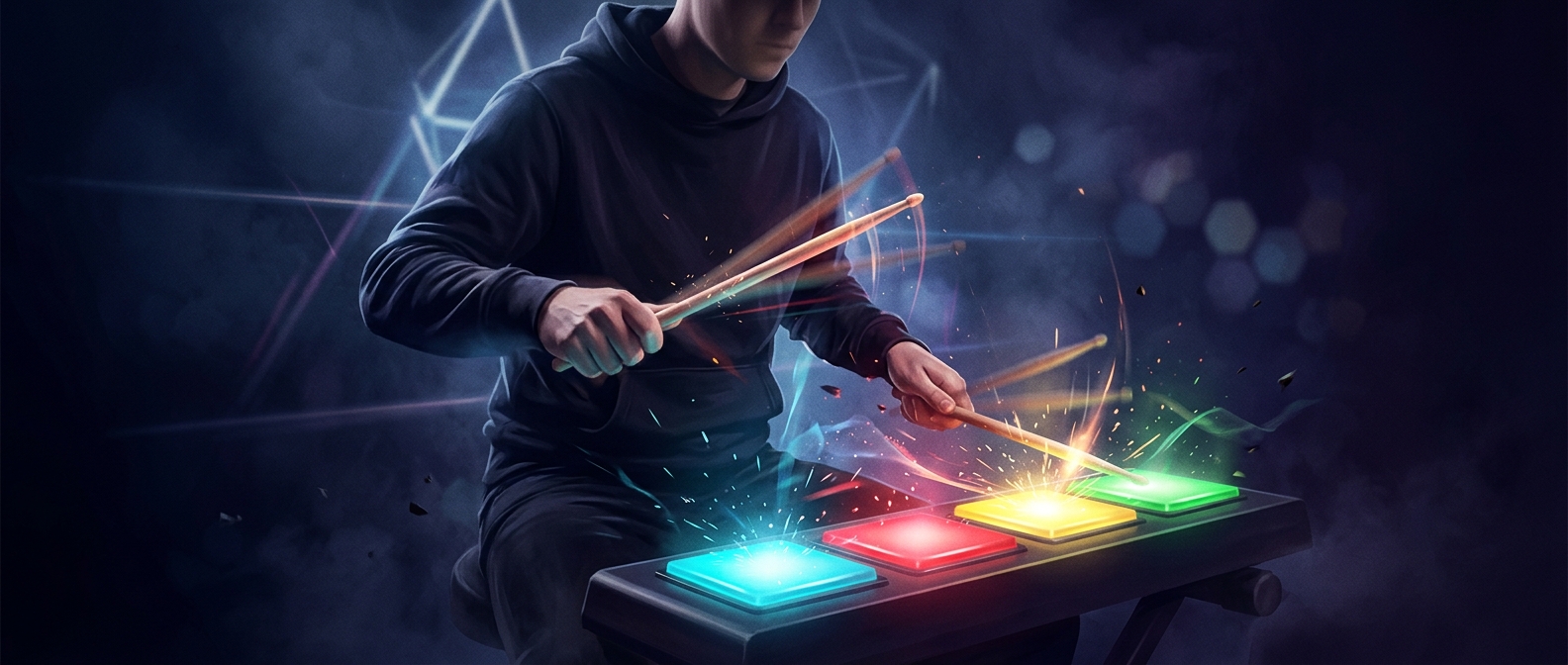
PaRappa the Rapper turns ordinary tasks into rhythm tests: the teacher raps a line, and the player presses the matching buttons in time. The challenge is not simply to remember a recipe or repeat words. Each input has to land on the beat, so a player who knows what comes next can still miss by acting too early or too late.
From Copying to Keeping the Beat
The game first teaches a phrase through the instructor’s performance, then asks the player to reproduce it. That makes listening part of the control scheme. Players must track the rhythm as well as the button sequence, and a stumble can disrupt the flow of the whole line. The cooking stage pushes that lesson into a comic setting: the performance is supposed to produce a meal, so failure has an absurdly literal consequence.
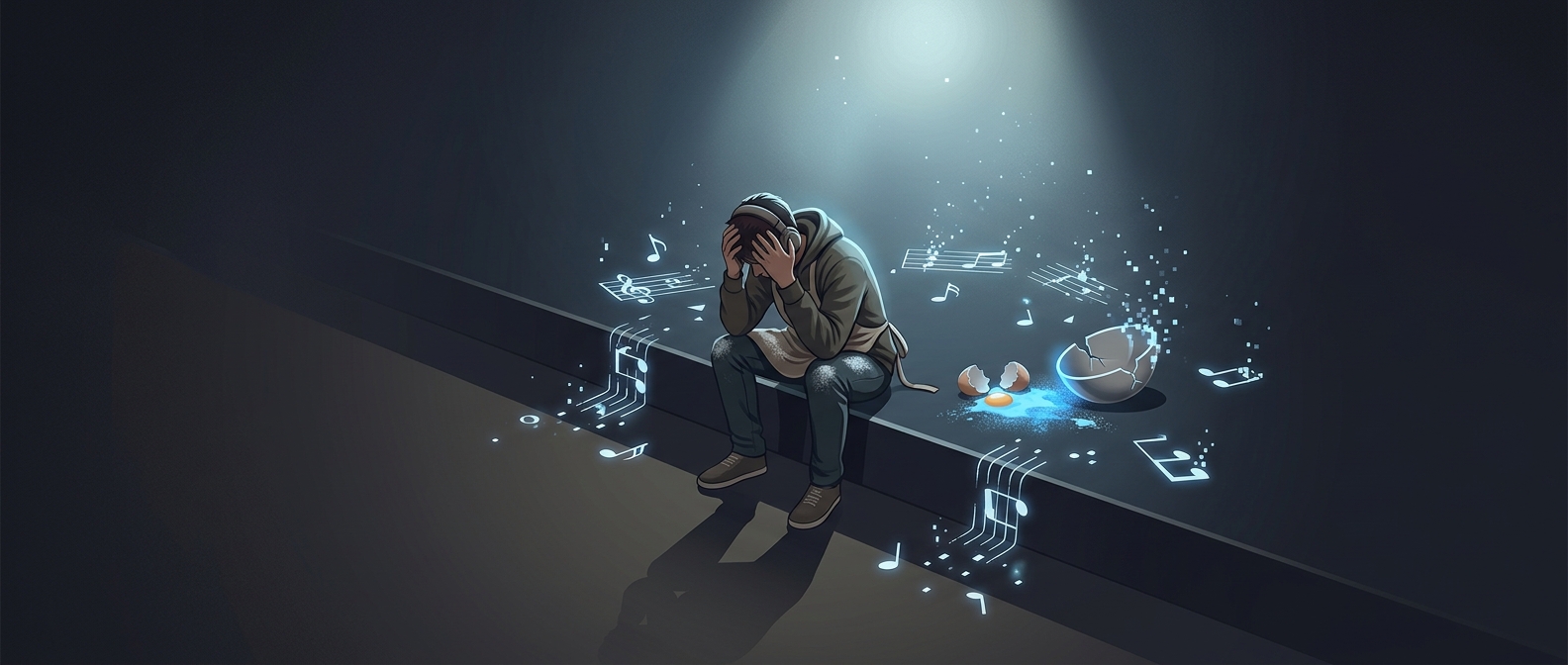
That mismatch is part of the joke, but it also makes the setback memorable. Instead of treating a missed input as an invisible score penalty, the game turns it into a kitchen catastrophe. The player’s task remains musical, while the scene makes every mistake feel like it has gone spectacularly wrong.
A Lesson in Rhythm, Not Just Buttons
PaRappa’s appeal comes from making practice feel like a performance. The cooking stage shows the flip side: when the timing slips, knowing the steps is not enough. Players have to listen, find the beat, and commit at the right moment—or watch the lesson end in a very dramatic mess.