Jung’s hidden layer of the mind
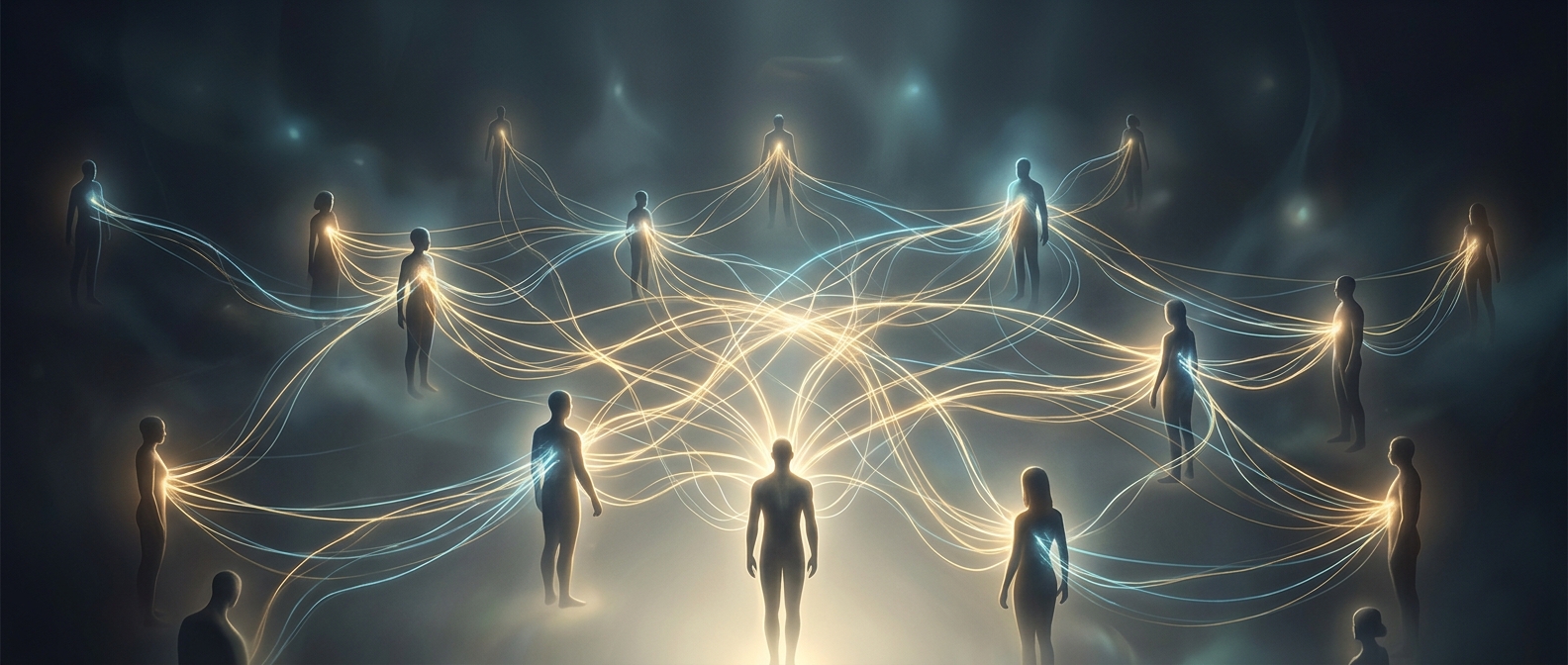
Carl Jung used the collective unconscious to describe a proposed layer of the psyche shared by humanity, beneath personal memories and experience. He believed it held inherited patterns—“archetypes”—that shaped how people imagined powerful figures and events. These were not, in his account, complete stories passed down intact. They were more like recurring mental forms that could take different shapes in different lives and cultures.
Why monsters seemed to fit
Jung saw the recurrence of frightening beings across cultures as a clue to those shared patterns. A monster could embody a fear of what is unfamiliar, dangerous, or beyond human control. Its appearance might vary from one tradition to another, while its role—an encounter with a threatening force—felt recognizable.
The idea offered Jung a way to explain why certain images seemed to resonate beyond an individual’s upbringing. It was a theory about inherited structures of the psyche, not evidence that people literally remember the same ancestral monster. And the resemblance between two stories does not, by itself, establish that they came from a common source.
In Jung’s view, a monster’s enduring power came partly from what it represented: a vivid, culturally shaped image that could give form to fears people felt before they could put them into words.