Why the Holy Can Feel Frightening
Religious experience is often described as comforting or peaceful. Rudolf Otto, a German theologian writing in the early 20th century, focused instead on a more unsettling response: the sense of encountering something sacred that feels utterly beyond ordinary human scale. He called this quality the numinous.
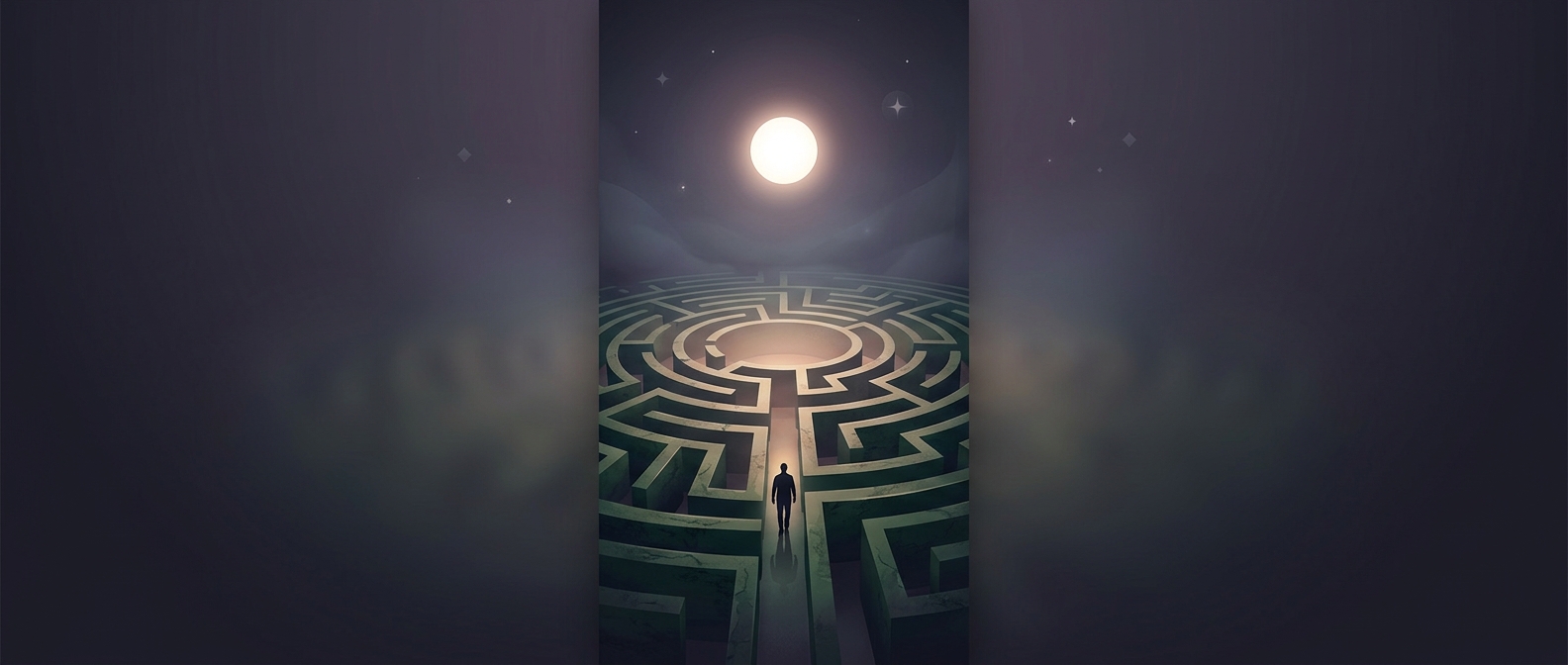
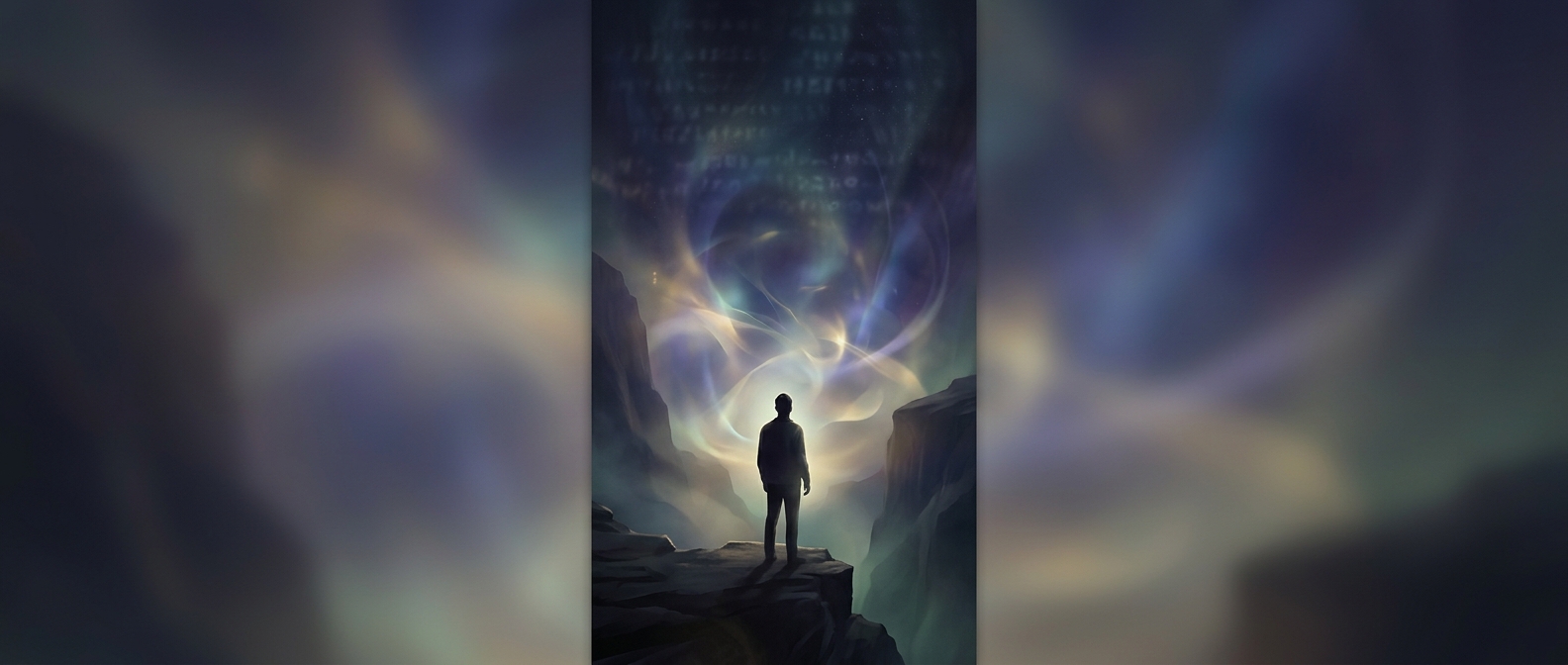
The word names a tension, not a contradiction to be solved. A person may feel drawn toward the mysterious presence and, at the same time, feel small, exposed, or afraid before it. The attraction comes from a sense of significance or awe; the fear comes from confronting what seems powerful and impossible to control.
A Human Reaction to the Unfamiliar
Otto used the term to describe how the sacred can be felt before it is explained in doctrine or reduced to a moral lesson. The experience might be described through images of overwhelming majesty, uncanny mystery, or a presence that seems both inviting and inaccessible. These are ways people interpret an encounter, not proof that a supernatural being has appeared.
The idea helps explain why religious language and art so often combine beauty with danger: radiant light can inspire reverence, while thunder, darkness, or vastness can suggest a power before which ordinary confidence falters. The same response can make a person want to approach and to keep a respectful distance.
Awe With an Edge
“Numinous” is useful when “wonderful” sounds too pleasant and “terrifying” misses the pull toward what is feared. It describes the unsettling force of an experience that feels sacred precisely because it exceeds familiar categories—leaving someone captivated, yet aware of how small they are.