How a message gets stranded
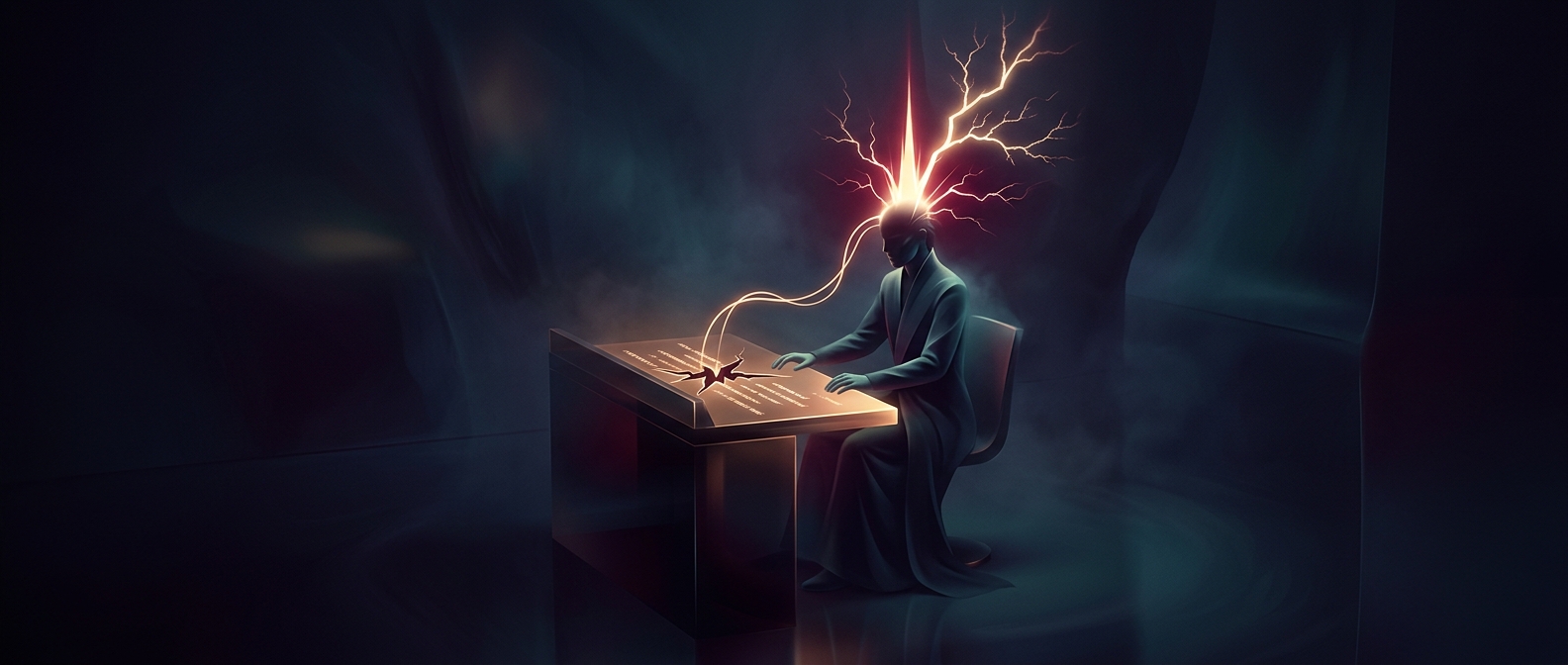
The two halves of the brain normally exchange information through the corpus callosum, a thick bundle of nerve fibers. In some people with severe epilepsy, surgeons cut this connection to keep seizures from spreading as easily from one hemisphere to the other. The operation can leave the halves with much less direct communication, though they still share other routes and the person remains a single, functioning individual.
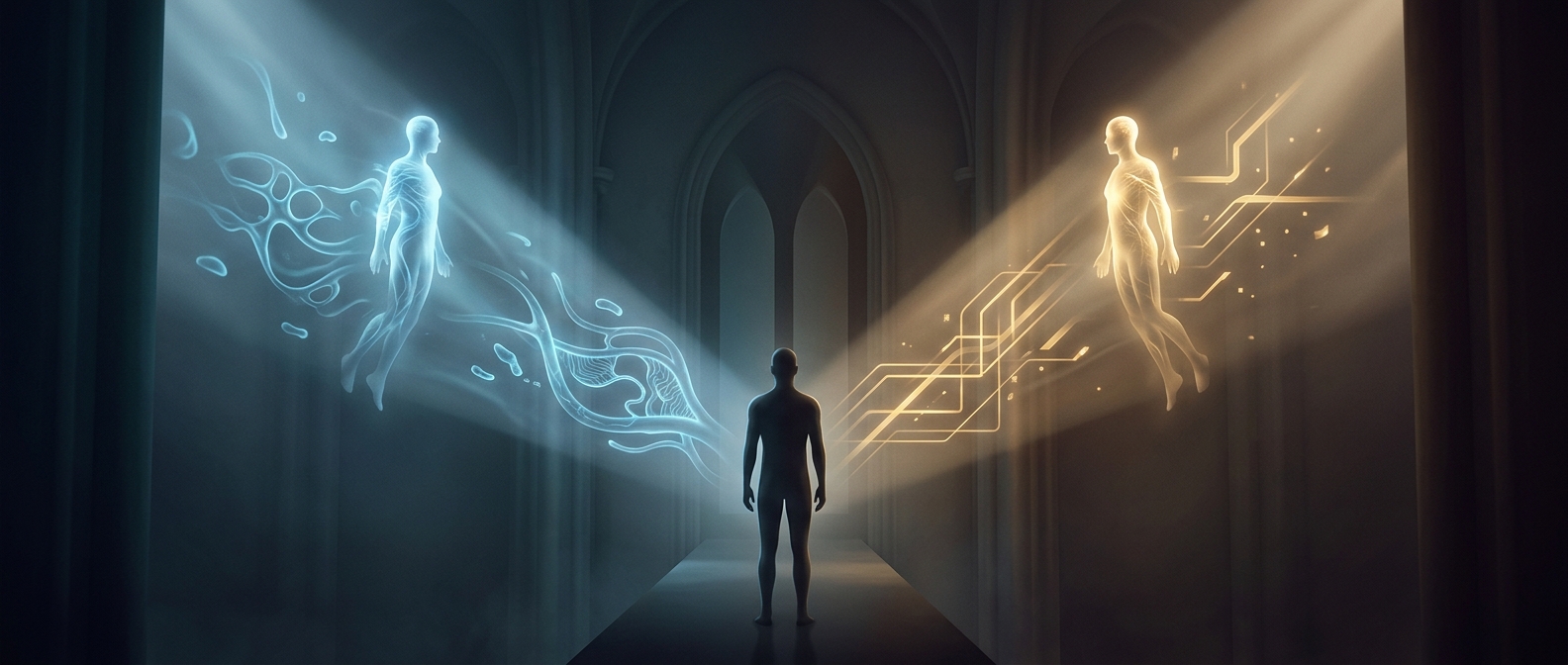
The separation becomes visible in carefully controlled tests. Each hemisphere mainly receives information from the opposite half of the visual field, and each mainly controls the opposite hand. Language is usually strongest in the left hemisphere. If a word or picture is flashed briefly to the left side of a patient’s view, the right hemisphere may register it while the language-dominant left hemisphere does not. The patient may be unable to say what appeared, yet may use the left hand to point to a matching object.
The brain’s explanation for an unexplained action
A striking mismatch can occur when the left hand acts on information the speaking hemisphere never received. Asked why the hand chose a particular object, the person may offer a plausible reason, even though that reason did not cause the choice. The left hemisphere is working with incomplete evidence and trying to make the person’s behavior coherent; it supplies an explanation rather than reporting the hidden instruction.
This is not ordinary lying, nor proof that every split-brain patient has two separate selves. It reveals how readily the mind builds a story from the information available to it. In the right conditions, one hand can show what the speaker cannot know—and the speaker may still feel certain about the explanation.