Why Fast-Food Chains Put Ordering on a Screen
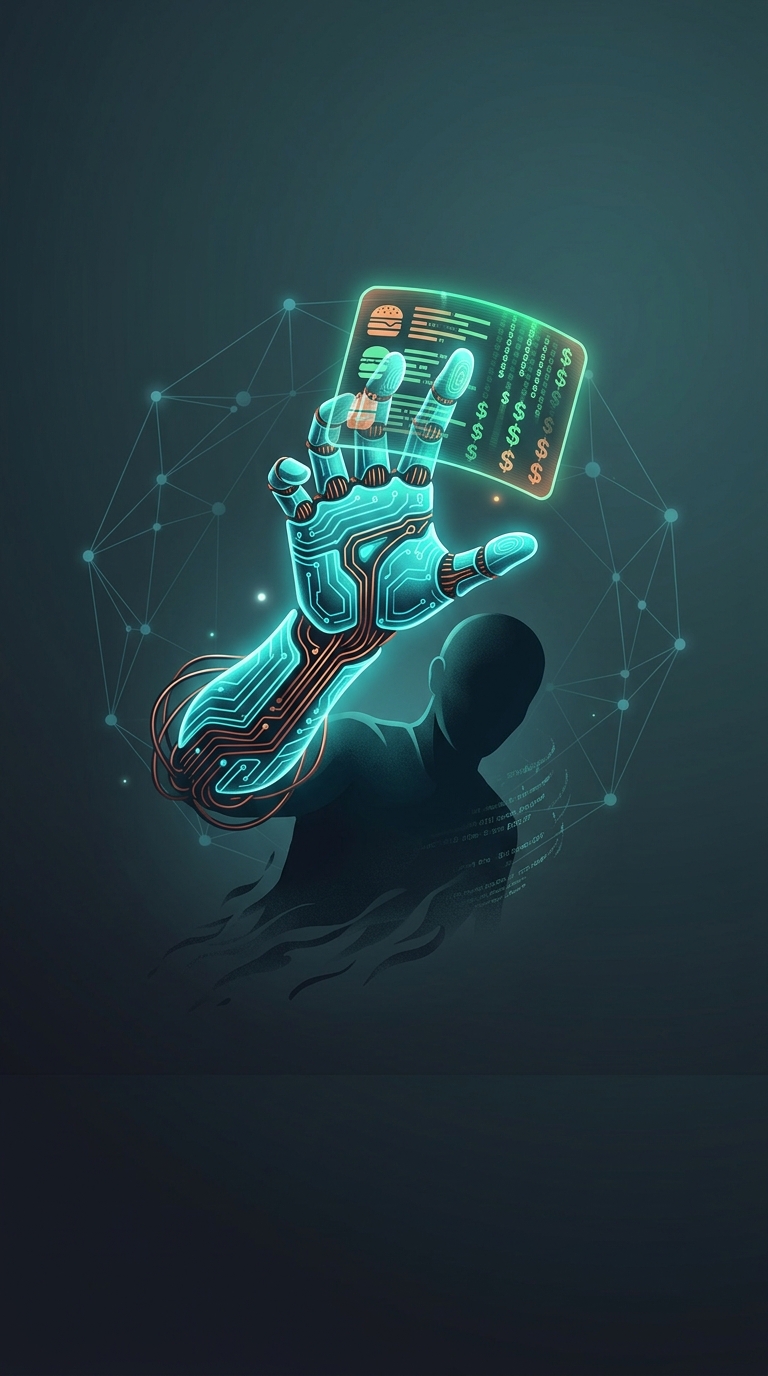
A touchscreen does more than take a cashier’s place. It turns ordering into a process the restaurant can standardize, measure, and adjust. Every customer encounters the same menu layout and prompts, while the business can see which options people select and where they abandon an order.
That information can help managers refine menu placement and promotions. A screen can also offer an add-on—fries, a drink, or an extra topping—at the moment a customer is choosing, without relying on a cashier to remember a sales script. Even a small change in how often customers accept those offers can matter across a busy chain.
The Tradeoff: Control Versus Human Help
Self-service can make ordering more consistent and free employees to focus on preparing food, handing out orders, or keeping the dining room moving. It can also let customers take their time navigating choices rather than holding up a line while they decide.
But the screen does not eliminate work so much as shift it. Staff still need to help customers who are confused, resolve ordering mistakes, and keep the machines working. A kiosk can be slower than a person for someone with an unusual request or difficulty using the interface, and a technical problem can disrupt the whole ordering flow.
A Business Tool, Not Just a Labor Substitute
Wages are part of the calculation, but screens also give chains a more controlled way to present choices and encourage add-ons. The payoff depends on whether those benefits outweigh installation, upkeep, and the customer frustration a poorly designed system can create. The cashier’s job may disappear from the counter, but the deeper change is that the restaurant now shapes the sale through software.