Why a Thumb War Can Hurt Beyond the Thumb
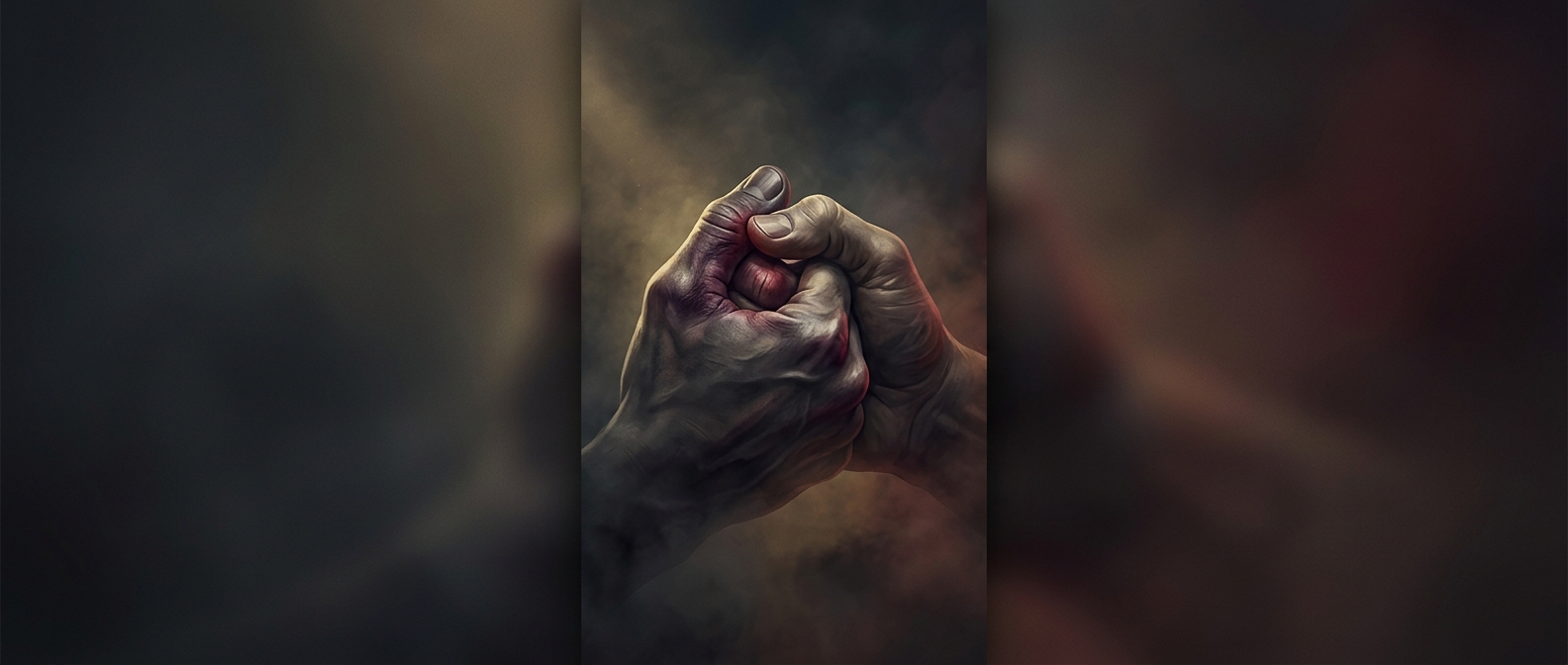
A thumb war looks like a contest between two thumbs, but the rest of each hand is part of the playing field. Players hook fingers together and press their palms together, leaving the knuckles and fingernails close to an opponent’s skin. When hands twist, slide, or tighten suddenly, that cramped arrangement can turn a playful struggle into a scrape or impact.
The Pinch Hidden in the Grip
The hand lock gives each player leverage: movement of the wrist and fingers can steady the thumb or help it break free. But it also brings hard edges into contact. A fingernail driven into the other hand can concentrate pressure on a small patch of skin, making it sting more than a broad push. That is why a nail pinch feels less like clever thumb strategy and more like an attack on the grip itself.
Rules are often informal, so players may disagree about what counts as fair. A useful boundary is to keep the contest focused on the thumbs, rather than using nails, twisting fingers, or squeezing the locked hands. The game’s harmless appearance depends on how gently the surrounding hands are handled.
When the Grip Becomes the Real Contest
If the hands are clamped too tightly, a player may focus on escaping the grip instead of trying to pin the opponent’s thumb. Loosening the hold or stopping gives both players a chance to reset. In a game built around close contact, the small decision to keep nails out of the contest can matter more than winning the pin.