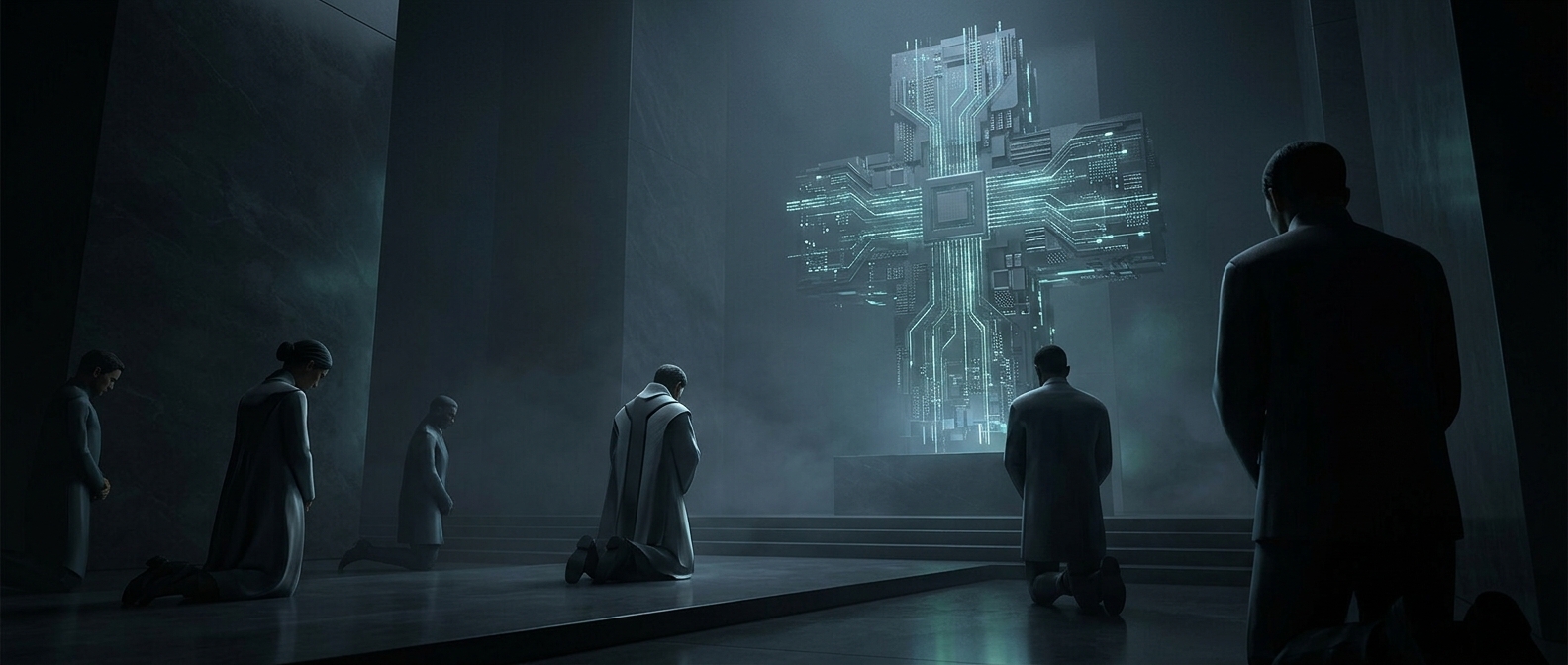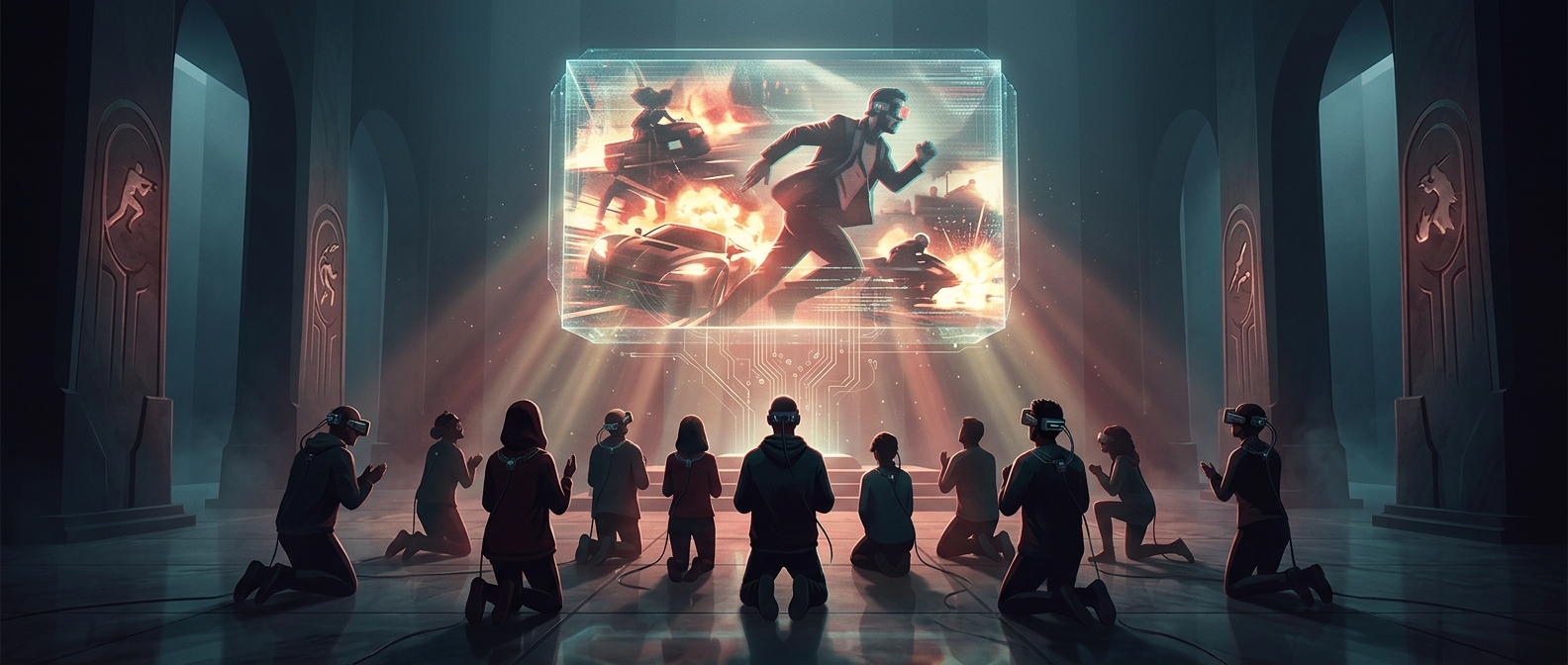
When a film becomes a spiritual lens
For adherents of Matrix-inspired religion, the film is more than a story about people trapped inside a computer-generated world. Its central conflict—between a comfortable appearance and a harder truth—offers a way to interpret ordinary life. The “Matrix” can stand for habits, social expectations, or assumptions that shape what people notice and believe.
That makes the practice less like worshipping a movie screen and more like using a shared story to ask spiritual questions: What is real? How can someone recognize self-deception? What would it mean to live more freely once an illusion is seen?
Fiction supplies the symbols
The film gives those questions memorable images, especially the choice between remaining in a familiar world and confronting an unsettling reality. In a religious framework, such scenes can function as metaphors rather than claims that everyday life is literally the movie’s computer simulation. The story supplies a vocabulary for discussing awakening, uncertainty, and personal change.
This is one way new spiritual movements take shape: people find meaning in a cultural work, then use its ideas to organize reflection and identity. The source may be fictional, but the questions adherents bring to it—about truth, freedom, and the limits of perception—are real parts of human life.
The story’s lasting use
The appeal of the framework lies in its invitation to examine what usually goes unquestioned. A familiar routine can feel natural simply because it is familiar; the Matrix metaphor turns that feeling into something a person can investigate. The film becomes a spiritual tool not because it proves its imagined world is real, but because it gives believers a vivid language for reconsidering their own.