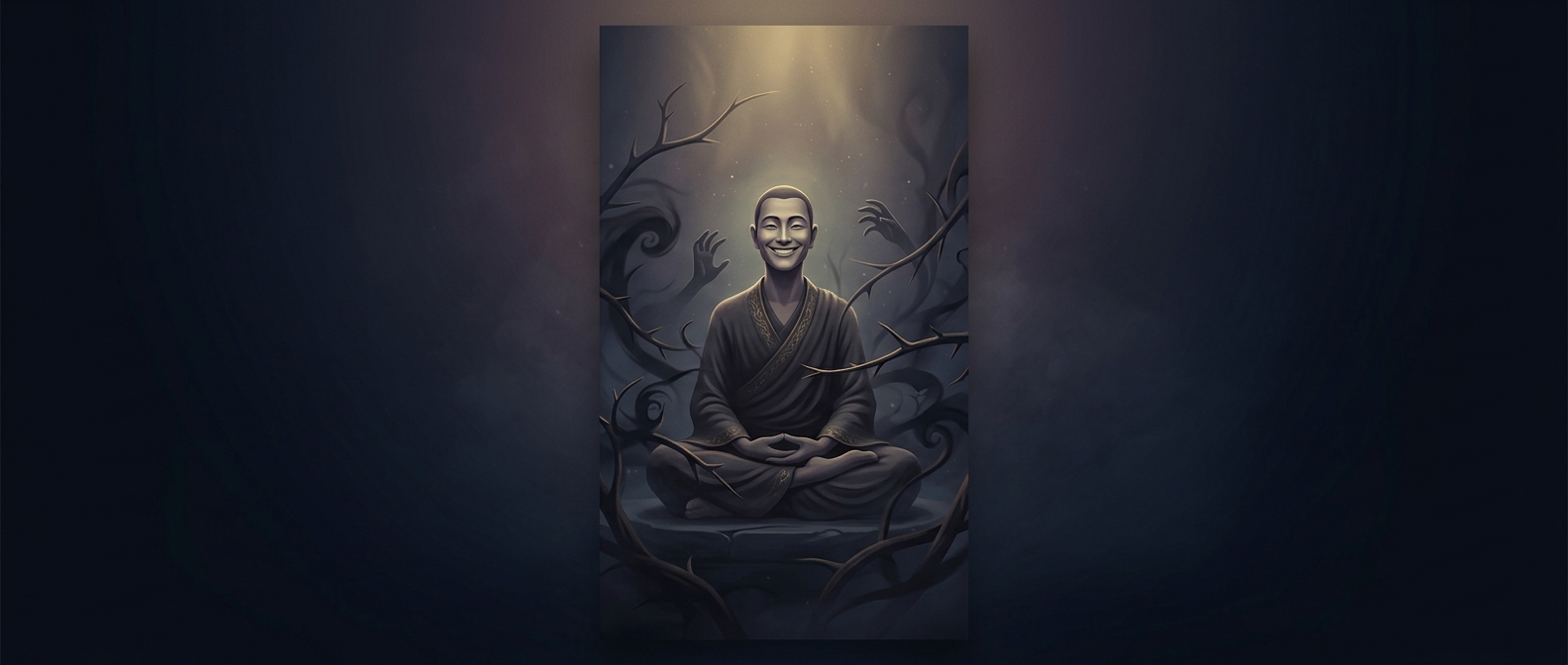
When a Misspelling Becomes a Sign
In esoteric reading, an apparent mistake can seem less like noise and more like a clue. If a text is believed to carry meanings beyond its plain wording, an unusual spelling may invite the question: why this form, rather than the expected one? The reader may treat the difference as deliberate, then search for a symbolic association, a hidden pattern, or a second layer of meaning.
That shift depends on a basic interpretive choice. An editor asks which wording was intended and corrects what looks accidental. A mystical reader may instead preserve the oddity because its very irregularity seems significant. The spelling becomes a focal point: attention gathers around it, and familiar letters or sounds can acquire meaning within the reader’s spiritual framework.
Why the Reading Can Feel Convincing
A typo is unusually open to interpretation. Unlike a clear instruction, it does not specify what it means, so the reader supplies a connection that fits the surrounding beliefs. Once a proposed meaning feels resonant, the misspelling can appear to confirm that the text contains a message meant to be uncovered. This is a way of making meaning, not proof that the error was intentionally encoded.
The result is a different idea of what careful reading requires. Rather than smoothing away every irregularity, the practitioner may regard it as something to contemplate. An editor sees a flaw to repair; a mystic may see the very detail that makes the passage seem charged.