The Folded Question Creates a Test of Trust
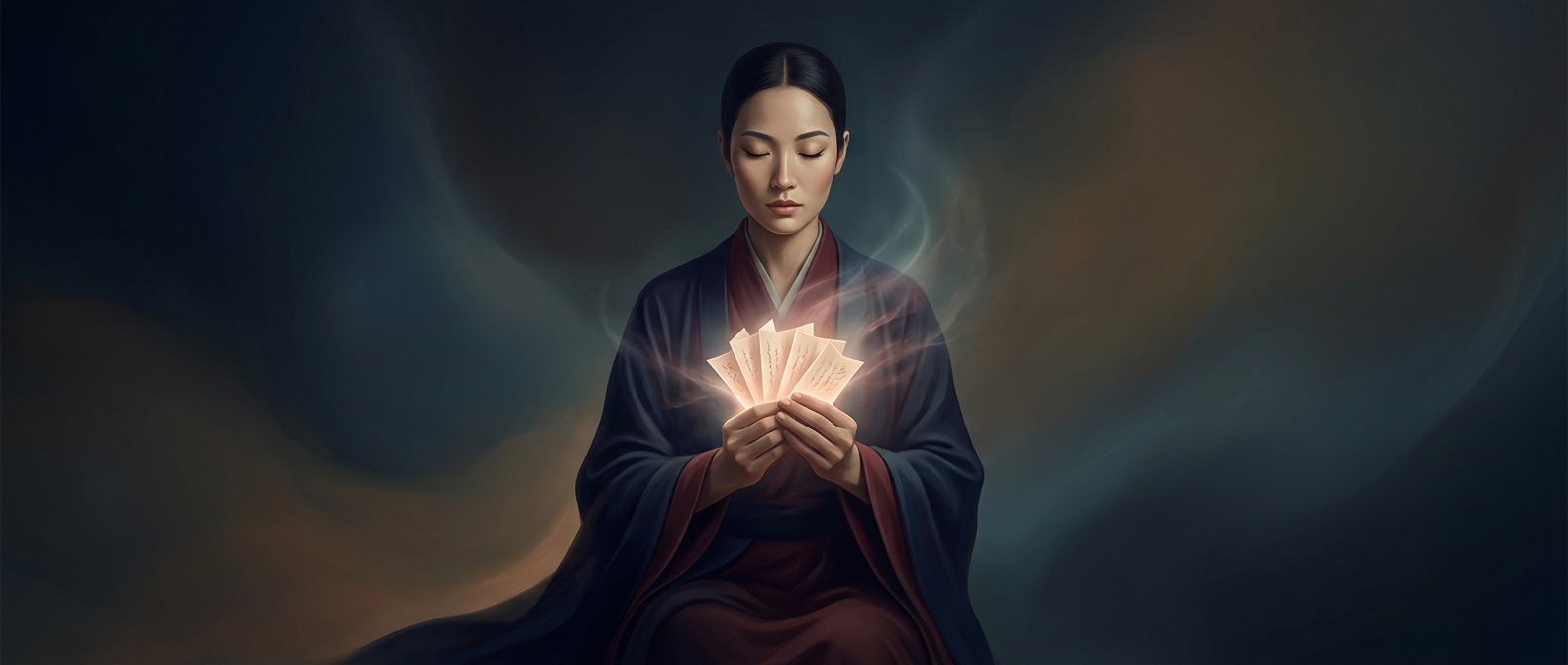
A folded slip seems to protect a question from view: the writer knows what is inside, while the performer appears to have no way to read it. That gap is the heart of the demonstration. The audience is invited to treat a fitting answer as evidence of divine insight, even though the setup itself does not establish how the performer obtained the information.
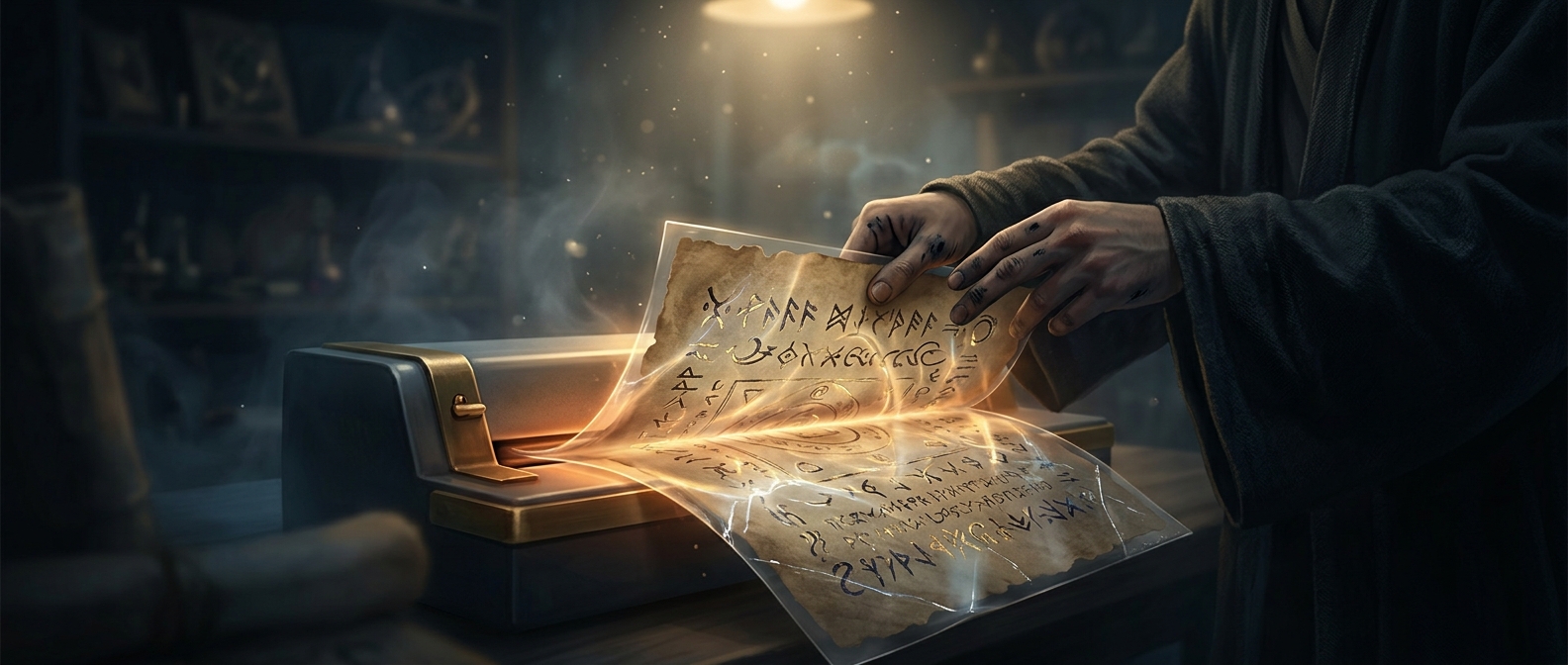
The paper is therefore more than a container. It makes the question feel private and gives the moment a clear sequence—write, fold, hand over, answer. Each step strengthens the impression that the answer came from somewhere beyond ordinary observation. But a folded slip is not automatically an unreadable one. Handling, timing, or other forms of sleight of hand may leave room for information to be discovered without the audience noticing.
Why the Answer Can Feel Convincing
The effect also depends on interpretation. A response that seems unusually apt can make a spectator remember the match more strongly than any vagueness or mismatch. In a performance framed as divine insight, the same answer may be understood as a sign; in a magic performance, it may be understood as a concealed method. The visible actions alone cannot settle which explanation is true.
That ambiguity is part of the scene’s power: the slip looks sealed, the eyes are closed, and the answer arrives anyway. The audience is left weighing the meaning of the answer against the possibility that the secret was in the handling, not in the heavens.