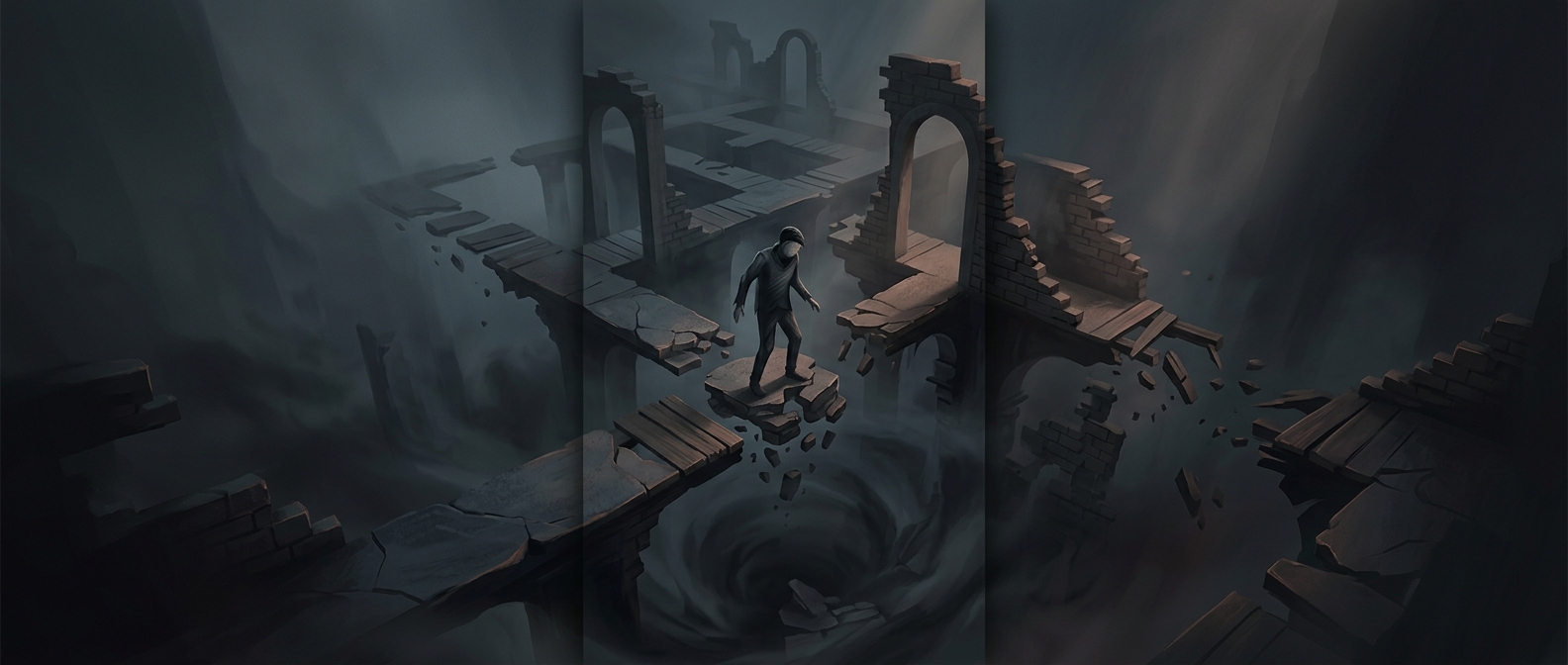
A lie turns one answer into several tasks
When someone answers a question truthfully, they can often draw on a memory and say what they recall. A lie may require a more complicated sequence: keep the true answer from slipping out, construct a plausible alternative, and check that the alternative fits the situation. Each task competes for working memory—the limited mental space used to hold and manipulate information in the moment.
That is why even a simple question can become demanding. A person might need to remember what the listener already knows, which version of events they have offered, and whether a new detail would conflict with an earlier one. The answer is not just a sentence; it is part of a story that must remain consistent.
The weak point is keeping the story straight
The extra effort often shows up in monitoring. Someone telling a lie has to watch their own words while also anticipating what the other person may ask next. If a detail is forgotten, they may contradict themselves—or pause to rebuild the version they intended to give. A small inconsistency can then invite follow-up questions, adding still more mental work.
This does not mean every lie is difficult or that hesitation proves deception. A rehearsed answer can become familiar, while an honest answer about a complicated or stressful event can also take effort. But when a lie requires suppressing a known fact and maintaining several invented details, the mind has more pieces to keep track of. The construction can unravel at the point where one forgotten detail no longer fits.