Why astrologers call it a sesquiquadrate
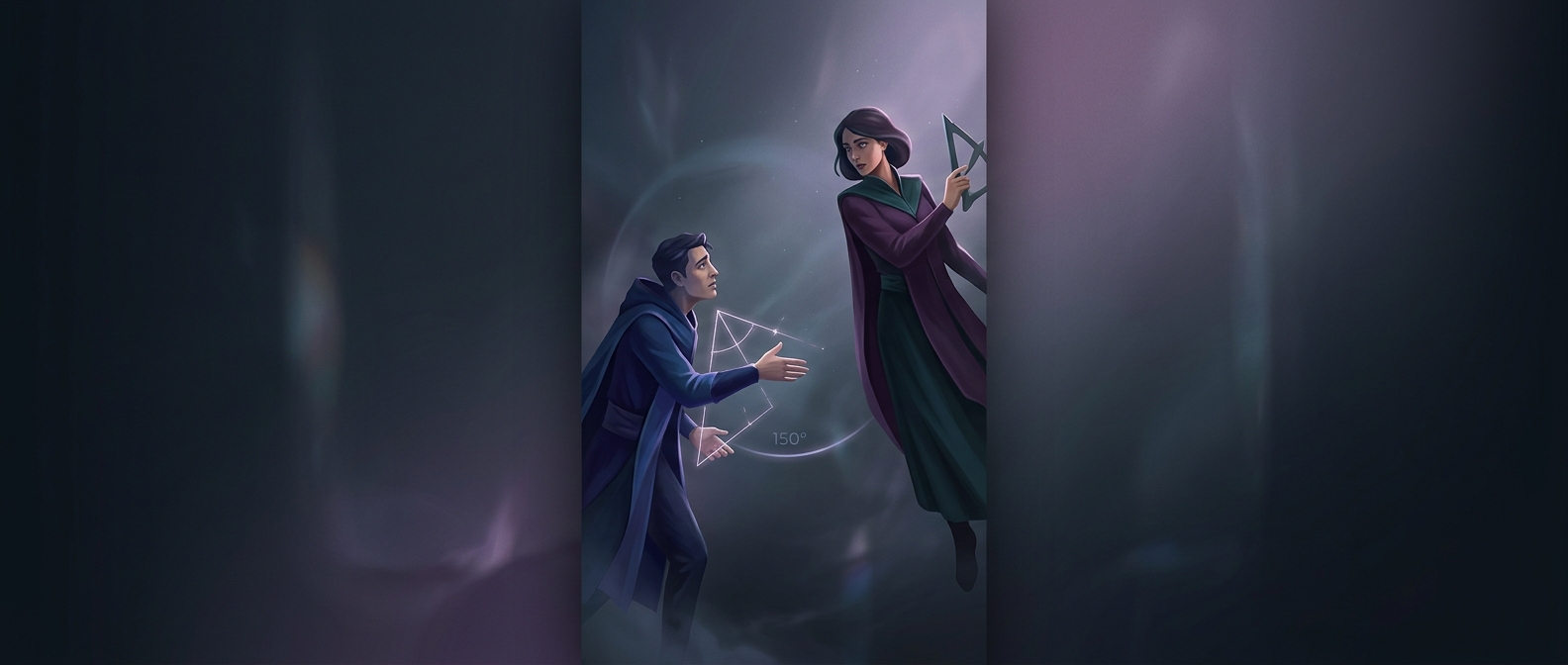
A sesquiquadrate is an astrological aspect: the name astrologers give to a particular angular relationship between two planets in a birth chart. It forms at about 135 degrees—one and a half times the 90-degree angle called a square. The “sesqui” means “one and a half,” a clue to the geometry behind the term.
Astrologers generally read the aspect as a source of friction, but not necessarily a dramatic clash. Its tension is often described as indirect: something feels slightly out of alignment, calls for adjustment, then seems to snag again. The planets involved shape the interpretation, while their signs and houses add themes and areas of life.
How small tensions become a pattern
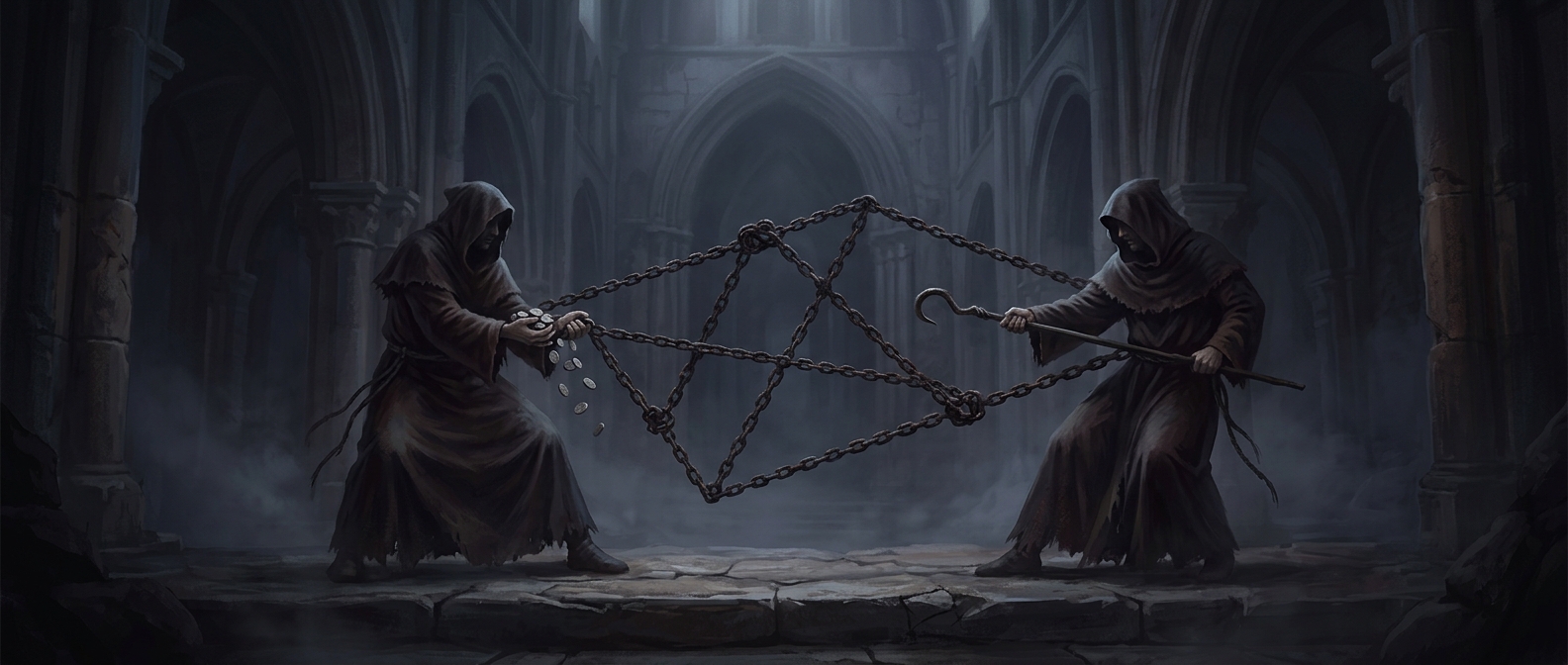
In this symbolic framework, the point is less that one event causes a crisis than that unresolved pressure can keep resurfacing. An impulse to act might repeatedly run into a need for caution; a desire for comfort might conflict with demands for change. Each clash can seem minor on its own, yet the repetition makes the pattern hard to ignore.
That is why sesquiquadrates are associated with stop-start experiences and irritations that accumulate. Astrologers may treat the recurring snag as a prompt to notice where two competing priorities need a workable compromise—not as a prediction that every inconvenience has a cosmic cause.
The chart’s fine print
Astrologers do not all weigh aspects in exactly the same way. They may allow a small margin around the exact 135-degree angle, called an orb, and differ over how much importance to give the aspect compared with more prominent chart features. So a sesquiquadrate is usually interpreted as one thread in a chart, not a complete account of someone’s personality or future.
Its memorable image is cumulative rather than catastrophic: the meeting matters, but the frustration comes from the string of little delays that keeps getting in the way.