Why a simple explanation can feel like the wrong move
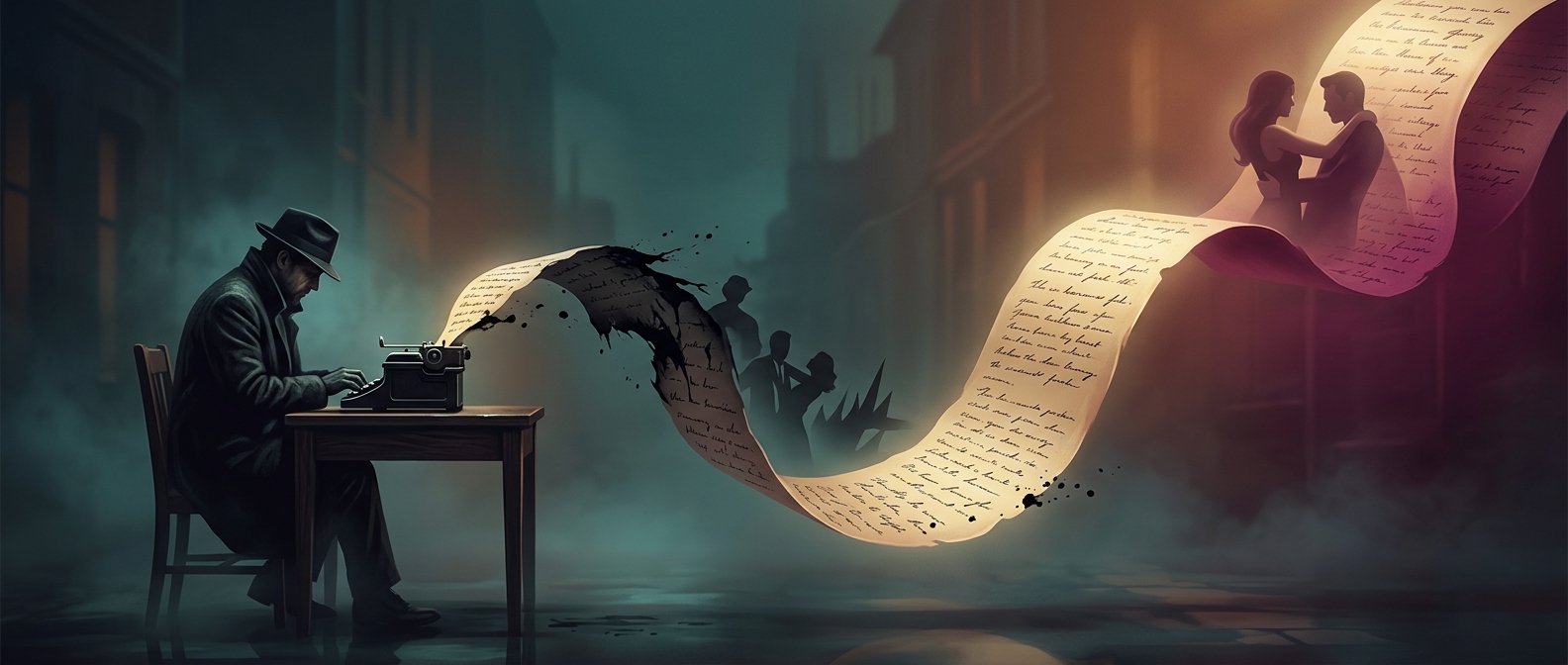
A misunderstanding scene runs on an information gap: the audience sees enough to guess what happened, while another character sees only a suspicious fragment. A coat in the wrong room, a hurried goodbye, or an awkwardly timed arrival can look like proof of betrayal without actually proving anything.
The obvious repair is a sentence of context. But once the characters explain themselves, the suspense may vanish. So the scene gives them a reason—often a weak one, such as being interrupted, panicking, or assuming the other person will not listen—to delay. That delay turns a small accident into a conflict with consequences.
The audience knows more—and waits
This device creates dramatic irony: viewers understand that the apparent evidence is incomplete, but they cannot make the characters act on that knowledge. The gap produces a particular kind of tension. The question is less “What happened?” than “How long will this misunderstanding last, and what will it cost before the truth comes out?”
The longer the delay, the more the story must make it feel earned. A character may be afraid that an explanation will expose something else, or the other person may leave before hearing it. Without a credible obstacle, the refusal to clarify can make characters seem foolish simply because the plot needs them to be.
A small scene can reshape the relationship
At its best, the trope makes communication itself part of the romance. The eventual explanation matters, but so does whether the characters trust each other enough to ask, listen, and revise their first impressions. The misunderstanding is then not just a contrivance to postpone a happy ending; it reveals what each person fears losing.
That is why the scene can be frustrating and effective at once: viewers can see how little it would take to clear things up, while the characters’ inability to say it exposes how much is already at stake.