The page is chosen before the camera rolls
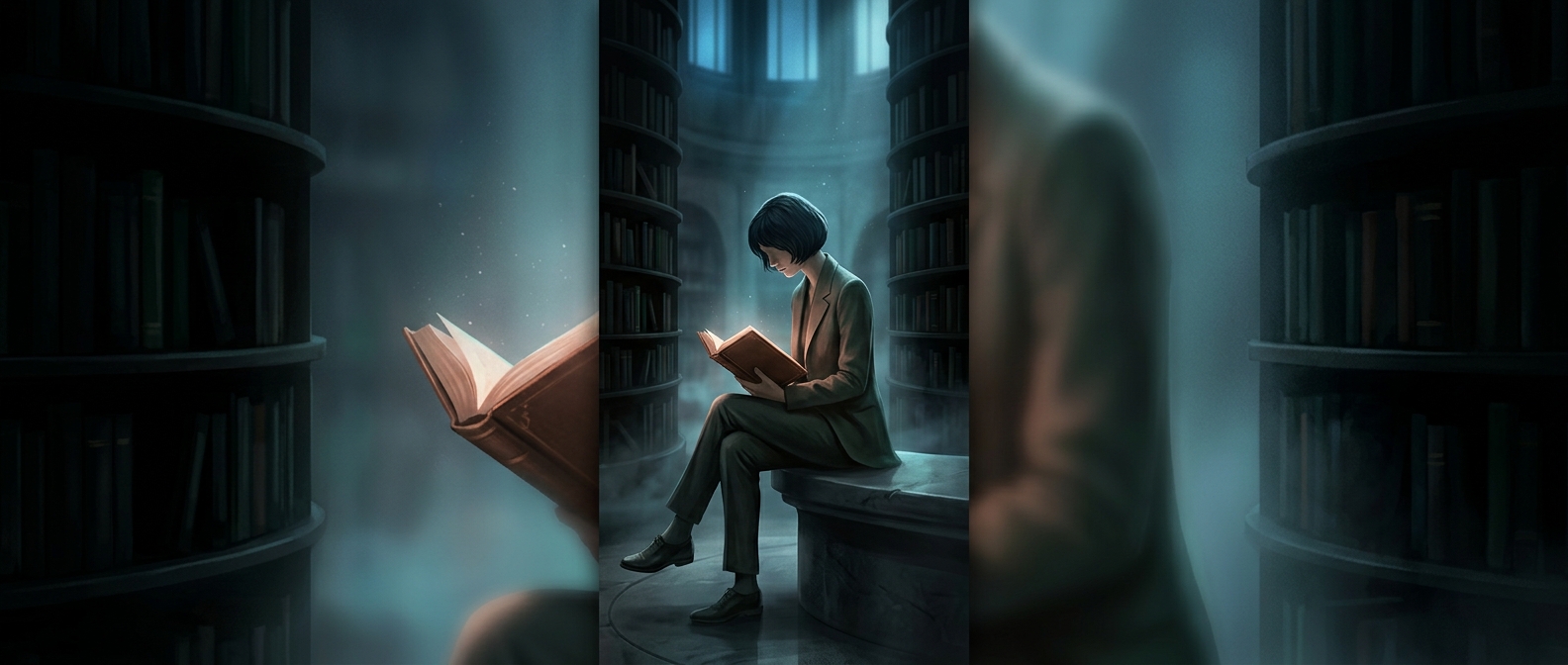
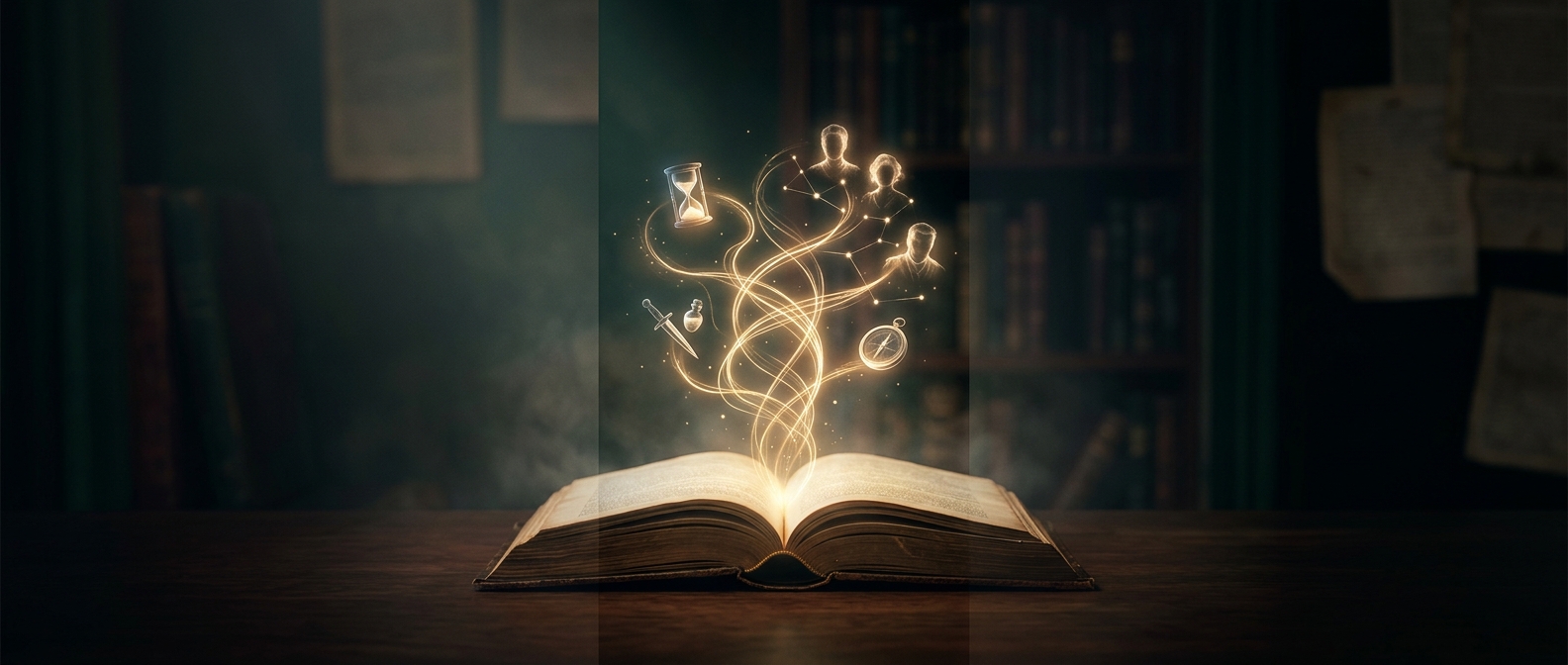
A book that opens to exactly the right clue is usually not behaving by chance. The production knows which sentence, diagram, or illustration the audience must see, so the prop is prepared to make that moment readable and repeatable. A real book may be loosened at the binding or adjusted so it tends to fall open at the selected spread; a specially made prop can be built around the same requirement.
That matters because filming is rarely a single, perfect opening. Actors repeat the movement for multiple takes, and the book has to land in roughly the same place each time. If the pages flip past the clue, or the book closes before the camera can show it, the scene becomes harder to shoot and harder to follow.
The camera needs more than the right words
The chosen page must also work from the camera’s angle. Small type may be enlarged, a key image placed where it can be seen, or distracting text removed. The prop can look like an ordinary book from the audience’s viewpoint while being tailored to the shot.
This is a modest example of a larger storytelling trick: film props are designed not just to exist in a scene, but to deliver information on cue. The character seems to discover the passage; behind the camera, the book has been made ready for the audience to discover it too.