How an action game can bend without looking easier
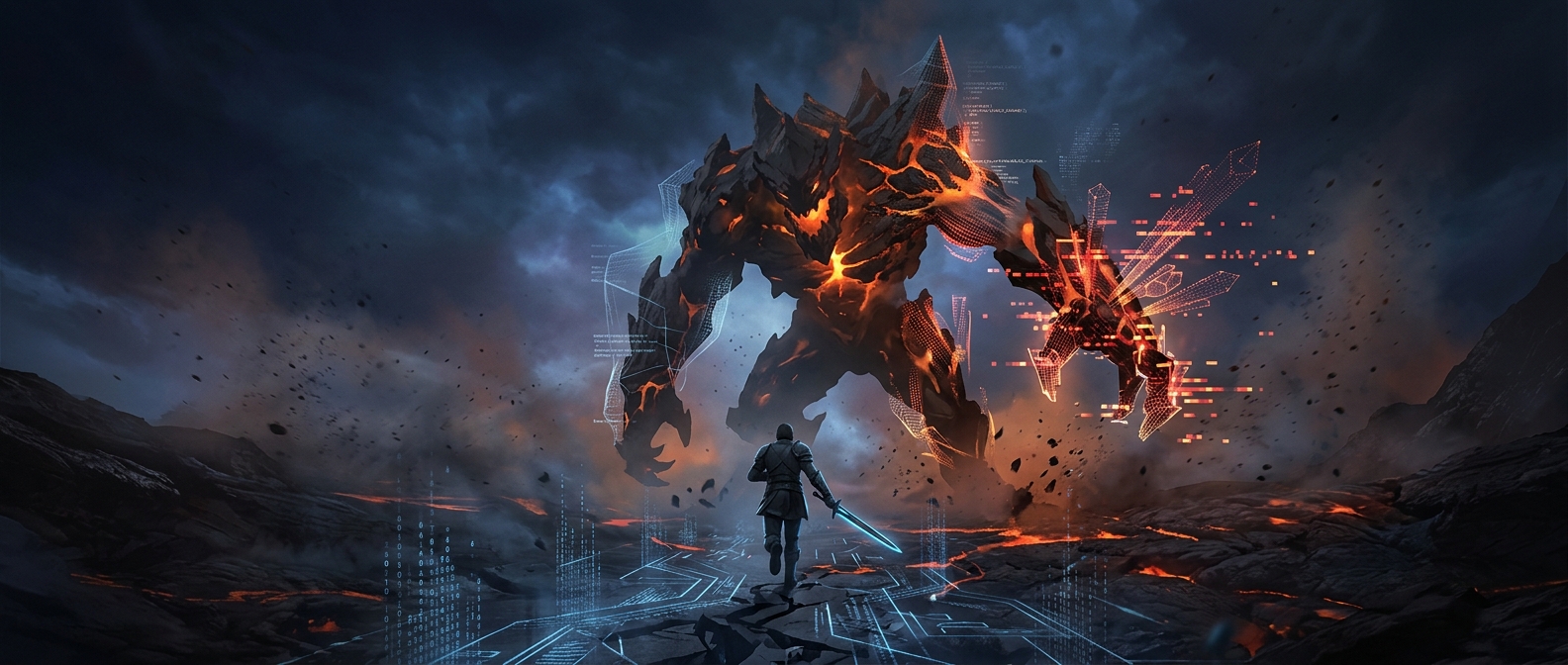
A game does not have to offer an obvious “easy mode” switch to respond to a struggling player. Designers can build in adjustable rules: after repeated failures, an enemy might hit less hard, or a health item might become more likely to appear. The player still faces the same room and enemies, but the odds of surviving another attempt shift slightly.
The key is feedback. A game can use signals such as repeated deaths in one section to infer that its current challenge may be blocking progress. It can then make a small adjustment rather than abruptly removing the obstacle. Because the change happens inside the game’s ordinary systems, it can feel like a lucky break or a better run—not a separate judgment about the player.
The balance between help and accomplishment
That subtlety is a design choice, not just a technical trick. If assistance is too strong, victories can feel unearned; if it is too faint, a player may keep hitting the same wall. Designers have to decide what to adjust, when to do it, and how much the player should notice. Changing an enemy’s damage affects every encounter with that enemy, while adding a chance of finding a potion helps only if the player reaches it and uses it.
These systems can also protect a game’s pace. A player who gets past a difficult stretch can see more of the story, levels, and mechanics, instead of abandoning the game at one repeated failure. The tradeoff is that players may prefer to know exactly how difficulty works. Hidden assistance can keep a run moving, but it can also make a hard-won success feel less clear-cut—especially if the player later wonders whether the game changed the rules.