Why streaming bundles are coming back
Streaming’s original appeal was choice: subscribe to the service with the shows you wanted, and cancel when you were done. But that model also left companies paying repeatedly to attract customers who could leave just as easily. Buying another network or studio offers a different route to growth: acquire its library and audience, then sell a larger package through one subscription.
The economics of putting catalogs together
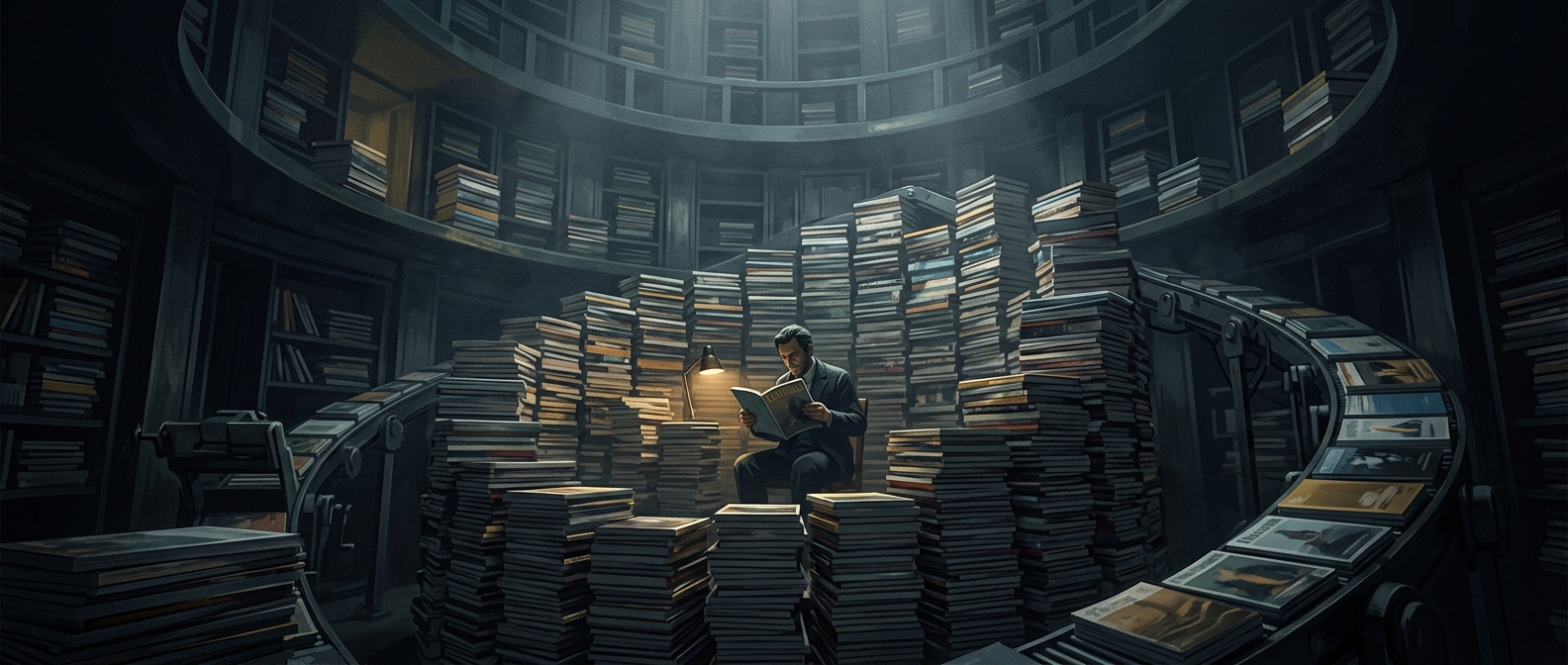
A deep catalog can make a service feel worthwhile between big releases. If one subscriber watches programs from several acquired brands, the combined company may earn more from that household without having to win a separate subscription for every brand. One bill and one app also reduce the friction of choosing among services, which can make customers less likely to cancel after finishing a single series.
The arrangement can help with costs, too. Companies may consolidate marketing, technology, and customer support rather than maintain entirely separate operations. But combining businesses is not automatic: apps, billing systems, and content rights may remain separate for a time, and some programs may be licensed to other services under existing agreements.
More convenience, fewer independent choices
For viewers, a bundle can mean a broader library without juggling as many accounts. The tradeoff is that fewer companies control more of the shows and films available to stream. That can reduce the number of independent services competing for subscribers, even if the resulting app offers more titles.
So the bundle has returned in a new form: not just channels grouped on a cable bill, but catalogs gathered under one company’s subscription. The familiar convenience comes with a consequential shift—more choice inside the app, but potentially fewer separate companies deciding what gets made and where it appears.