A runway that could face every wind
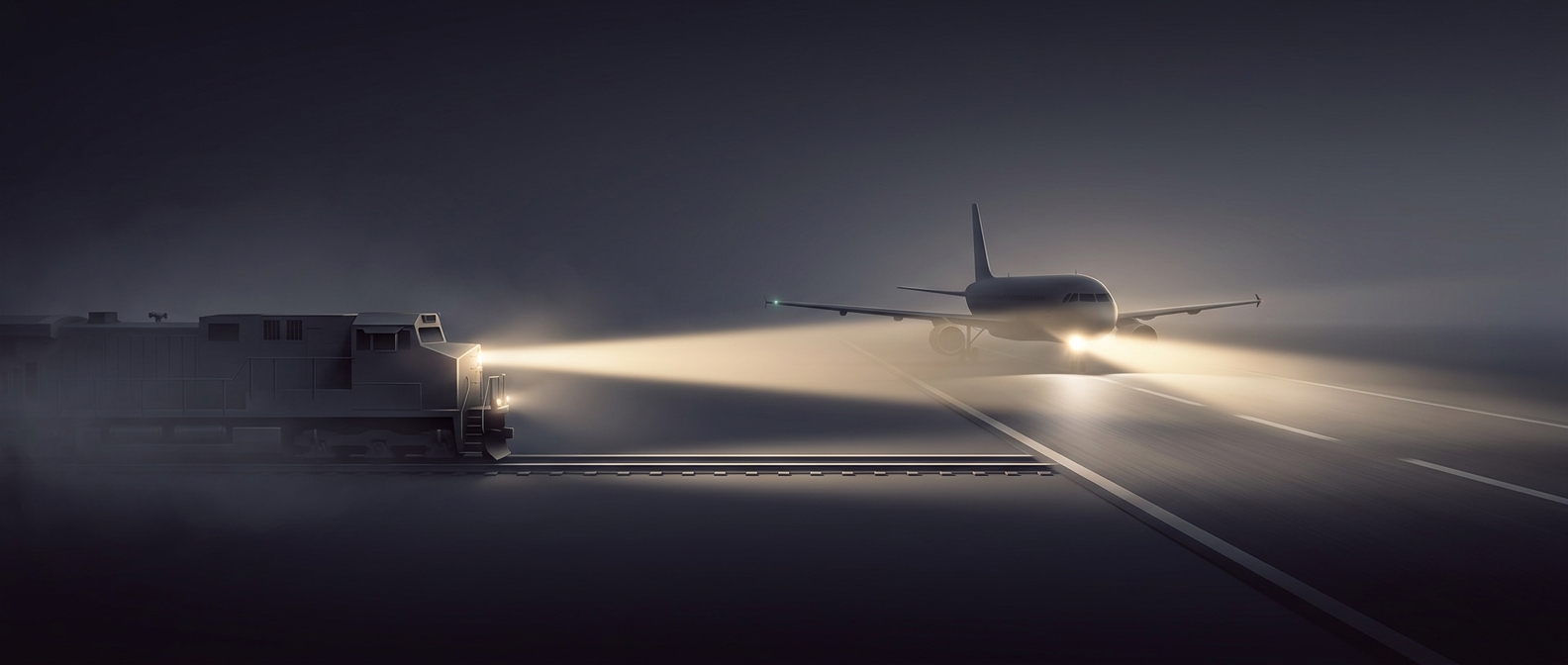
A conventional runway points in one direction, so its usefulness depends partly on which way the wind is blowing. Aircraft generally prefer to take off and land facing into the wind: the airflow over the wings helps provide lift at a lower speed over the ground. If the wind comes from an awkward angle, a straight-runway airport may have to use a less favorable runway or wait for conditions to change.
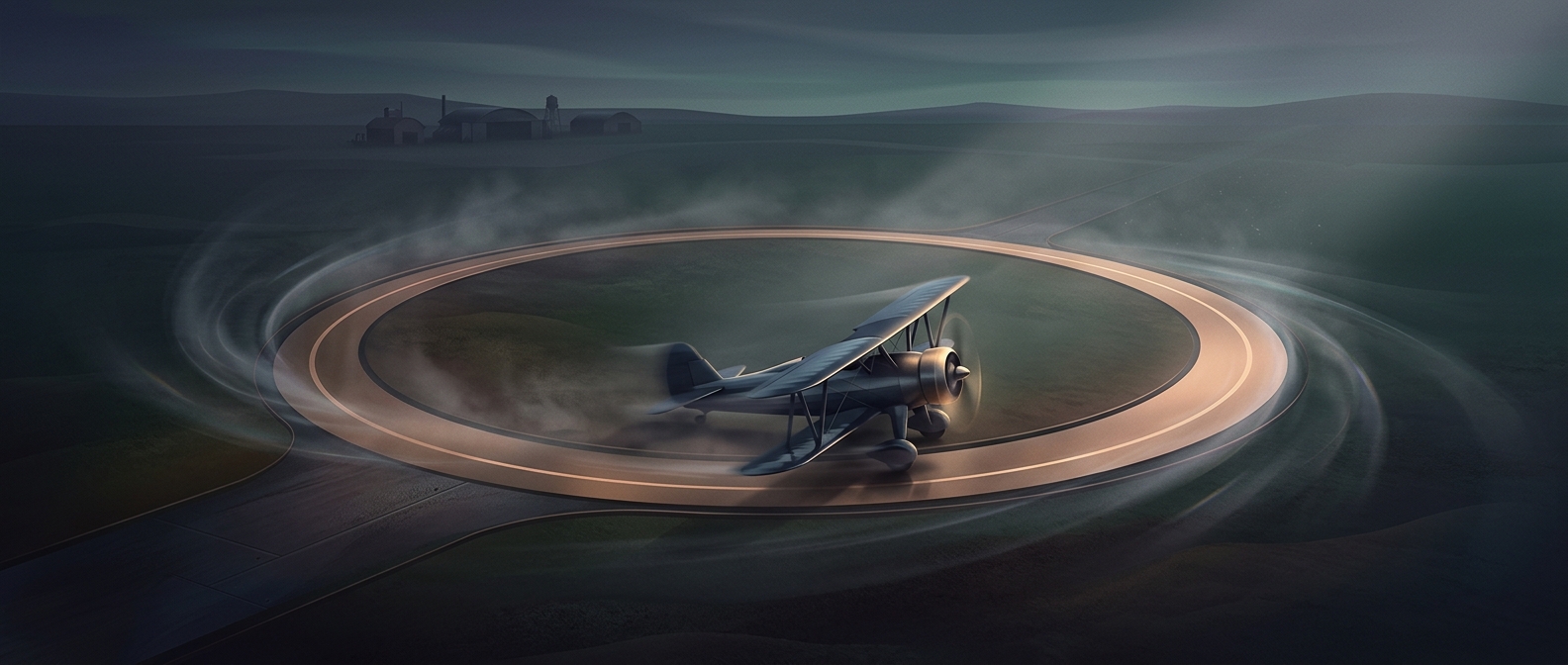
A circular runway was meant to remove that directional limitation. Because a circle presents a different heading at every point around its perimeter, an aircraft could use the section oriented into the wind rather than relying on one fixed strip. The idea was not simply to paint a circle on the ground: the aircraft would have to transition onto and move along a curved path.
The geometry created new problems
Following a curve means continually changing direction. A banked surface—one tilted toward the inside of the curve—could help an aircraft negotiate that turn, much as a banked road helps vehicles turn. But a runway is also a place where pilots need clear visual and physical cues during demanding moments. A sloped, curving surface could make it harder to judge the aircraft’s orientation and position, especially during landing.
The circle also traded one kind of flexibility for a major land-use burden. A runway long enough for aircraft would need a very large ring, consuming far more space than a straight strip of comparable usable length. Airports would still need room for terminals, taxiways, and other operations around it.
So the concept offered an elegant answer to crosswinds, but asked pilots and airport designers to accept a much more complicated environment. The wind could choose the runway direction; the airport would have to build—and the pilot would have to fly—the curve.