A squash code describes the circumstances, not the injury
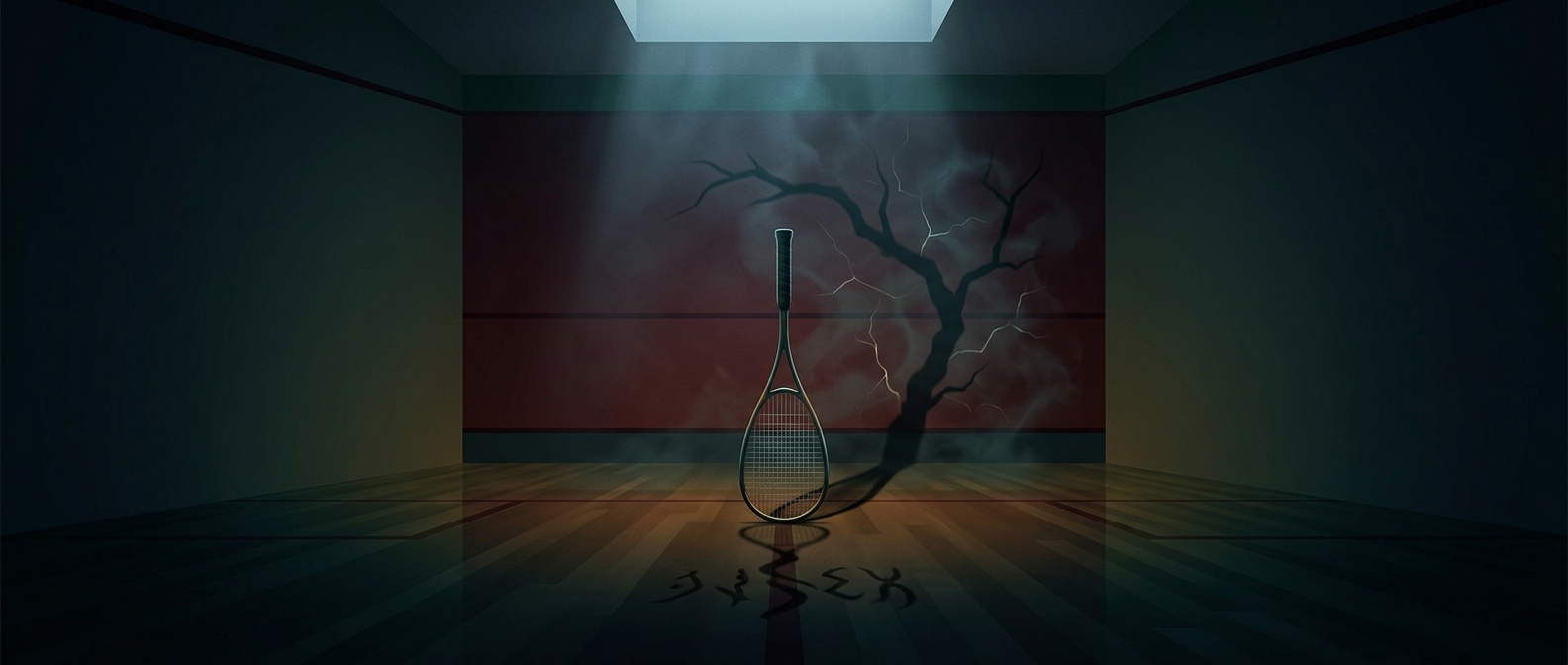
Medical records can use separate codes for two different questions: What was injured, and what was happening when it happened? The first identifies the injury or condition—such as a sprain or a cut. A supplementary activity code can note that the person was playing squash when it occurred.
That distinction matters because the game does not point to one predictable injury. A player might twist while changing direction, collide with another player, or be struck by the ball. The activity code supplies context; the medical diagnosis still has to describe the actual harm.
Why record the activity?
Adding circumstances can make an injury record more informative than a diagnosis alone. If similar cases are collected, activity details can help reveal patterns—for example, whether injuries are associated with a particular sport or setting. They may also help clarify how an injury occurred in an individual record.
The code does not explain the full event or establish that squash caused the injury in some broader sense. It is a compact label for one piece of context. The useful distinction is that two people can share the same injury diagnosis while having been hurt in entirely different activities—and the activity code helps keep that difference visible.