Why Some People Naturally Stay Up Later
A “night owl” is someone whose body clock makes alertness and sleepiness arrive later than they do for an early riser. This timing, called a chronotype, varies among people. It is influenced by biology as well as age, light exposure, and daily routines; it is not simply a matter of willpower.
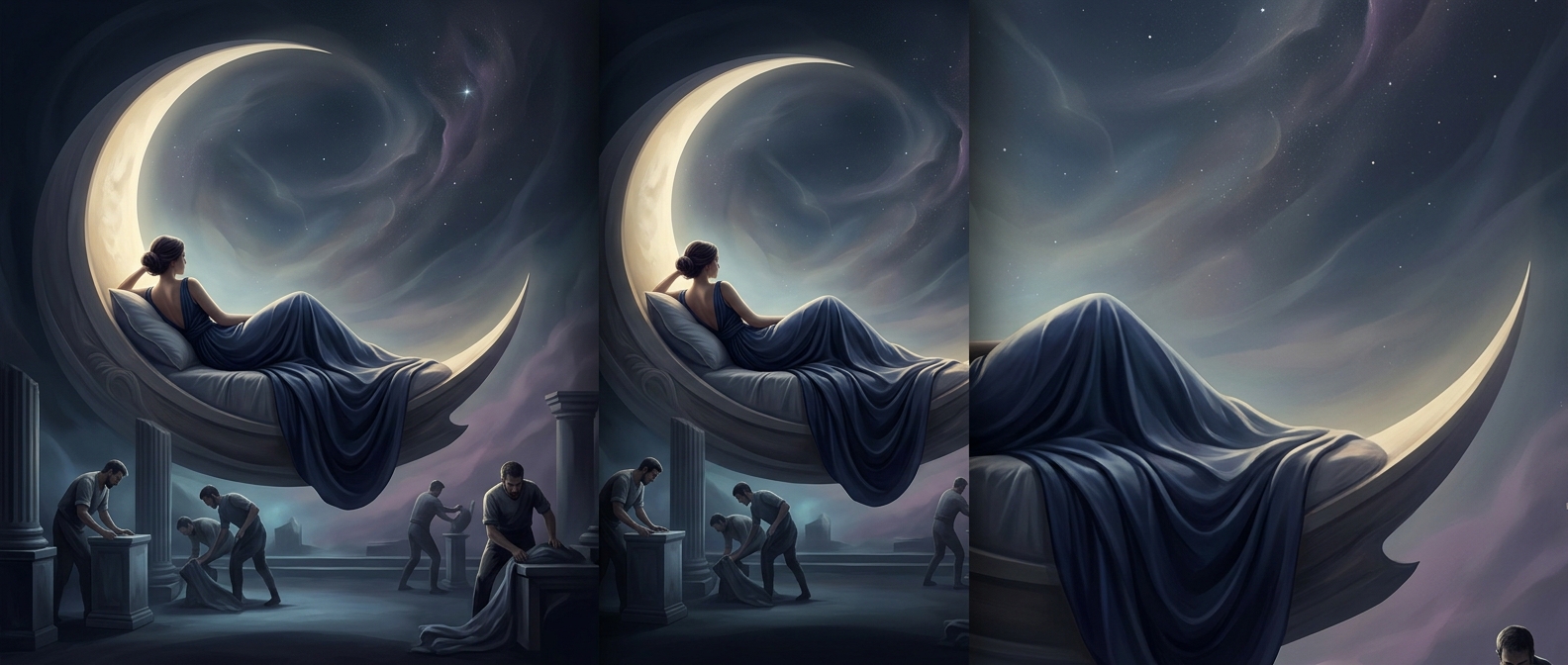
One evolutionary explanation for that variation is the sentinel hypothesis. In a group that slept together, people with different sleep schedules might not all be deeply asleep at the same time. Later sleepers could remain alert after early sleepers had turned in, while early risers might wake before the rest. That overlap could leave someone available to notice a threat or other disturbance during more of the night.
A Plausible Benefit, Not a Proven Purpose
The idea describes how a trait that can be inconvenient today might have had a benefit in another setting. But it does not establish that night-owl timing evolved specifically to guard a group. Different sleep schedules can arise from ordinary biological variation, and modern schedules—school, work, and artificial light—can make a late body clock feel especially troublesome.
The useful takeaway is that a population need not share one ideal sleep schedule. Variation in when people are alert may have helped groups cover more of the night, even though an individual night owl may now be struggling to get up for an early alarm.