A battlefield folded away from ordinary space
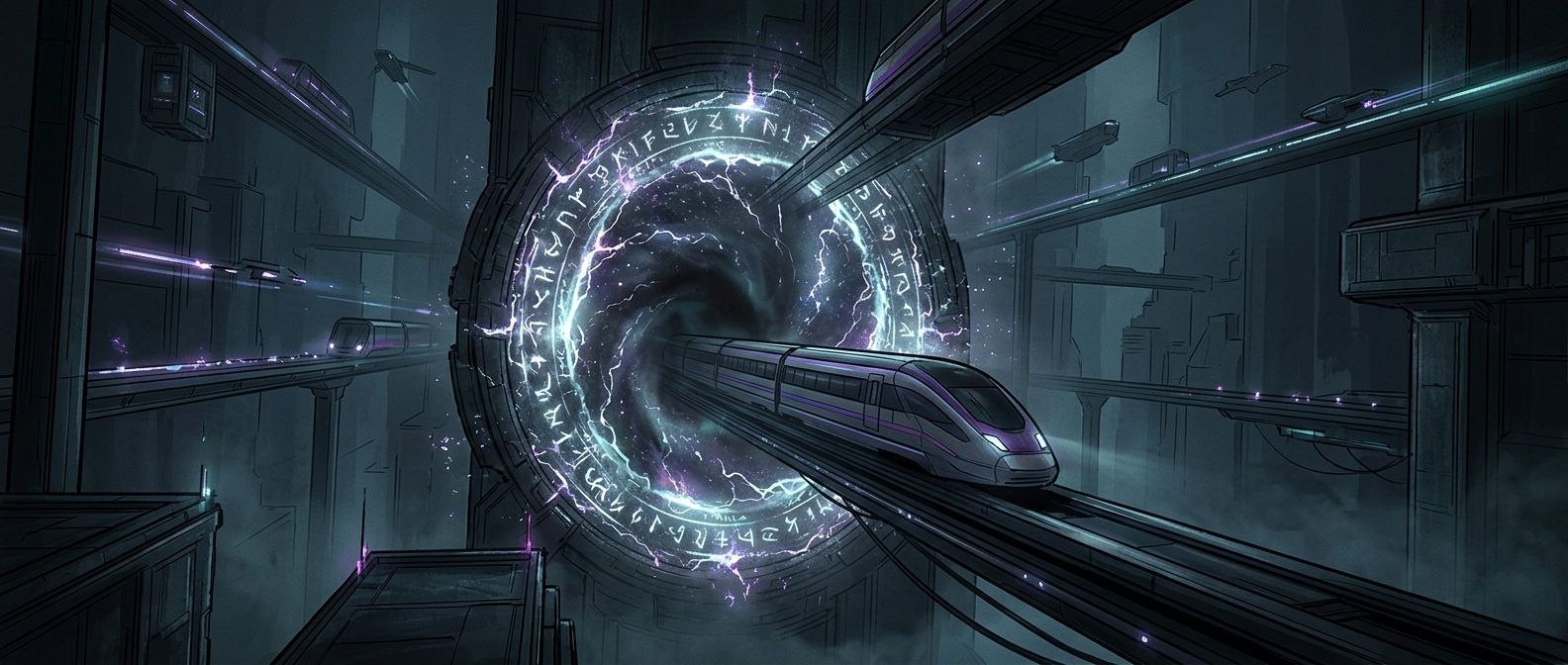
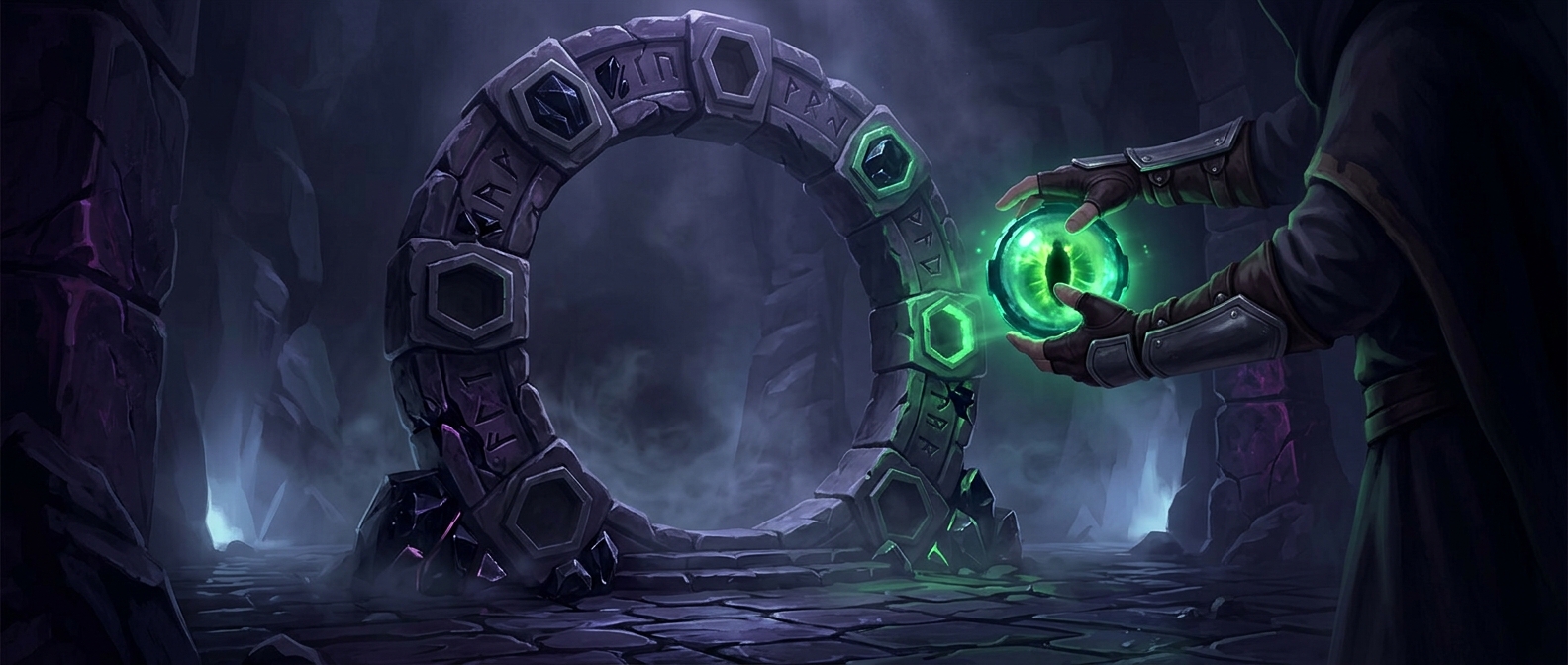
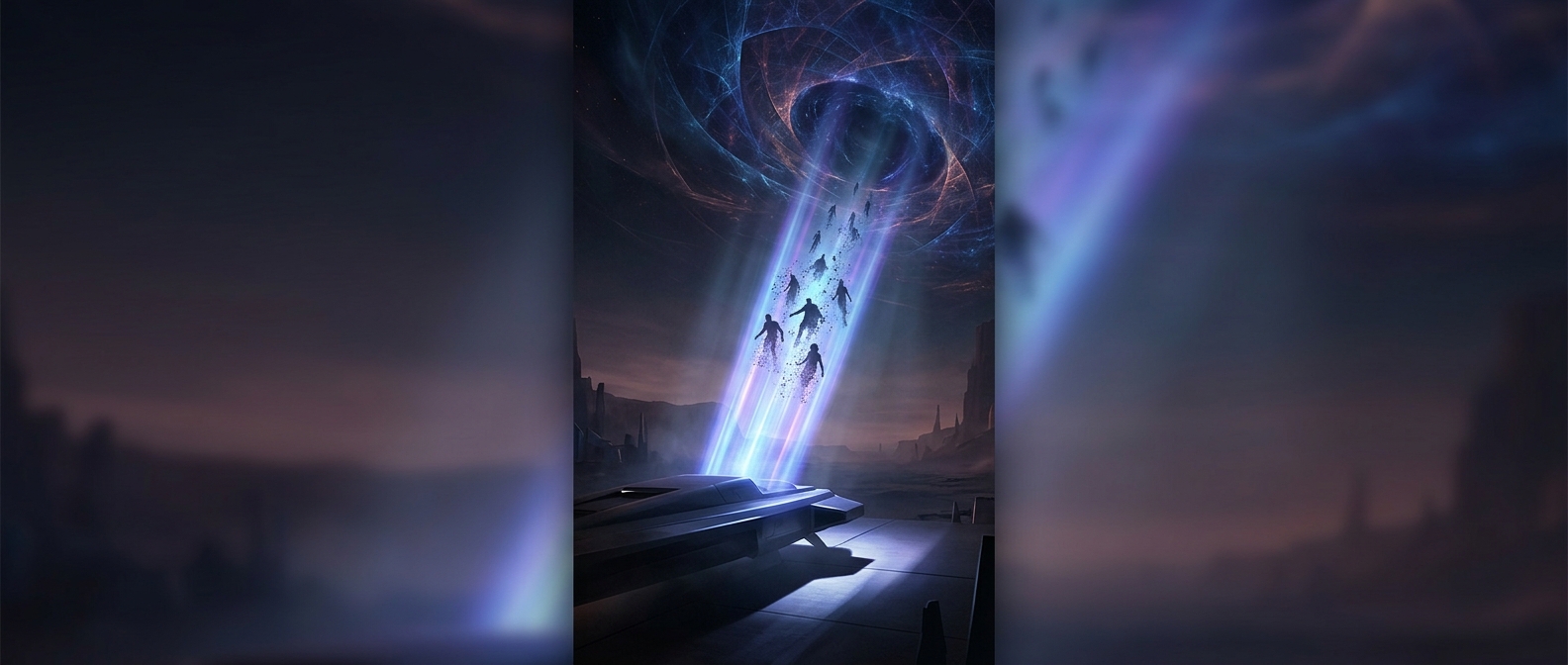
The Mirror Dimension works like a second layer laid over the familiar world. It reproduces recognizable places—streets, buildings, landmarks—but lets sorcerers manipulate their arrangement without changing the corresponding city in ordinary reality. A tower can tilt toward an opponent or a street can bend into a loop, while the real structure remains standing.
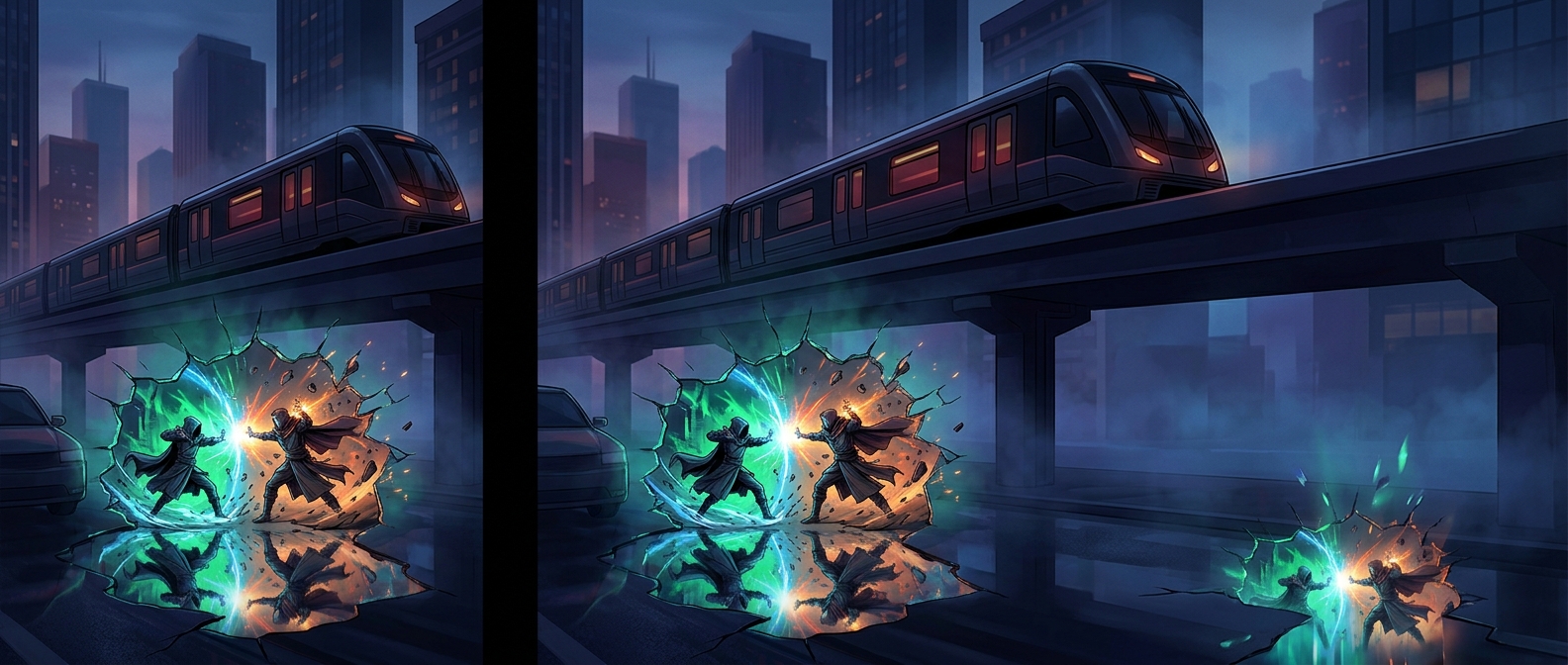
That separation gives a magical fight room to become spectacular without making every spell a disaster for bystanders. The damage and distorted geometry belong to the hidden space, not automatically to the streets people are walking on outside it.
The landscape becomes part of the fight
Because the environment can be reshaped, combat is not limited to hurling energy at an enemy. A sorcerer can use distance, walls, and shifting sightlines as tactical tools: folding a route can trap someone, while twisting a familiar block can make escape difficult. The setting behaves less like a fixed arena than like terrain either fighter may try to control.
That flexibility also creates a clear constraint for storytelling: the Mirror Dimension is useful only if the sorcerer can draw an opponent into it or keep control of the space. It is not simply a universal shield that makes every conflict harmless. The danger remains real for the people fighting inside, even when the city outside carries on undisturbed.
Why the idea works on screen
The concept lets a scene show enormous, city-scale magic while preserving the ordinary world as a stable reference point. Viewers recognize the buildings being bent, so the action feels disruptive; knowing that the changes are confined to another dimension keeps that spectacle from implying that the same destruction has happened to the actual city. The result is a battlefield where architecture itself can turn against a sorcerer—without leaving the surrounding afternoon in ruins.