A Prison Built by Removing the Prisoner
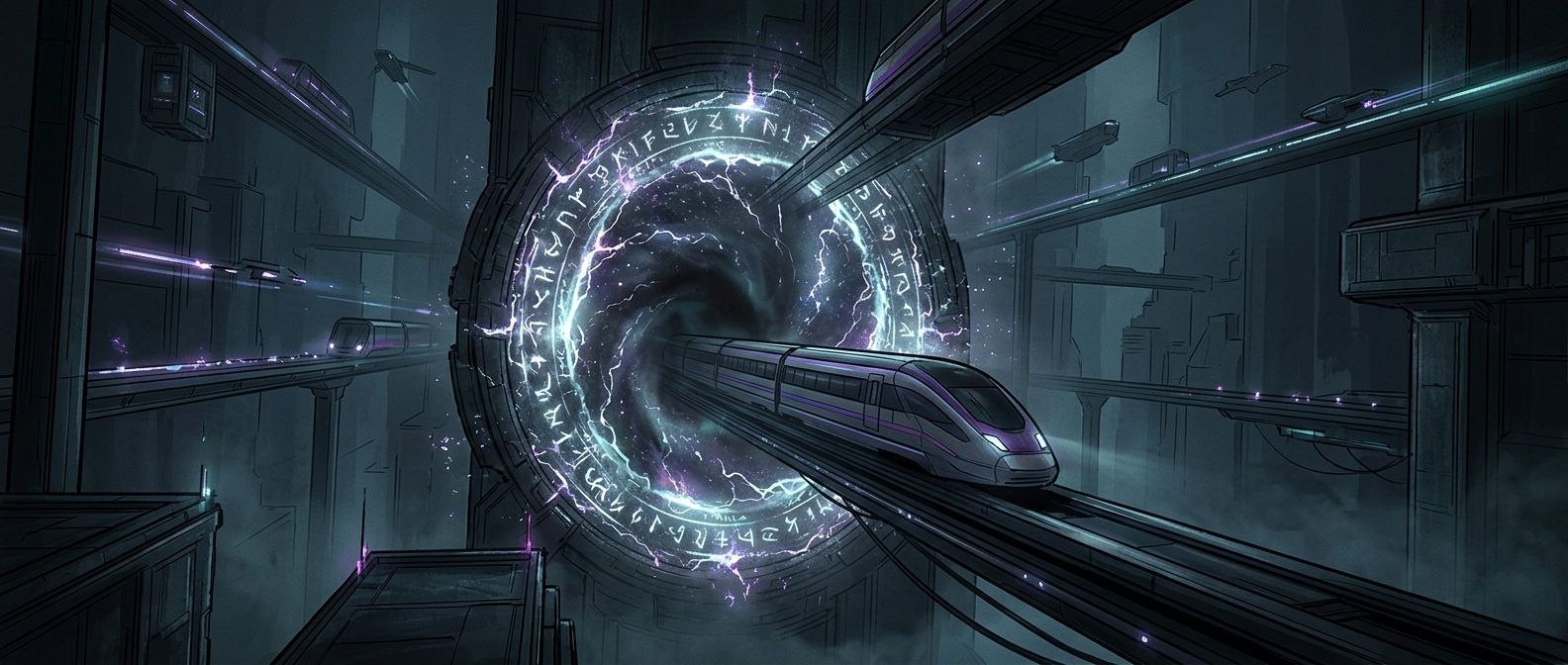
In Superman stories, the Phantom Zone projector does not carry a captive through space. It shifts the person out of the ordinary world and into a separate dimension designated for confinement. That distinction makes it less like a vehicle than a device that changes where someone exists: there is no route to follow and no physical cell to build around the prisoner.
The idea solves a problem that ordinary jails cannot. A dangerous offender can be taken out of reach without guards maintaining a conventional prison or a transport crew moving a captive. But the solution depends on access to the projector—and on the boundary between dimensions holding. The device becomes both the means of confinement and the crucial link to the place where confinement happens.
The Cost of an Invisible Cell
That arrangement changes what “escape” means. A prisoner cannot simply break a lock or overpower a guard; release depends on crossing back into the ordinary world. In a story, that makes the projector’s presence consequential even when the Phantom Zone itself is unseen: whoever can operate the technology may determine who is sent away or brought back.
The unsettling tradeoff is that a prison can disappear from view without disappearing from the moral picture. The captive is removed from society, but the question of who controls that removal remains. a physical cell has walls people can inspect; an extradimensional one makes the mechanism of confinement—and its safeguards—harder to see.