A shortcut that changes the map
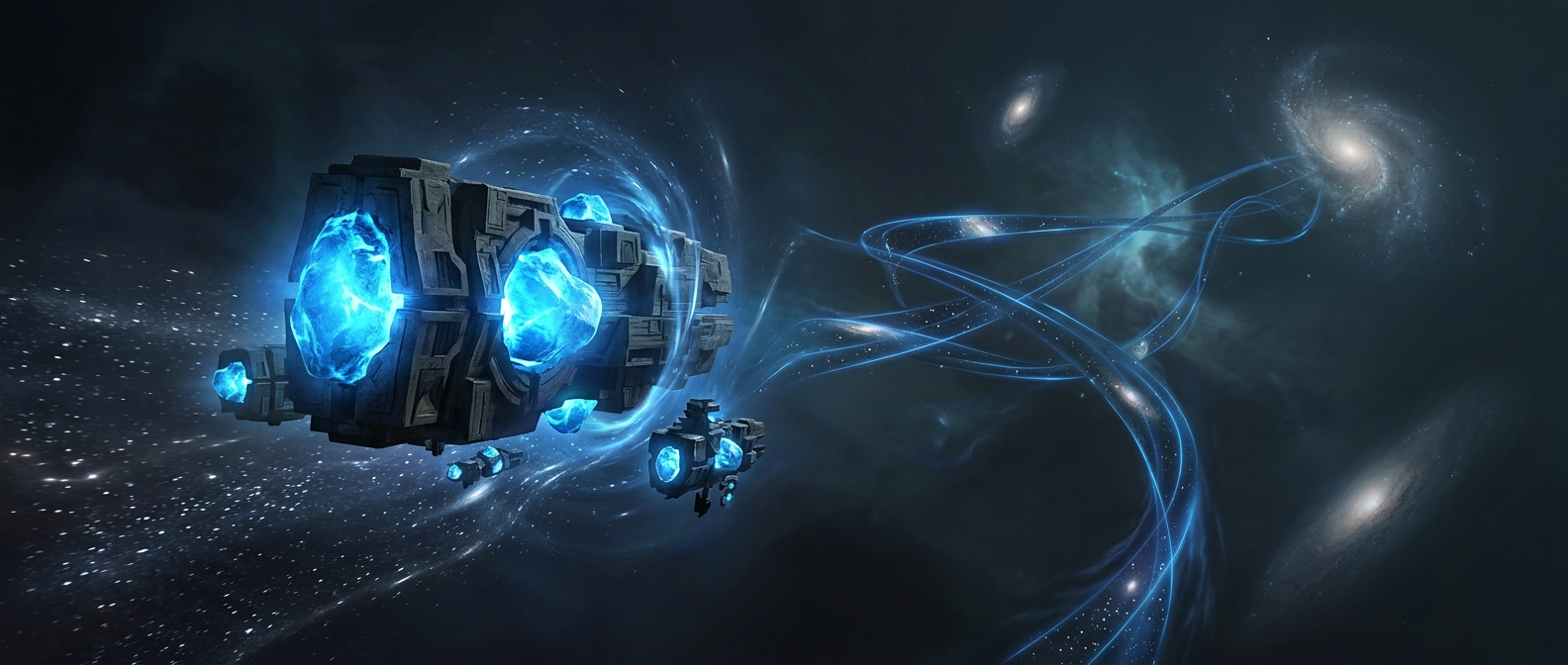
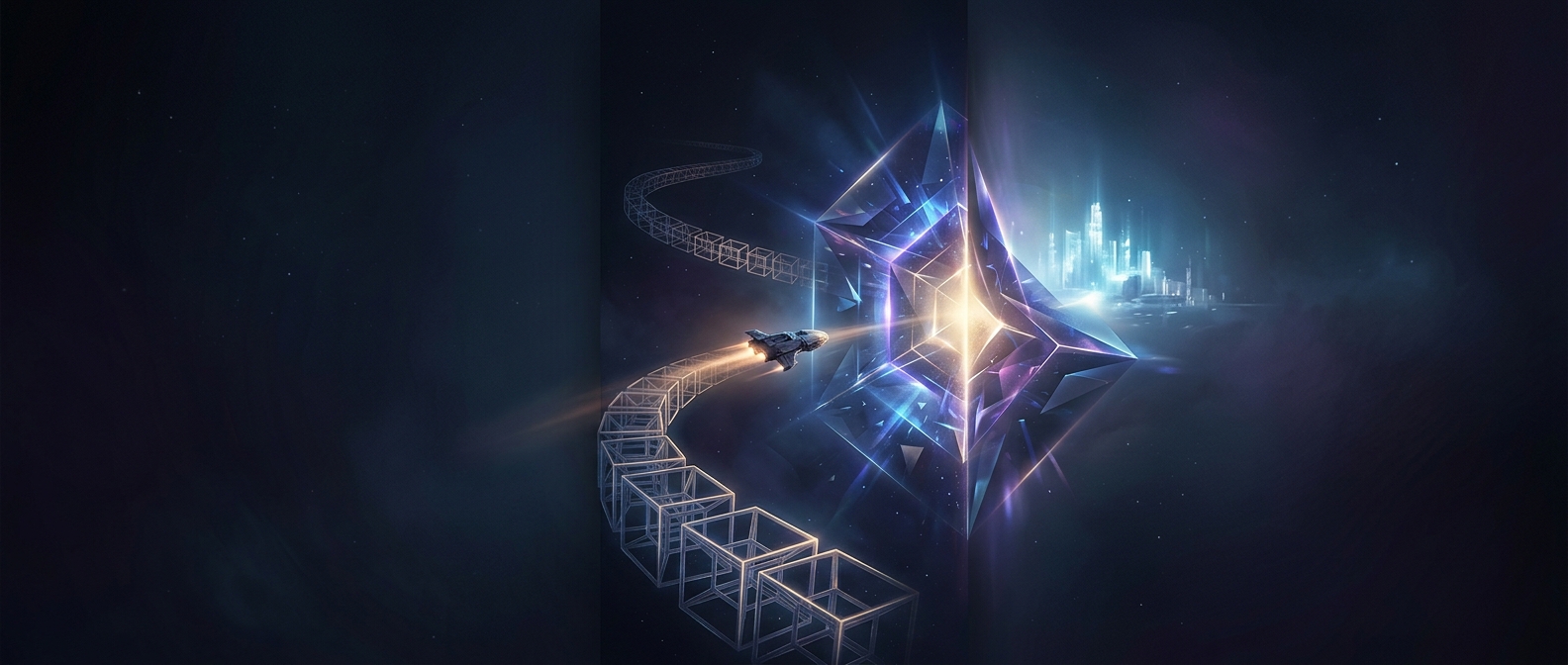
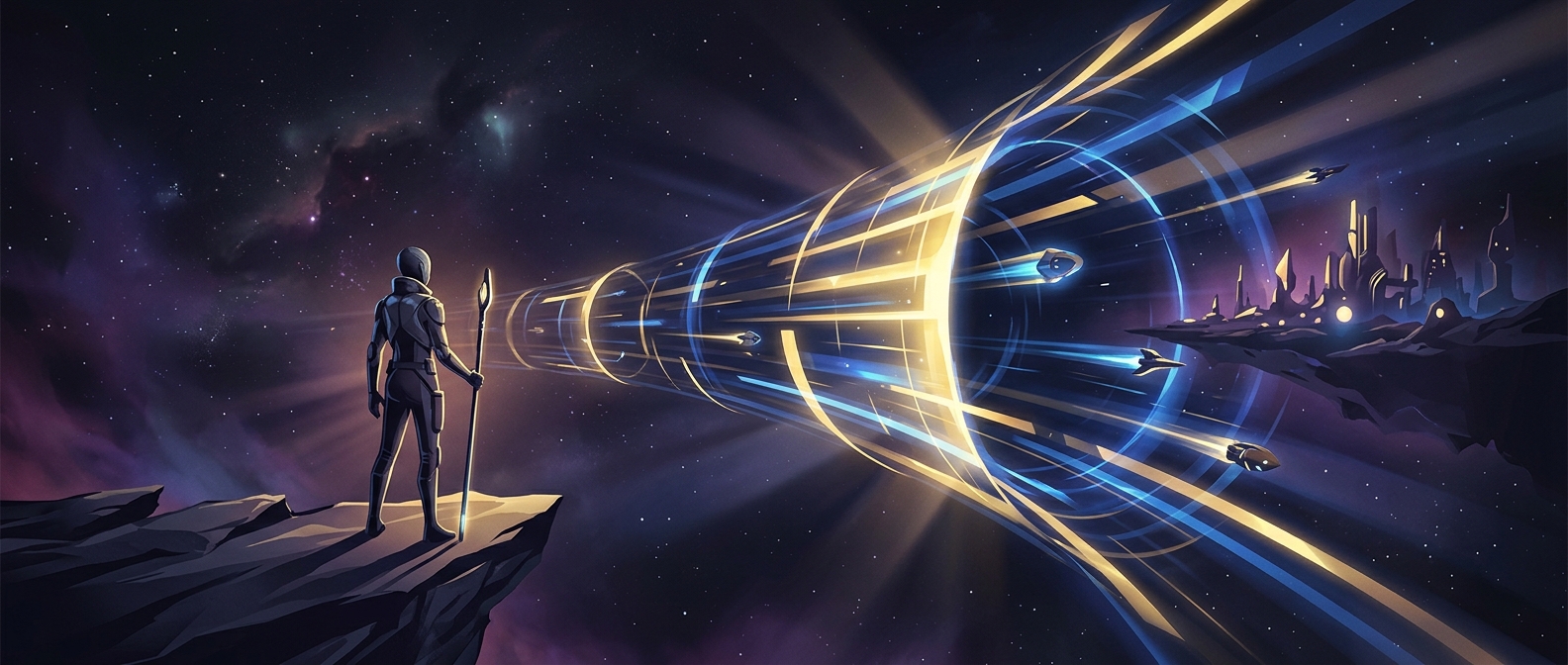
Ordinary transport moves people through the space between two places. A Tesseract portal, as Marvel depicts it, makes that intervening distance irrelevant: the traveler crosses a threshold and arrives elsewhere. The striking change is not simply speed. A journey that would normally require a route, a vehicle, and time becomes a matter of connecting two points.
That makes the Tesseract more than a powerful engine. It turns geography into a choice about where a doorway can connect. A remote destination can become suddenly reachable, while a protected location may be exposed if someone can open a passage into it. The same ability that makes travel effortless can therefore reshape access and security.
Why the doorway matters
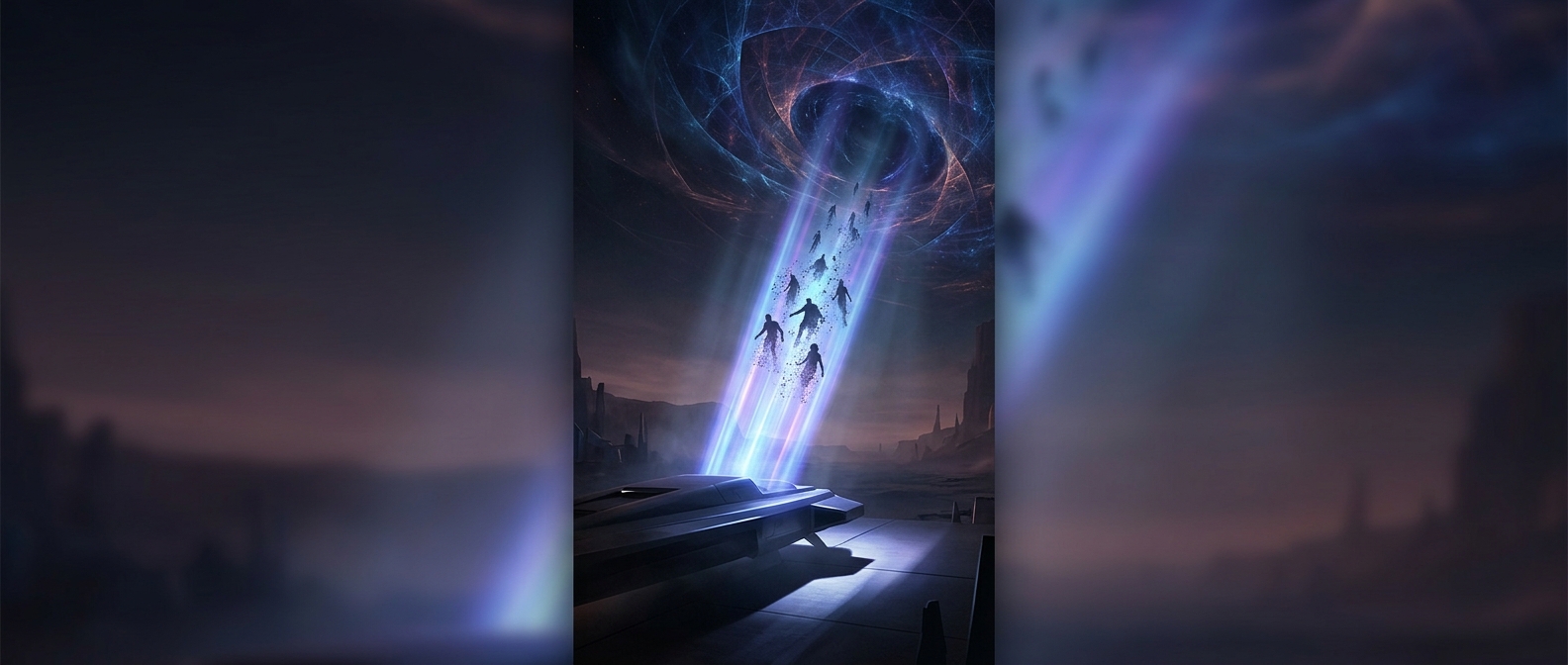
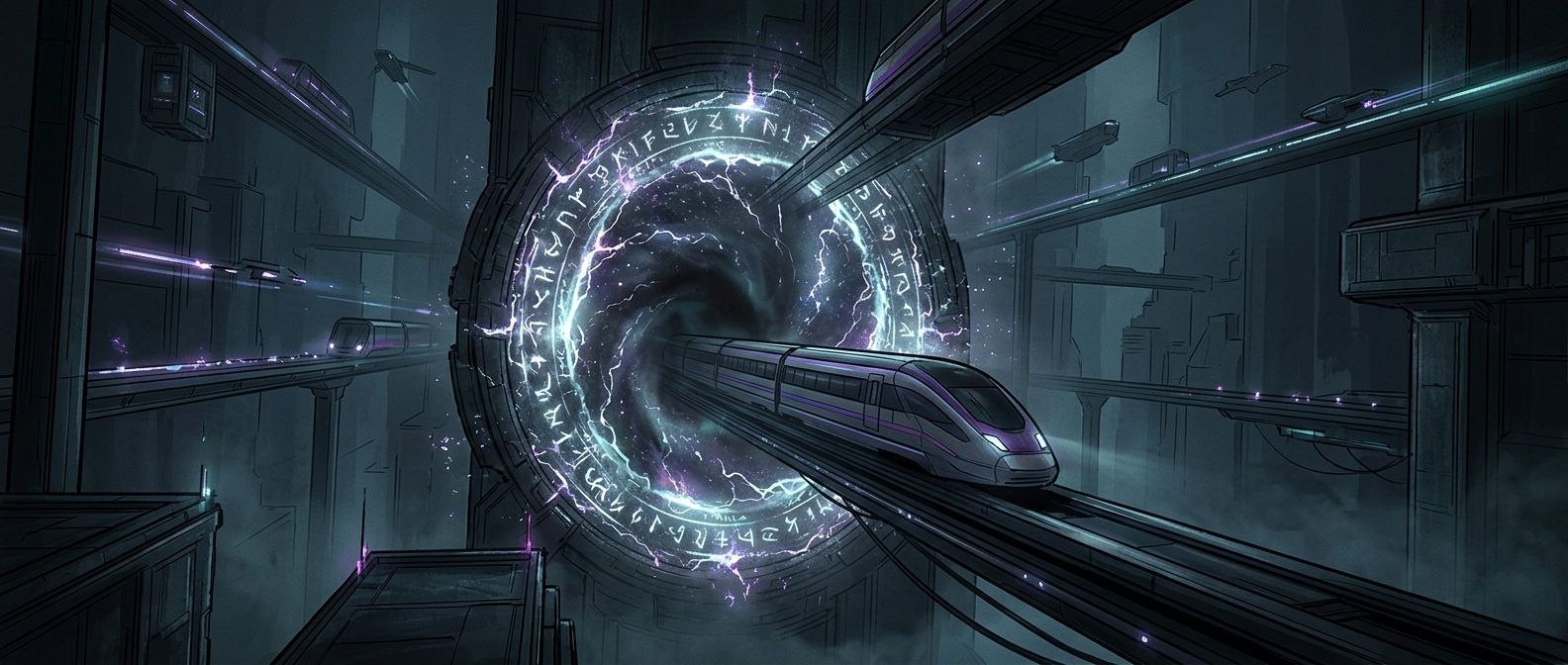
A portal is also easier to understand on screen than an invisible jump. Viewers can see where the passage begins, where it ends, and who is willing to step through. The glowing frame makes an abstract power feel like a place one can enter—and gives a scene a clear point of danger: the opening itself.
The tradeoff is that distance stops being a reliable obstacle. In a world with such a passage, the important question is no longer how long a trip takes, but who controls the connection and what waits on the other side.