A map of the body’s subtle centers
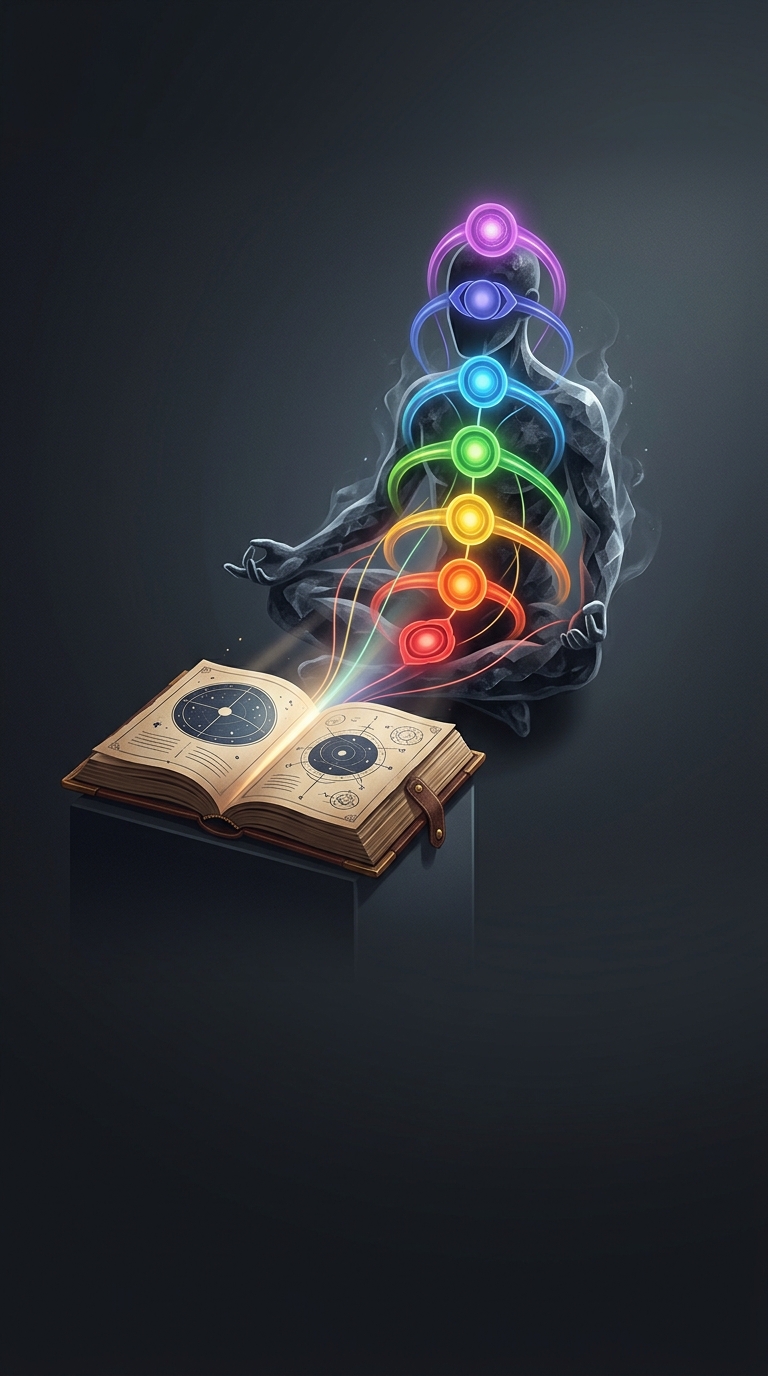
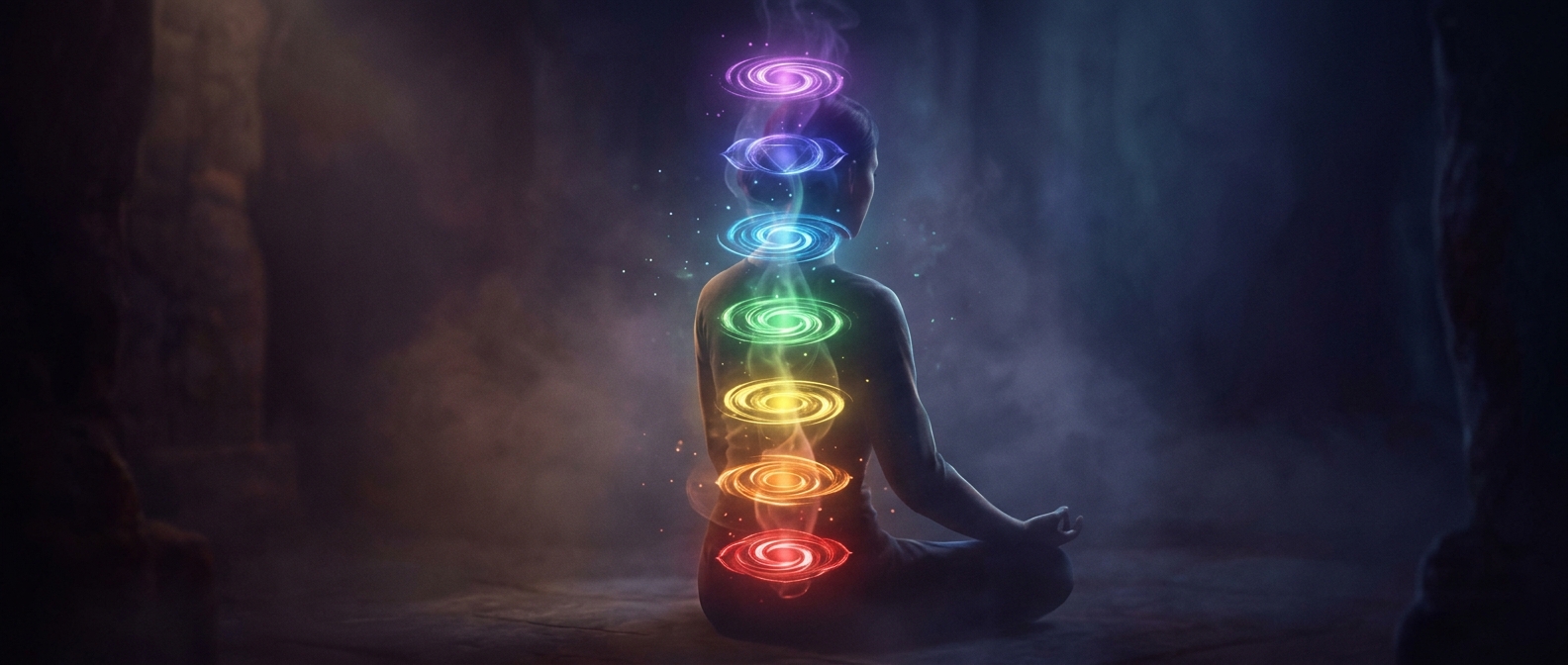
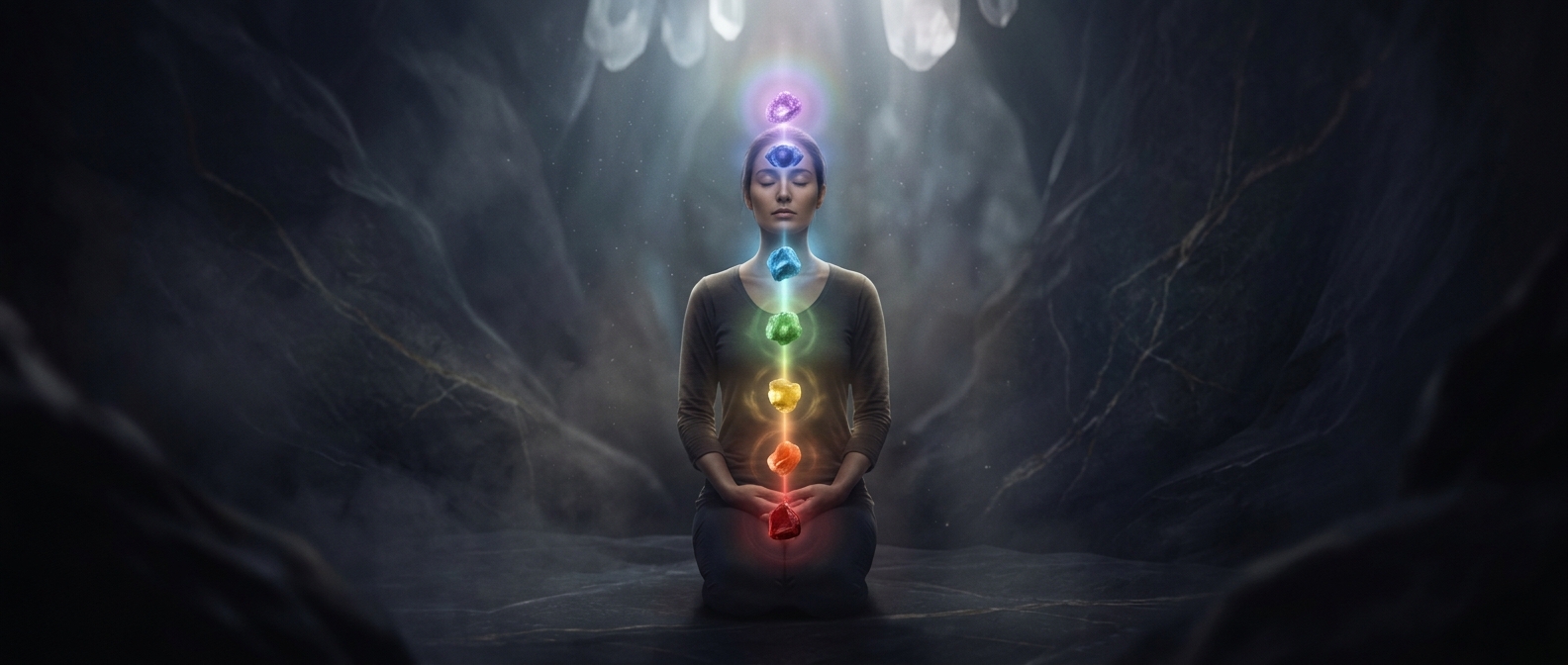
The word chakra comes from Sanskrit for “wheel.” In some Indian spiritual traditions, chakras are points or centers within a subtle body—a spiritual map associated with qualities such as grounding, expression, or insight. Different traditions describe them in different ways; the familiar arrangement of seven centers running from the base of the spine to the crown is one influential system, not a universal blueprint.
Why stones are matched to particular places
In contemporary crystal practices, a stone’s color or symbolic associations often guide where it is placed. A practitioner may choose stones to correspond with particular chakras, treating the arrangement as a way to focus attention on themes linked to those centers. The placement is therefore part of a ritual language: the body becomes a map, and each stone marks a point for reflection.
The stillness matters, too. With little to do beyond notice the weight of a stone, the warmth of the room, or the rhythm of breathing, a participant can settle into a quiet, meditative interval. That immediate experience can be meaningful even when participants interpret its meaning through different spiritual beliefs.
What the ritual is meant to offer
The practice is generally framed as supporting balance or harmony, rather than as a procedure with a single measurable outcome. For some people, its value lies in the symbolism and the chance to pause; others approach it as part of a broader spiritual practice. The stones make an abstract idea—the body’s supposed energy centers—tangible enough to attend to one point at a time.