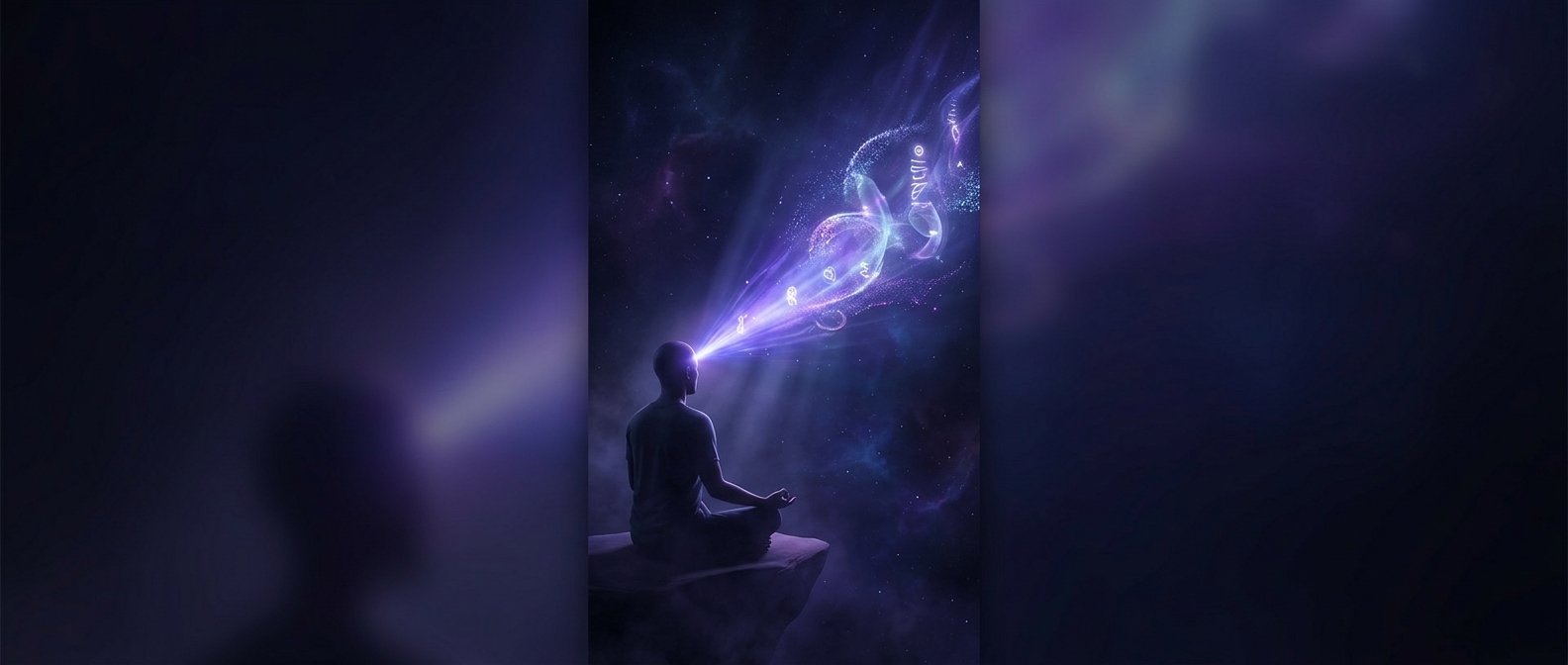
What the “third eye” means
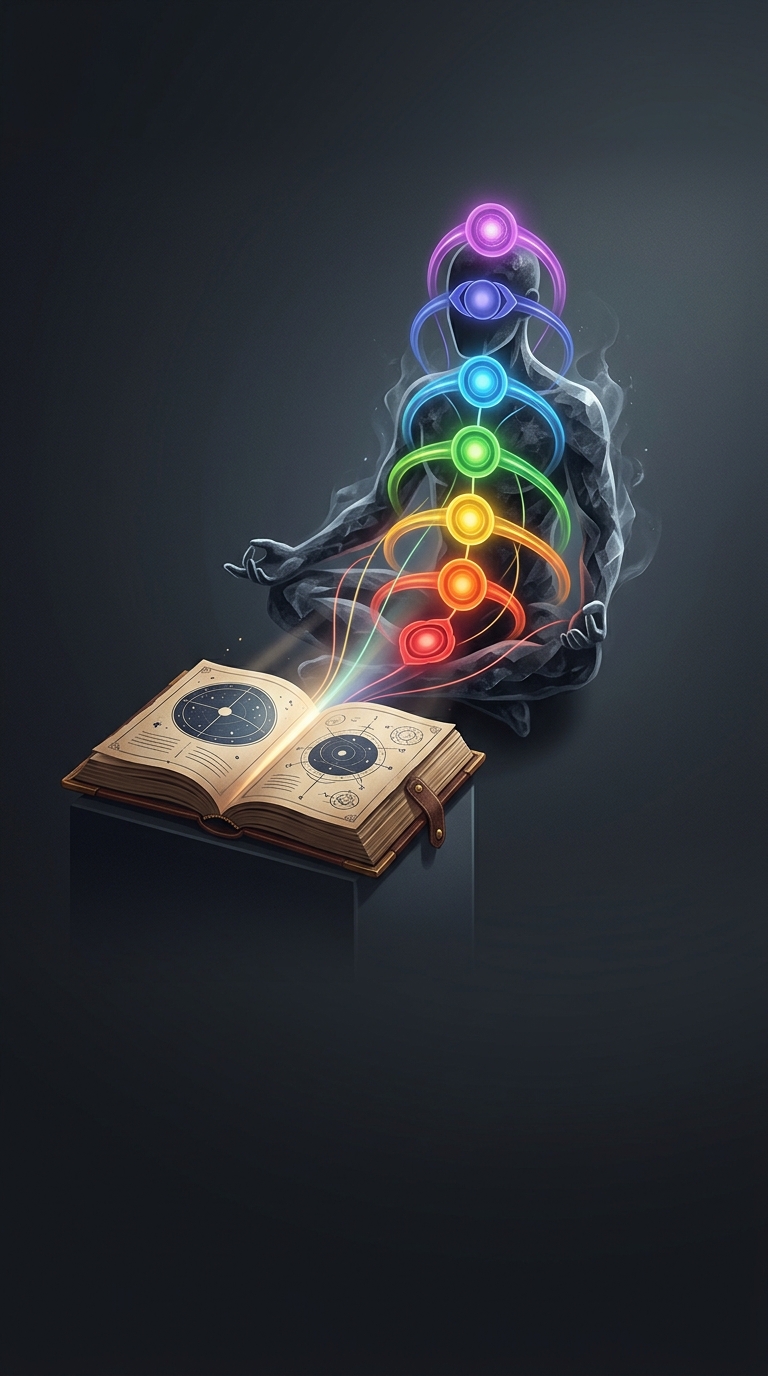
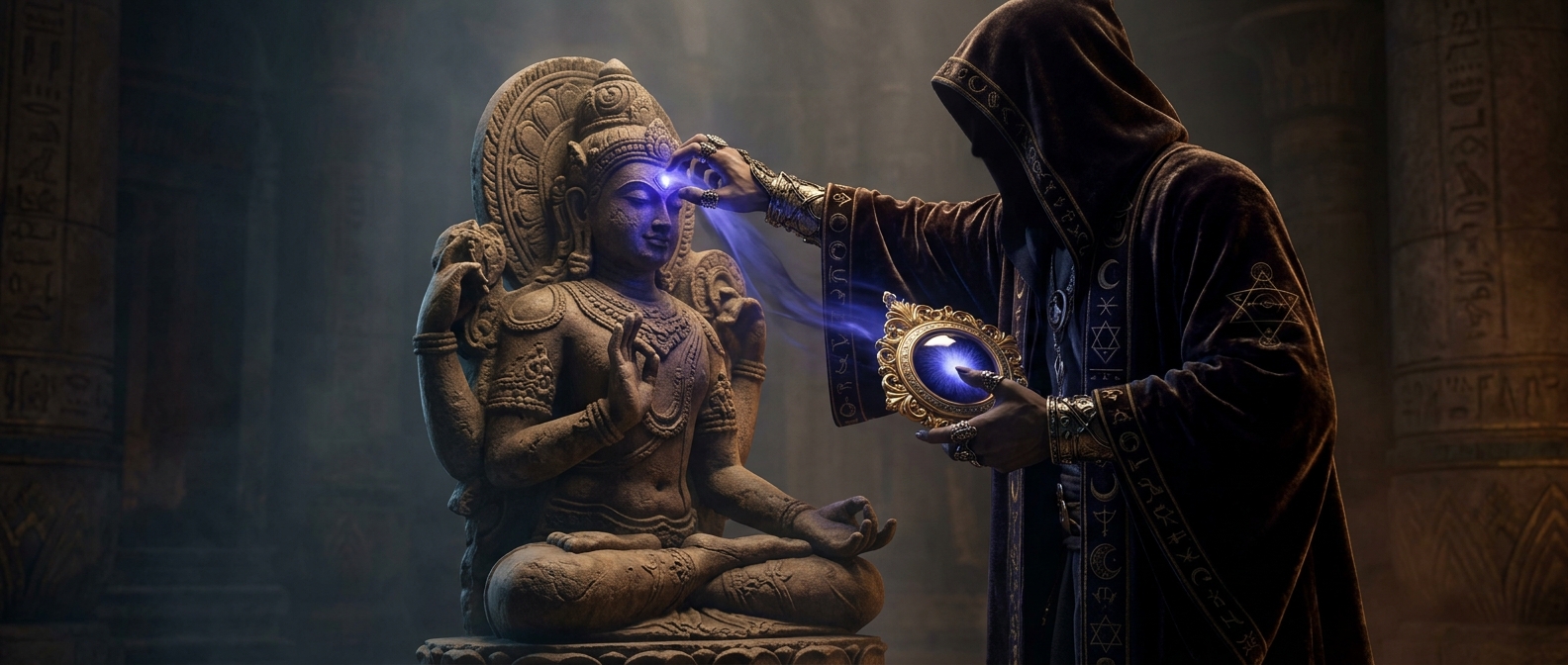
In some Hindu and later spiritual traditions, the brow chakra—often called ajna, a Sanskrit term commonly associated with perception or command—is imagined as an energy center between the eyebrows. Chakra systems describe subtle centers of spiritual experience, not body parts that can be seen or measured like organs. The third eye is linked with intuition, discernment, and insight that practitioners understand as reaching beyond the senses.
An image of inner perception
Traditions and modern teachers do not all describe the chakra in the same way. Indigo coloring and the idea that an opened third eye grants access to unseen realms are familiar in contemporary spiritual accounts, but they are beliefs within those systems, not established scientific findings.
The image also points inward: “seeing” can mean recognizing patterns, examining one’s assumptions, or seeking a broader understanding of experience. That kind of spiritual insight is different from reading another person’s feelings accurately. A person may feel deeply connected to a larger reality and still miss a friend’s discomfort or fail to notice what a conversation requires.
That distinction is part of the idea’s appeal and its limit: inner vision, in this tradition, is not the same skill as social awareness.