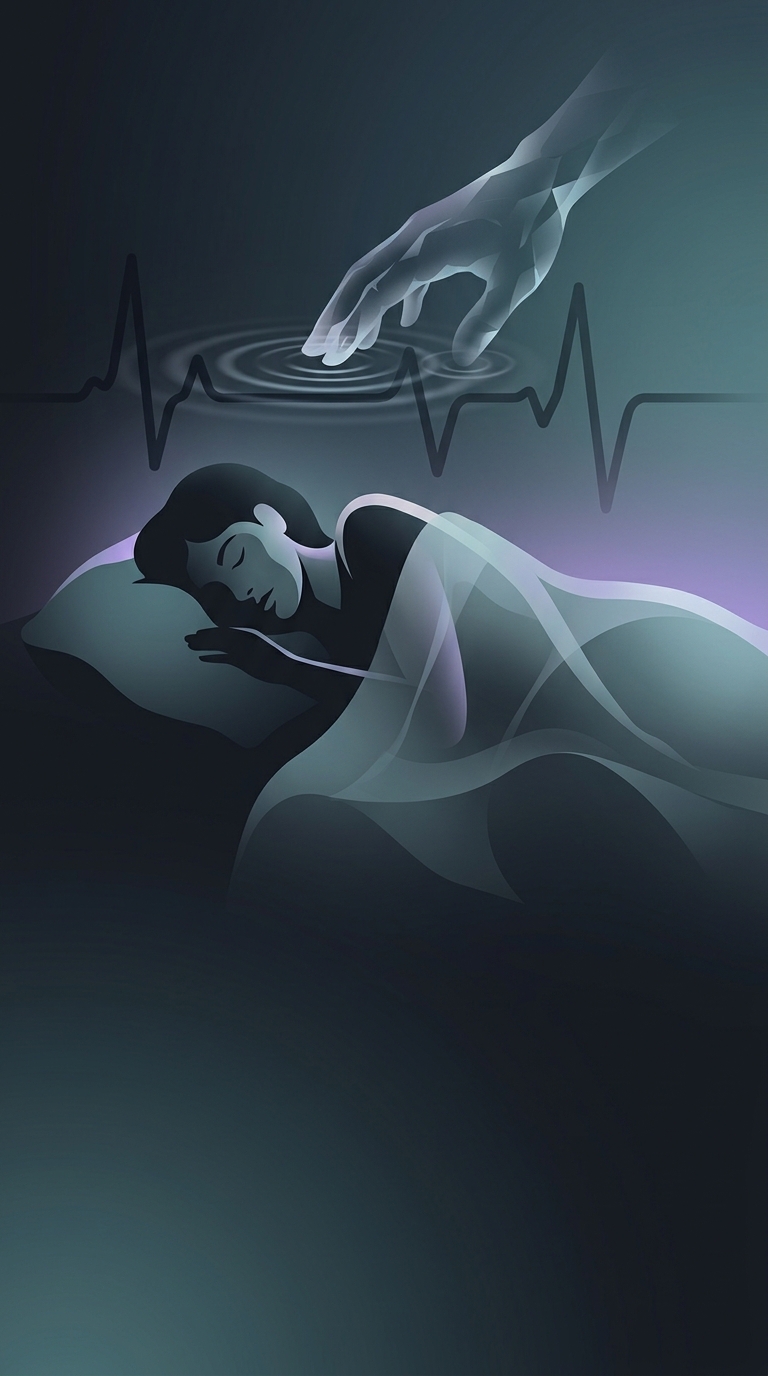
The real-life fear behind A Nightmare on Elm Street
Wes Craven’s inspiration for Freddy Krueger came from reports of young Southeast Asian refugees who died unexpectedly while asleep. Some had reportedly been afraid to sleep because of frightening dreams. Their deaths were real; a killer entering people’s dreams was Craven’s fictional leap from those reports.
From unexplained deaths to a horror rule
The cases were associated with what is now commonly called sudden unexpected death in sleep: a person dies during sleep without an obvious explanation at the time. The reports did not establish that nightmares caused the deaths. But the combination of sleep, fear, and an unexplained danger offered a chilling premise: what if the place people retreat to for rest could not protect them?
Craven turned that vulnerability into the film’s central rule. Freddy attacks through dreams, making sleep itself a source of danger—and making staying awake seem like a defense. That choice gives the threat an intimate reach: the characters cannot simply lock a door or leave town to escape it. Eventually, exhaustion becomes another danger.
Why the premise sticks
The story’s connection to real deaths is not that Freddy existed, or that dreaming can summon a supernatural killer. It is that the reports suggested a frightening human predicament: people confronting a threat they could not see or control, even while asleep. Craven transformed that fear into a horror mechanism audiences could understand at once: the one place you must go every night may be the place you are least safe.