A magazine built by cutting to the point
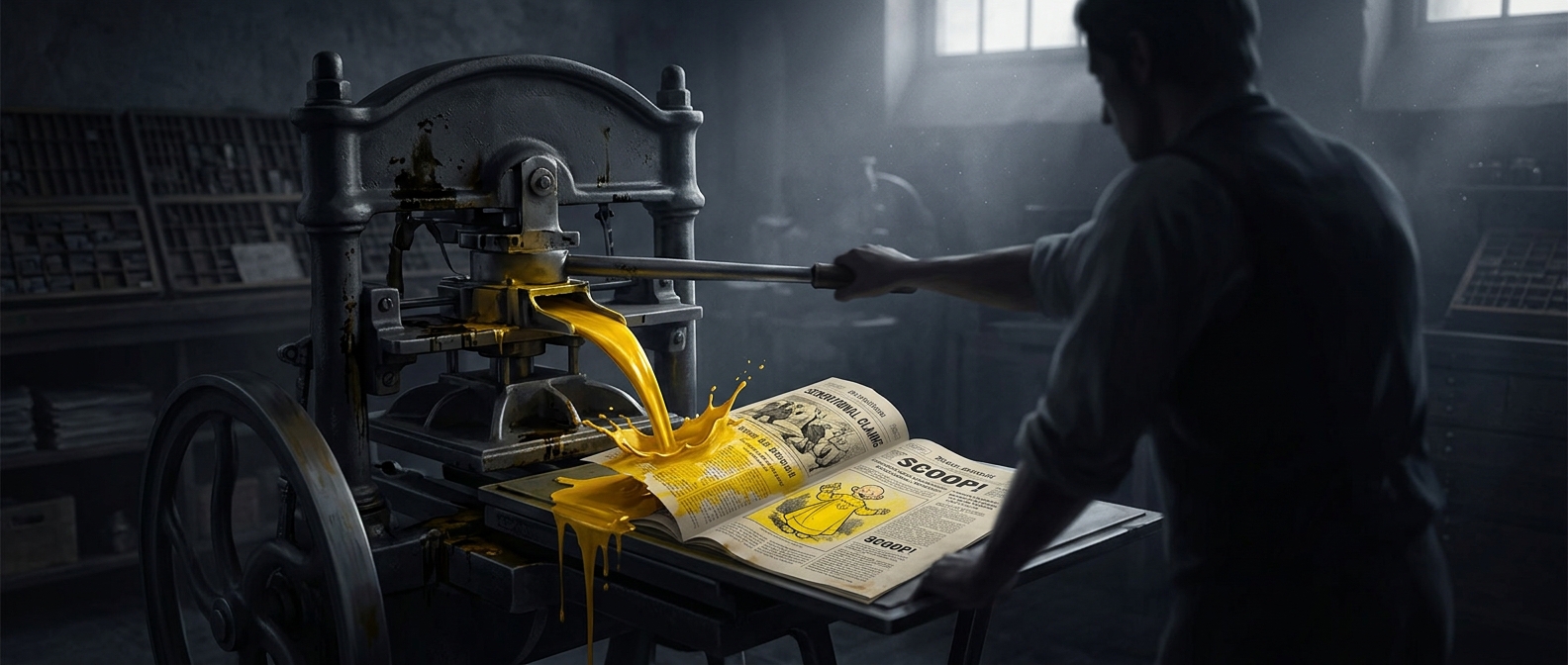
When DeWitt and Lila Wallace launched Reader’s Digest in 1922, its defining idea was not simply to publish short pieces. It was to turn longer articles from other publications into compact versions that readers could finish quickly. Editors selected material, then removed detail and repetition while keeping what they judged to be the central argument or story.
That approach made the magazine different from one that commissioned every piece from scratch. Its editors acted as curators as well as writers: the value lay in finding worthwhile material and reshaping it for a reader with limited time.
Brevity came with editorial choices
Condensing is more than shortening sentences. An editor has to decide which examples, explanations, and qualifications are essential—and which can be cut without changing the point. A compact version is easier to read, but it also reflects the editor’s judgment about what matters most.
The pocket-sized format reinforced that promise. A reader could carry a range of subjects in a small magazine rather than make time for several full-length articles. The format and the editing method worked together: one reduced the physical bulk, while the other reduced the time needed to get through the material.
The result was a publication whose central product was selection plus compression—a way to bring more stories within reach by making each one smaller.