A tiny leather tip controls the cue ball
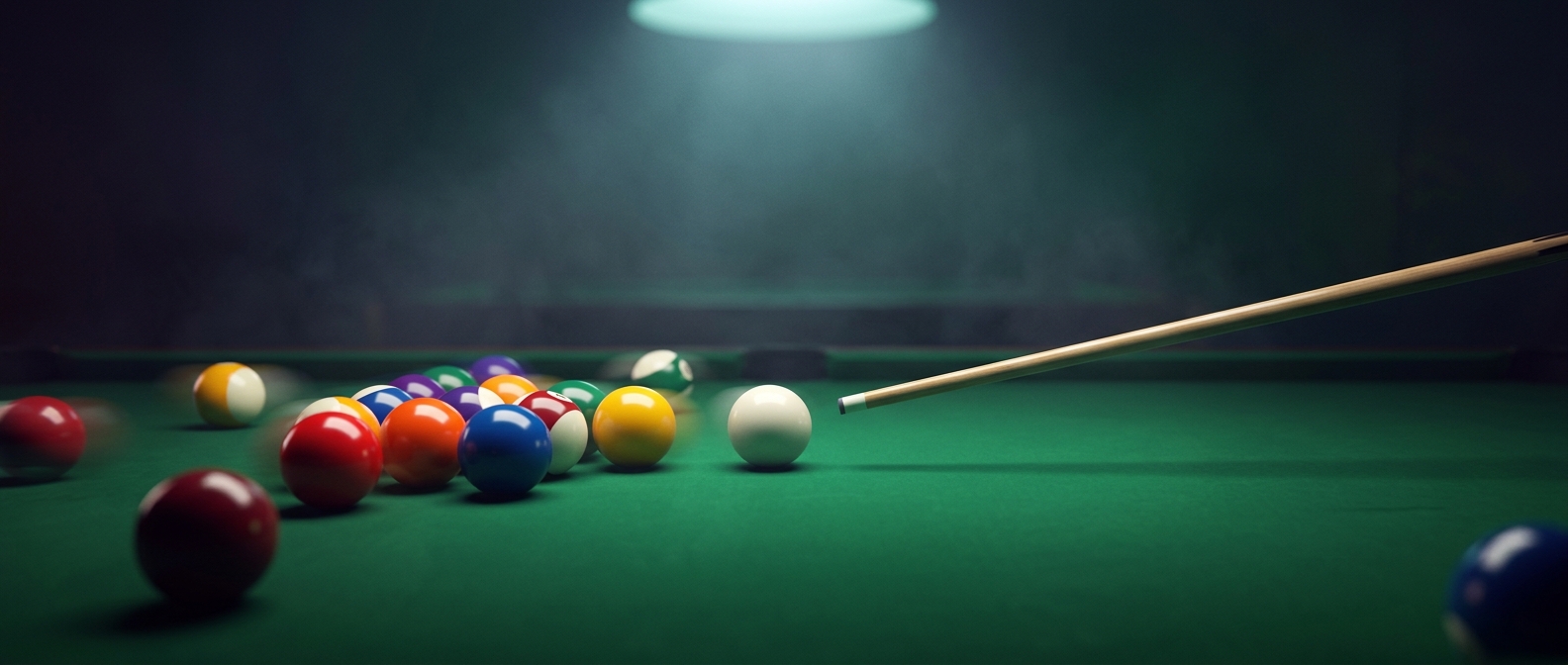
A cue tip has to do more than cushion a collision. When the cue strikes off-center, it must also grip the ball long enough to send it spinning. A hard, smooth surface would tend to slide across the ball; a leather tip compresses slightly on impact, helping maintain contact as the cue pushes sideways as well as forward.
Why leather is layered and shaped
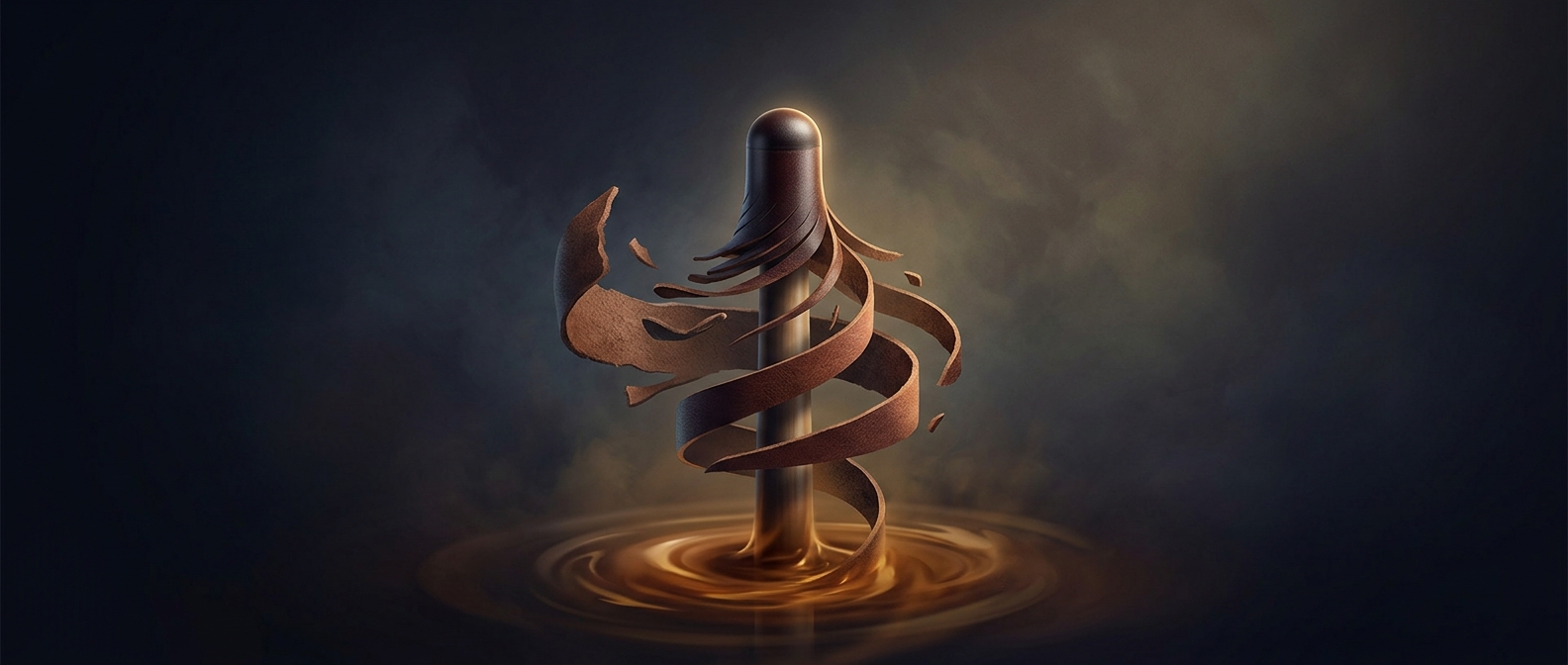
Cue tips are commonly made from pigskin or cowhide, sometimes pressed from several thin layers. Compression makes the leather firm enough to withstand repeated strikes while retaining some give. That balance matters: a tip that is too hard can feel unforgiving, while a softer one deforms more and needs more frequent attention.
The curved tip is shaped so the cue can meet the ball at different points. Striking near the center sends it mostly forward; moving the contact toward an edge adds spin. The tip’s grip makes that off-center hit possible without simply slipping away.
Chalk helps the leather do its job
Players coat the tip with chalk to reduce slipping at contact, especially on off-center shots. The chalk does not replace the leather: the leather supplies the compliant contact surface, while chalk helps it hold the ball. Together, they let a small patch at the end of a cue steer not just where the ball travels, but how it rotates.