Copacabana turned into an open-air arena
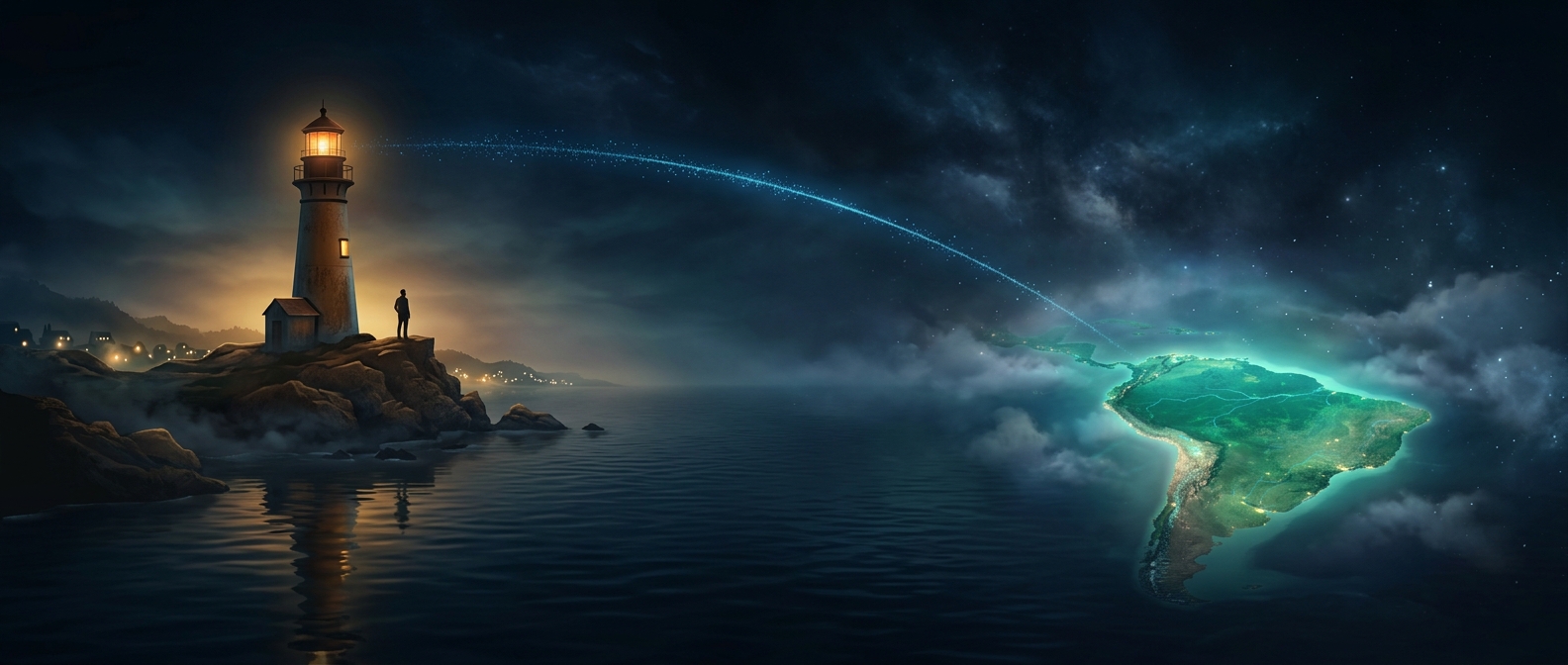
Rio de Janeiro’s Copacabana Beach is more than a strip of sand: its long curve beside a densely built neighborhood gives a huge crowd room to gather while keeping the city close at hand. On New Year’s Eve, the waterfront already draws people for the annual celebration and fireworks. A free concert could become part of that public gathering rather than an event confined to a ticketed venue.
That setting helps explain the scale. There were no arena seats or gates dividing the audience into sections; people could spread along the beachfront and join the celebration. The tradeoff was logistical: organizers had to make a performance work across an unusually broad, open space, where the audience was far larger and less concentrated than at a conventional concert.
A rock song in a citywide celebration
When British rocker Rod Stewart performed “Maggie May” there on New Year’s Eve 1994, the song reached a crowd gathered not just for a show but for a major night on Rio’s waterfront. That mix—an internationally known performer, a public beach and a holiday celebration—made the concert’s scale part of its meaning. It was remembered as the largest free rock concert in history, with the beach itself serving as the venue.